
Drying is one of the most energy-intensive stages in a plywood mill, and in most factories that energy is bought: diesel, coal, gas or electricity converted into heat. Meanwhile, the same mill produces bark at the debarker, chips at the peeler, sawdust at the trim saw and dust at the sander. A biomass veneer dryer closes that loop, burning the factory’s own wood residue to generate the hot air that dries the veneer.
For mills in Indonesia, Vietnam, Thailand and Malaysia, where plantation wood is abundant and waste disposal is a daily cost, the economics can be compelling. This guide explains the fuel options, the specifications to check, a project we delivered in Thailand, and the site conditions that decide whether biomass is the right choice.
Drying Is the Largest Energy Line Item
In a plywood line, the dryer runs continuously, and its energy demand is one of the largest in the plant. The heat source you choose determines both the capital cost and the operating cost for the next ten years.
There are three common routes:
| Fuel route | How heat is generated | What you buy | Best fit |
|---|---|---|---|
| Thermal oil | Oil heated in a boiler, circulated to the dryer | Boiler plus purchased fuel | Mills that already run thermal oil for hot presses |
| Steam | Steam boiler feeding the dryer | Boiler plus purchased fuel | Mills with an existing steam boiler and stable fuel supply |
| Biomass furnace | Wood waste burned directly to produce hot air | Furnace, feeding system and waste handling | Mills with enough bark, chips and sawdust of their own |
The biomass route is not simply “cheaper fuel.” It changes the mill’s cost structure: waste that was a disposal problem becomes an input, and the dryer stops depending on purchased fuel prices.
Our 48 m biomass dryer is specified to run at 140–180 °C, which the product specification notes is 40–60 °C hotter than typical steam or thermal oil dryers. Higher hot-air temperature supports faster drying, which matters when the dryer is the bottleneck in the line.
What the Furnace Burns — and What It Doesn’t
A biomass furnace is flexible, but it is not indiscriminate. The fuel stream has to be reasonably consistent in size and moisture.
Suitable materials include:
- Bark and crushed residue from the debarker
- Wood chips and offcuts from peeling and trimming
- Sawdust from sawing and sanding
- Rice husks, where they are locally available
- Biomass pellets, usually as a backup or blending fuel
What causes problems:
- Oversized material that jams the feed system or burns unevenly
- Stones, sand and metal that wear the burner and handling equipment
- Very wet fuel that reduces combustion efficiency, produces smoke and lowers available heat
- Mixed and inconsistent fuel that makes temperature control harder
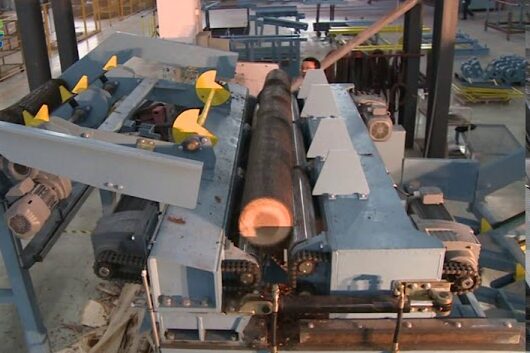
This is why the debarking and crushing stage matters. A debarker with a crushing system and a waste conveyor turns bark into a manageable fuel stream instead of a pile that has to be handled manually. If your mill already has that equipment, the marginal cost of feeding the furnace is low. If it does not, the fuel handling system belongs in the project budget.
The acceptable fuel size and moisture range for a specific furnace should be confirmed with our engineers before you commit to a waste-handling layout. To be confirmed for your fuel mix.
What a Biomass Veneer Dryer Looks Like in Practice
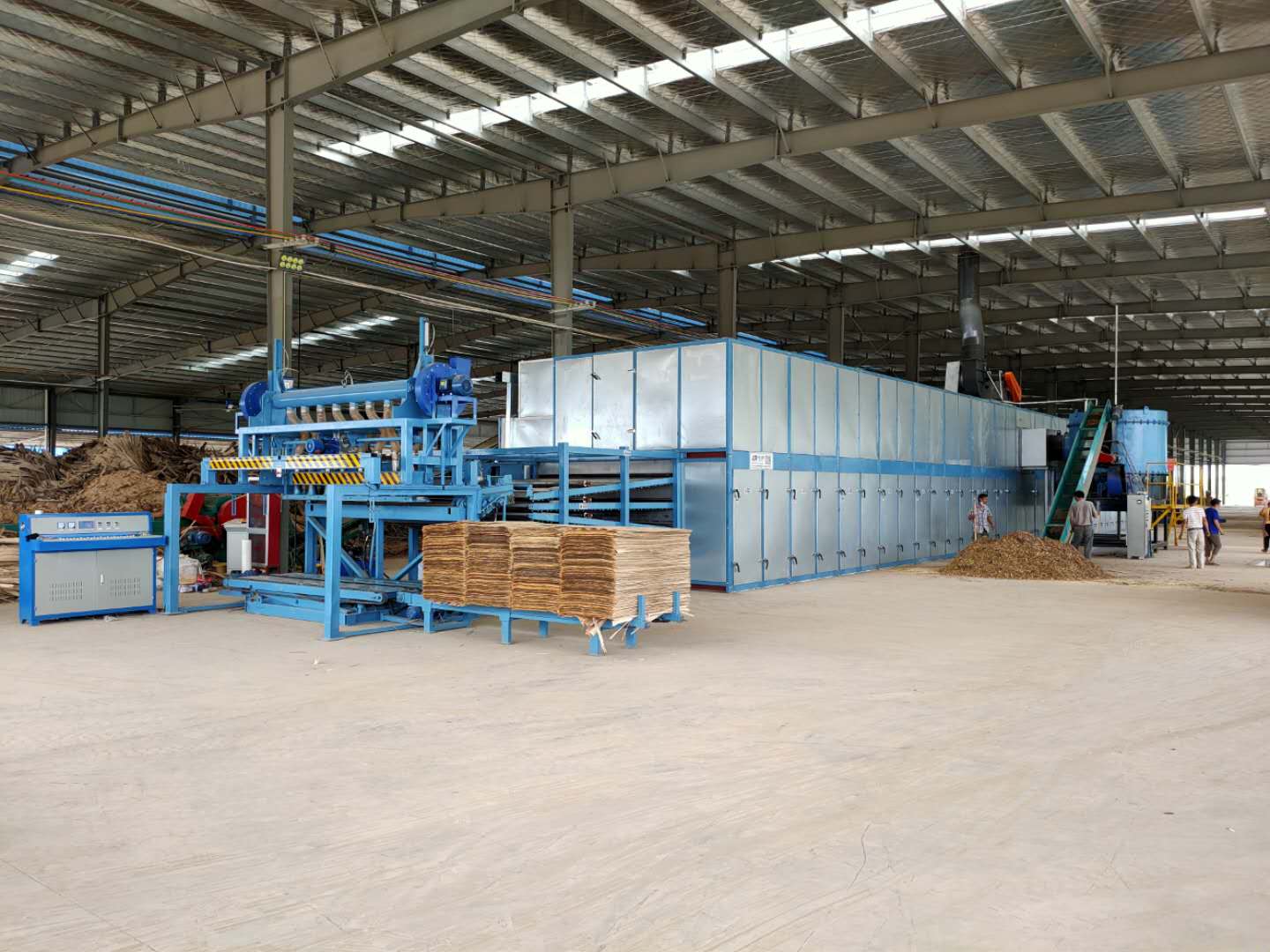
Our 48 m double-deck dryer with a wood-burning furnace is a useful reference point because it shows what the numbers look like on a real specification sheet.
| Parameter | Specification |
|---|---|
| Working width | 3000 mm |
| Decks | 2 |
| Veneer size | 4 × 8 ft and 2 × 4 ft |
| Veneer thickness | 1.6 mm (reference) |
| Moisture reduction | About 50% down to 8–12% |
| Drying capacity | 2.5–3 m³/h |
| Heating section | 44 m |
| Cooling section | 4 m |
| Overall dimensions | About 53 × 9 × 3 m |
| Weight | About 100 t |
| Roller | Q235B, Ø89 mm steel pipe, 3 mm wall, 180 mm spacing |
| Transport speed | 5–22 m/min, 16A chain |
| Drying temperature | 140–180 °C, adjustable |
| Heat source | Waste wood biomass furnace |
| Burner | 6-ton biomass burner, 16.5 kW |
| Hot air blowers | 5.5 kW × 11 |
| Traction motors | 7.5 kW × 2, frequency controlled |
| Cold air blower | 5.5 kW × 1 |
| Air intake fans | 11 kW × 2 |
| Total installed power | 119.5 kW |
| Actual electricity consumption | About 80 kWh/h |
| Listed thermal efficiency | 75–85% |
The insulation details matter as much as the burner. Side panels are 60 mm thick with aluminum silicate blanket behind galvanized sheet, and the top panels are 75 mm with rock wool composite board. On a dryer that runs continuously, heat lost through the shell is paid for every hour.
The control system adjusts running speed and drying temperature according to veneer thickness and moisture. That is the difference between a furnace that produces heat and a drying line that produces consistent veneer.
Two Decks vs Four Layers: Which Configuration Fits?
The 48 m biomass dryer uses two decks. Our thermal oil and steam roller dryer uses four layers. Neither is universally better; they solve different problems.
| Specifications | 48 m biomass, 2 decks | Four-layer roller dryer |
|---|---|---|
| Heat source | Wood waste furnace | Thermal oil or steam |
| Drying temperature | 140–180 °C | 150 °C |
| Capacity (reference) | 2.5–3 m³/h at 1.6 mm eucalyptus | 6 m³/h at 1.0–4.0 mm |
| Installed power | 119.5 kW | 247.5 kW |
| Moisture target | 8–12% from about 50% | 10% (±2%) from 50–60% |
| Best fit | Mills with abundant waste wood and moderate output | High-output lines with boiler infrastructure |
The two-deck biomass line wins when fuel is free or cheap and the target output is moderate. The four-layer line wins when output is the priority and thermal oil or steam is already available.
Case Study: Rubberwood and Eucalyptus in Thailand
A Thai wood processing company peels and dries rubberwood and eucalyptus veneer. As output grew, its existing drying system could not hold moisture consistently, and energy costs were rising. The company wanted to use its own waste wood as fuel rather than depend on a conventional boiler.
| Requirement | Solution |
|---|---|
| Initial moisture around 50%, target around 10% | 38 m double-deck roller veneer dryer |
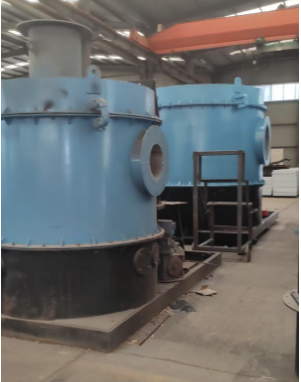
| Use the factory’s own waste wood | 2 m wood-burning furnace replacing the conventional boiler |
| Stable, continuous production | Automatic temperature control and speed regulation |
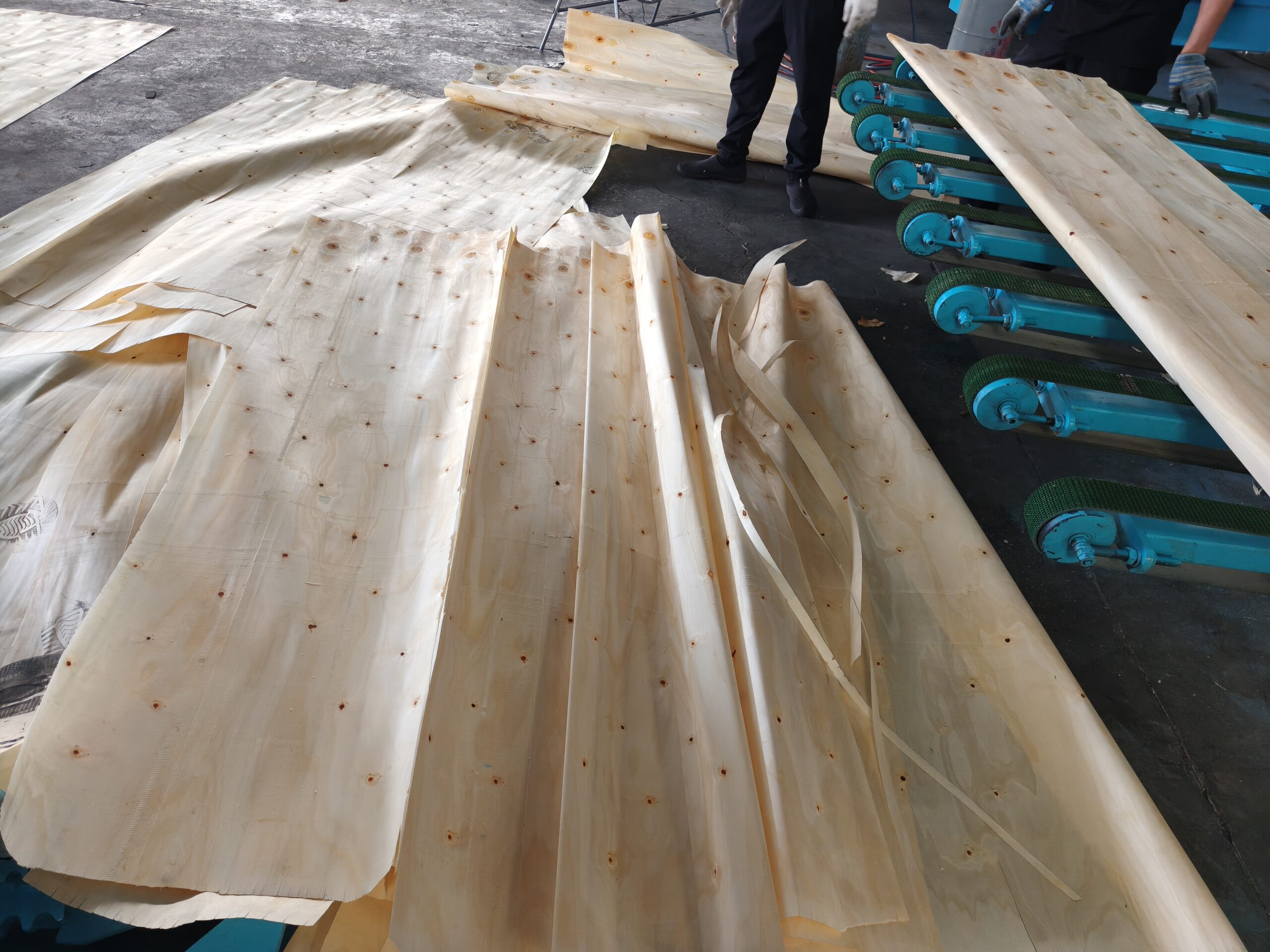
The equipment was manufactured in two months and installed and commissioned in 30 days. In operation, moisture content held close to the 10% target with minimal variation between batches, and the common problems of jamming, over-drying, cracking and edge curling did not appear. The biomass furnace replaced diesel and coal-fired boiler fuel and recycled the plant’s own wood residue.
Results depend on species, veneer thickness, fuel quality and operating discipline, so the numbers above describe this project rather than a guaranteed outcome for every mill.
What to Prepare Before You Commit
A biomass drying project is as much a fuel-handling project as a dryer purchase. Six items should be settled before the order:
- Fuel volume. How many tonnes of bark, chips and sawdust does your mill produce per day, and how much of that is already committed elsewhere?
- Fuel storage. Covered storage keeps rain out and stabilizes moisture. An open pile that soaks during the rainy season will not burn consistently.
- Crushing and conveying. Oversized bark needs crushing, and the fuel needs a reliable path to the furnace.
- Space and foundation. The 48 m unit occupies roughly 53 × 9 × 3 m and weighs about 100 t. Plan the dryer, fuel yard and conveyor route together.
- Power supply. 119.5 kW installed power and about 80 kWh/h actual consumption are the reference figures; confirm your supply and voltage options with our engineers.
- Fire, emissions and permits. Biomass combustion requires proper fire protection and compliance with local emissions rules. The applicable standards and permit requirements are to be confirmed with your local authority and insurer.
When Biomass Does Not Make Sense
Biomass is not automatically the lowest-cost option. It is worth reconsidering if:
- Your mill produces too little waste and would have to buy most of its fuel
- You have no covered space for fuel storage and no room for a fuel yard
- Your waste supply is seasonal or inconsistent in quality
- Local emissions rules make solid-fuel combustion difficult to permit
- Your output target requires the higher capacity of a four-layer thermal oil or steam line
The decision should be made on total cost per cubic meter of dried veneer, not on fuel price alone.
Frequently Asked Questions
How much fuel does the system use?
Fuel consumption depends on the moisture of the fuel, the moisture of the incoming veneer, veneer thickness and target output. The published specification gives electricity consumption of about 80 kWh/h for the 48 m unit, but the biomass fuel rate for your mill is to be confirmed by our engineers.
Can the furnace burn wet bark directly?
It can burn higher-moisture fuel, but efficiency drops and combustion becomes less stable. Covered storage and consistent fuel preparation are recommended. The acceptable moisture range for a specific furnace should be confirmed before the fuel yard is designed.
What is the difference between a biomass dryer and a thermal oil dryer?
A thermal oil dryer uses a boiler to heat oil, which then heats air for the dryer. A biomass dryer burns wood waste directly to produce hot air, normally at 140–180 °C. The biomass route avoids purchased fuel and the boiler, but requires a reliable waste stream and fuel handling.
What capacity can the system reach?
The 48 m double-deck model is specified at 2.5–3 m³/h for 1.6 mm eucalyptus veneer. The 38 m unit in the Thailand project was sized for that customer’s output. Capacity for your species and thickness must be calculated rather than assumed.
Is biomass drying suitable for rubberwood and eucalyptus?
Yes. The 48 m model is specified for eucalyptus veneer, and the Thailand project dried both rubberwood and eucalyptus. Species affects drying temperature, residence time and final moisture target, so the settings have to be matched to your material.
Next Step: Size the Dryer Around Your Waste Stream
The right biomass veneer dryer is sized from three numbers: how much wet veneer you produce per hour, how much waste wood your mill generates per day, and the final moisture your adhesive requires. Send us those figures along with your species and veneer thickness, and our engineers will recommend the dryer length, deck configuration, burner size and fuel handling arrangement, usually within 48 hours.
Review our biomass drying systems here: www.guoyumachine.com/product-category/plywood-making-machine/veneer-dryer