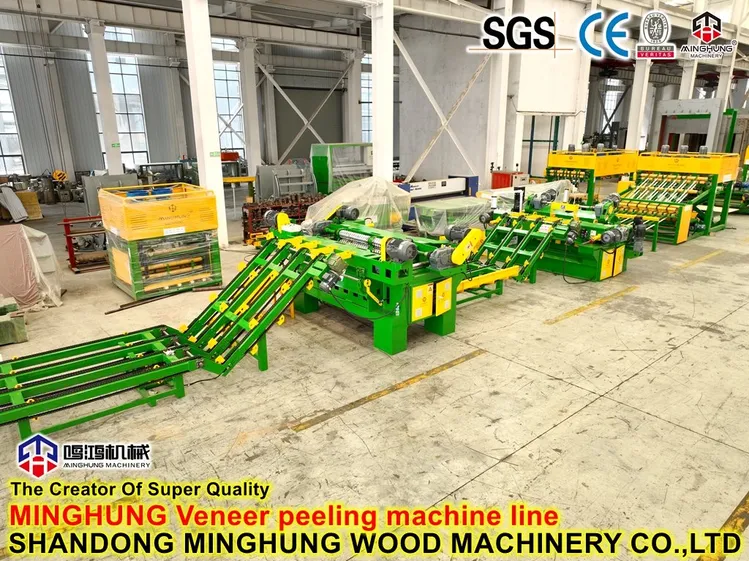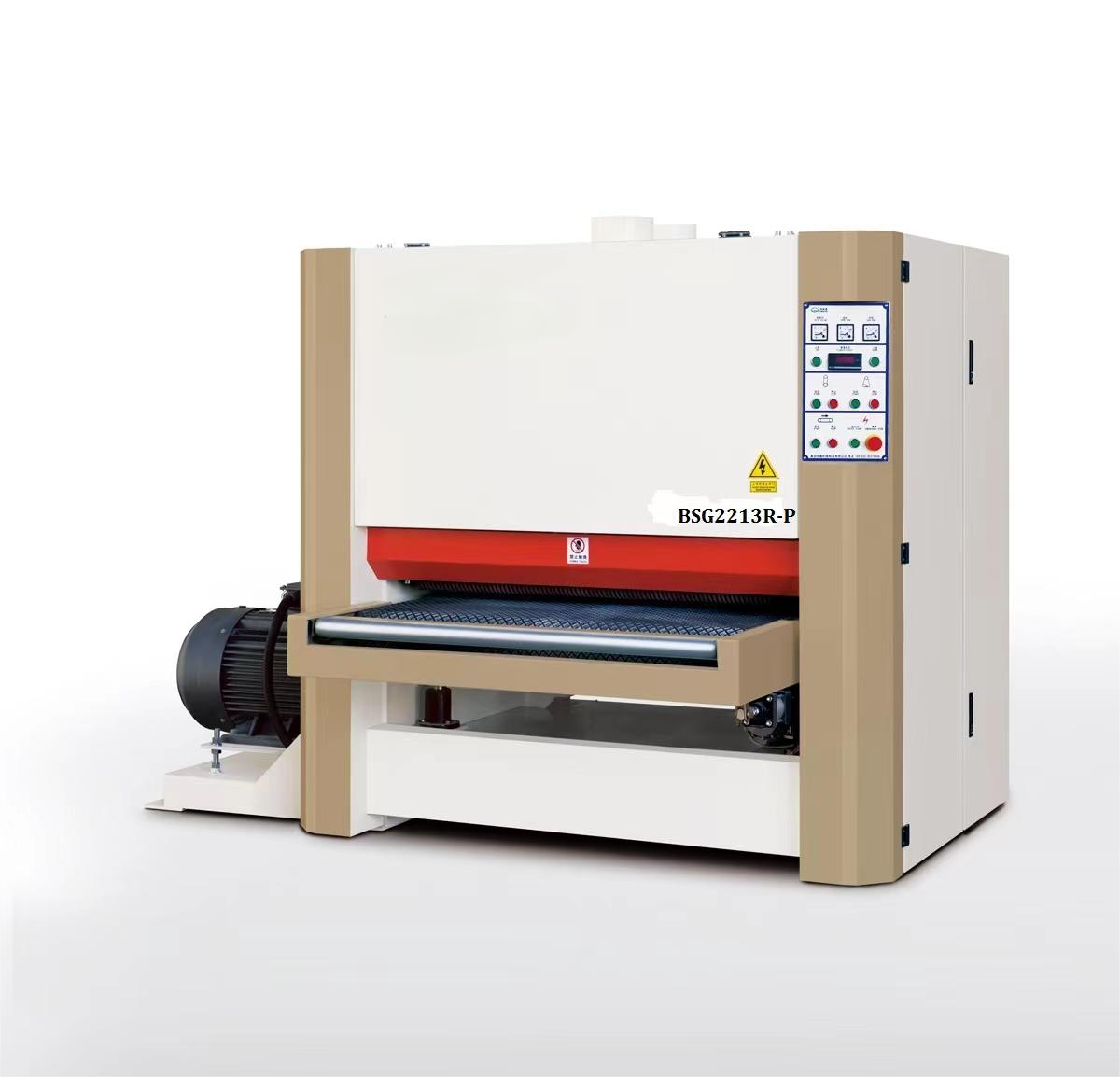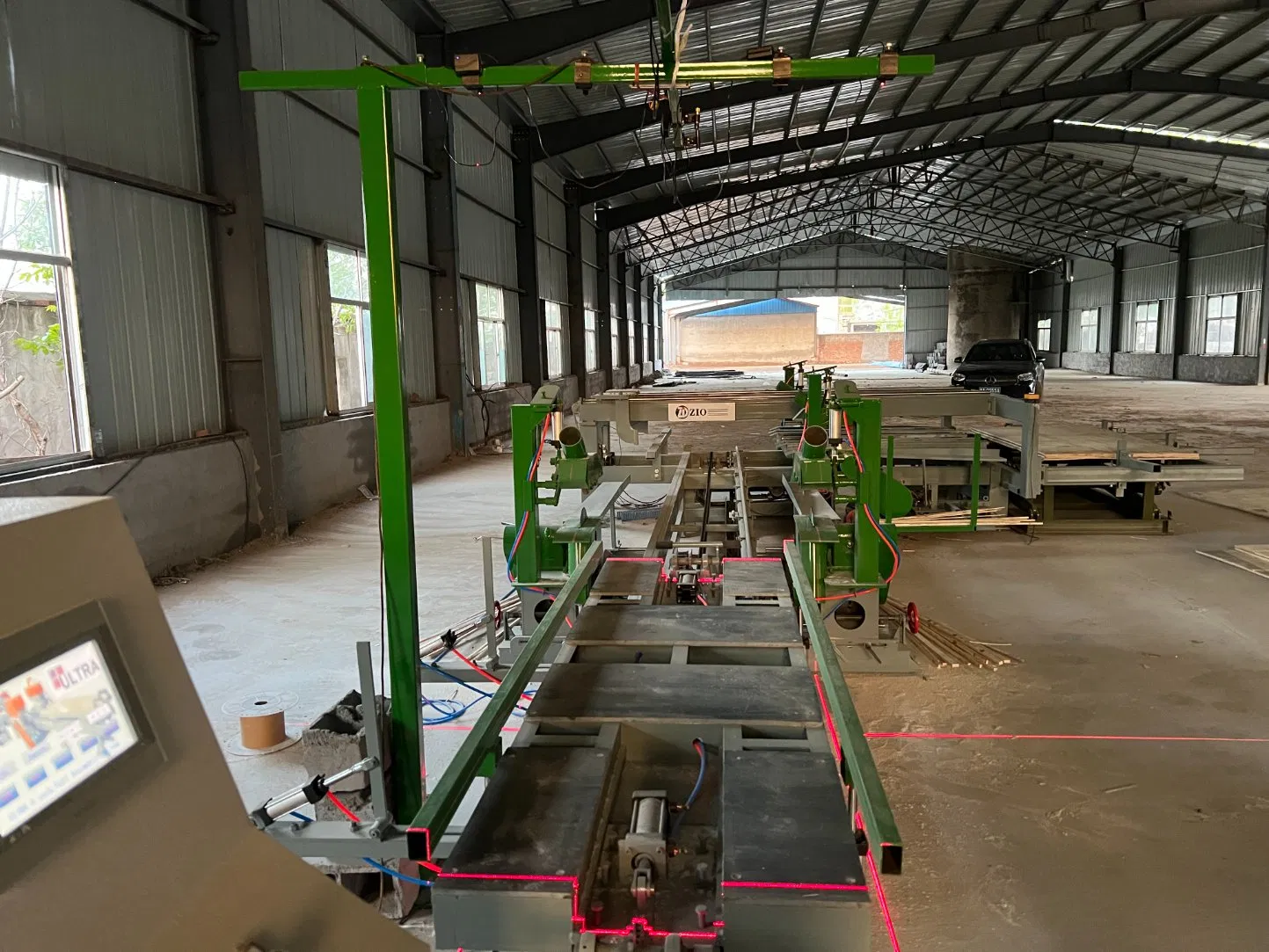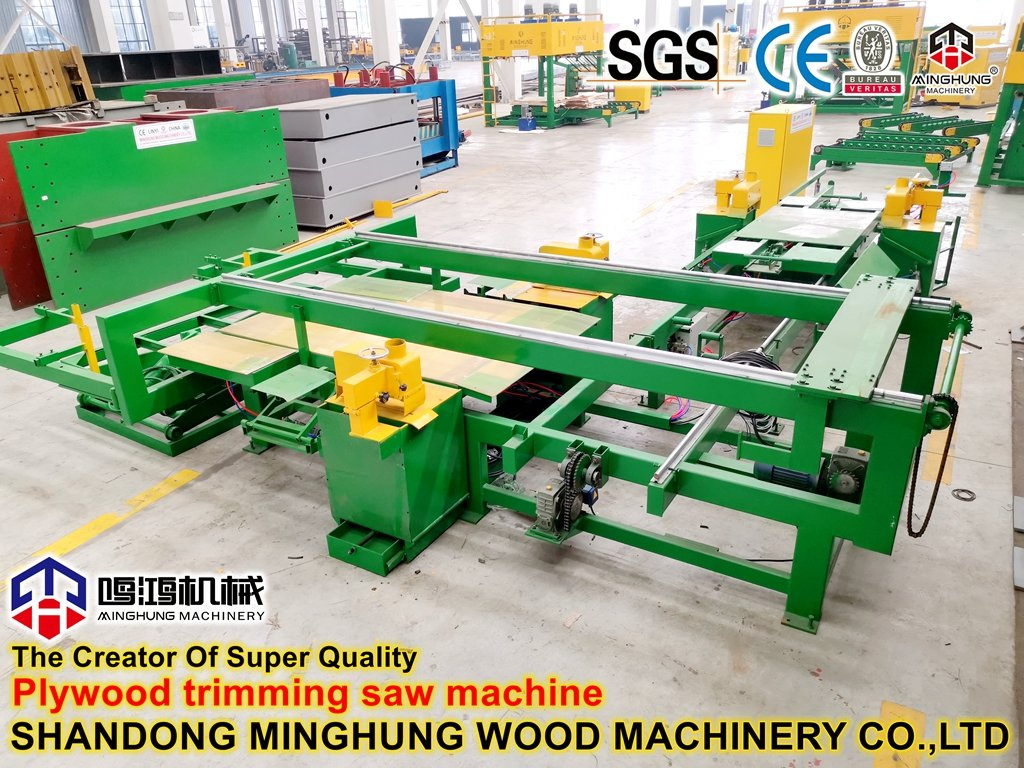

In today’s competitive plywood production landscape, selecting the right machinery is critical to maximizing efficiency, ensuring long-term durability, and maintaining cost-effective operations. As global demand for high-quality engineered wood continues to rise, Chinese manufacturing has emerged as a powerhouse—delivering advanced, precision-engineered solutions at scale. This 2026 review highlights the top 10 plywood mill machine manufacturers renowned for innovation, reliability, and performance, offering sourcing professionals key insights into suppliers that combine cutting-edge technology with proven operational resilience.
أفضل 10 شركات مصنعة لآلات تصنيع الخشب الرقائقي (مراجعة 2026)
(مرتبة حسب القدرة التقنية والسمعة في السوق)




Professional Buying Guide: Plywood Mill Machinery
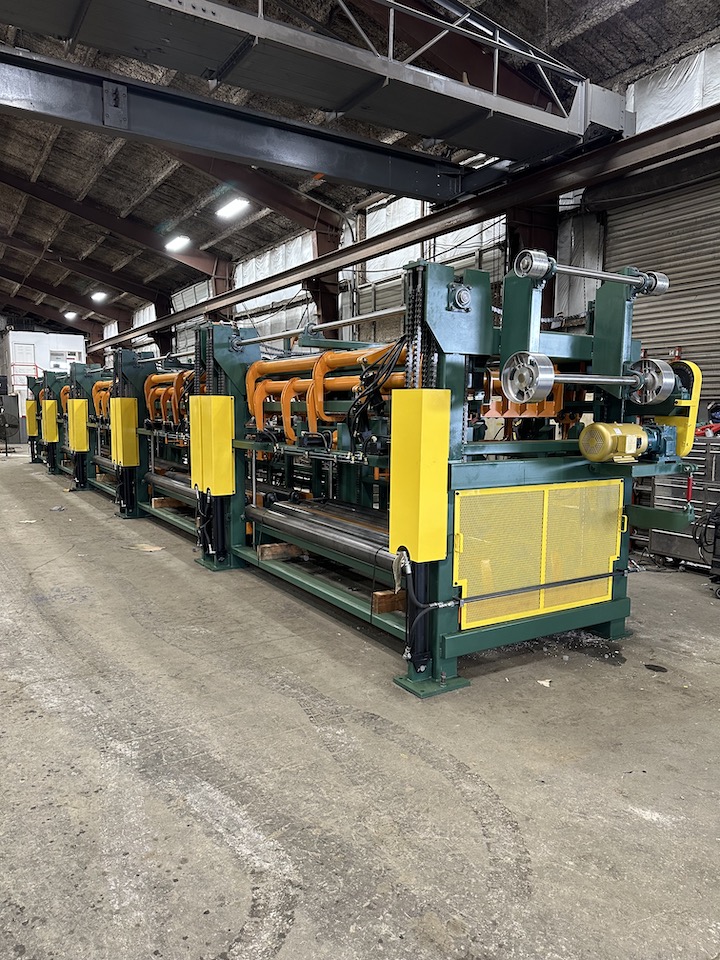
2026 Global Market Trends for Plywood Mills: Automation, Efficiency, Speed, and Labor Costs
The global plywood mill industry is poised for significant transformation by 2026, driven by intense competition, rising operational costs, and evolving customer demands. Key trends centering on Automation, Energy Efficiency, High-Speed Production, and Labor Cost Reduction are converging to reshape manufacturing strategies and competitive landscapes.
Automation: The Cornerstone of Modern Mills
By 2026, automation will be a non-negotiable standard for competitive plywood mills. The trend is moving beyond basic robotic stacking towards fully integrated, intelligent systems:
* التكامل الشامل: Mills are investing in seamless automation linking log yards (automated log positioning, scanning) through veneer sorting, glue spreading, lay-up, pressing (automated loading/unloading), and final grading/packaging. This minimizes human intervention and bottlenecks.
* الذكاء الاصطناعي والتعلم الآلي: Predictive maintenance systems will use AI to analyze sensor data from machinery (presses, dryers, sanders) to forecast failures, optimizing maintenance schedules and reducing unplanned downtime. AI-driven quality control systems will use machine vision for real-time defect detection with higher accuracy than human inspectors.
* Digital Twins: Simulation of entire production lines using digital twin technology will become common for optimizing processes, testing new configurations virtually, and training operators, leading to faster ramp-ups and improved efficiency.
* التأثير: Automation directly enhances consistency, reduces waste (especially from human error), improves safety, and enables 24/7 operation. Mills without significant automation investments will face severe disadvantages in quality, cost, and throughput.
Energy Efficiency: A Critical Cost and Sustainability Imperative
Energy, particularly for veneer drying and pressing, is a major cost center. By 2026, energy efficiency will be paramount for both profitability and meeting stricter environmental regulations and ESG (Environmental, Social, Governance) goals:
* تقنيات التجفيف المتقدمة: Adoption of highly efficient heat recovery systems (recapturing waste heat from exhaust air), optimized burner controls, and potentially hybrid drying systems (e.g., combining traditional thermal with emerging microwave or radio frequency drying) will be widespread. Precise moisture content control reduces over-drying.
* Press Efficiency: Optimizing press cycle times, improving insulation, and utilizing waste wood biomass (bark, trimmings) as a renewable fuel source for on-site energy generation (boilers, CHP – Combined Heat and Power) will be standard practice in large mills. Electric presses, though currently niche, may see pilot adoption.
* التحسين على نطاق النظام: Integrated energy management systems (EMS) will monitor and optimize energy consumption across all processes in real-time, identifying inefficiencies.
* التأثير: Significant reductions in specific energy consumption (kWh/m³ or kWh/ton) will be a key performance indicator. Mills failing to improve efficiency will face rising operational costs and potential carbon pricing penalties.
High-Speed Production: Driving Throughput and Competitiveness
Meeting growing global demand, particularly in construction and packaging, requires maximizing output from existing assets. High-speed production is the direct response:
* Faster Presses and Lines: Next-generation hot presses with rapid opening/closing mechanisms, advanced hydraulic systems, and optimized temperature control will enable shorter cycle times without compromising bond quality. Conveyor systems throughout the line (grading, sanding, sorting) will operate at higher speeds.
* Reduced Changeover Times: Automated tooling change systems and standardized processes will minimize downtime between product runs (different thicknesses, grades, adhesives).
* Optimized Material Flow: Automated guided vehicles (AGVs) and sophisticated warehouse management systems (WMS) will ensure raw materials (veneers, adhesives, cores) and finished goods move seamlessly, preventing line stoppages.
* التأثير: Higher line speeds directly translate to increased annual production capacity without requiring massive capital expenditure on new lines. This is crucial for mills to capture market share and respond to fluctuating demand.
Labor Cost Reduction: Beyond Simple Headcount Cutting
While rising wages in key producing regions (e.g., Southeast Asia, Eastern Europe) pressure margins, the focus by 2026 will shift from mere headcount reduction to optimizing the value و cost of human labor:
* Strategic Workforce Transformation: Automation replaces repetitive, physically demanding, or hazardous tasks (e.g., manual stacking, press handling, sanding). The workforce evolves towards roles requiring higher skills: machine operators overseeing automated systems, maintenance technicians for complex robotics, data analysts for process optimization, and quality control specialists managing AI systems.
* Reduced Physical Burden and Injury: Automation significantly reduces worker exposure to noise, dust, heat, and heavy lifting, leading to lower injury rates, reduced absenteeism, and lower insurance costs.
* Focus on Upskilling: Investment in training programs for the existing workforce to manage and maintain advanced automation and data systems becomes essential, improving retention and productivity.
* التأثير: While direct labor headcount per unit of output will decrease significantly, the nature of labor changes. The primary cost reduction comes from eliminating high-turnover, injury-prone jobs and minimizing expensive downtime caused by human error or fatigue. Attracting and retaining skilled technical staff remains a challenge.
Conclusion: The Integrated Future
By 2026, the most successful plywood mills will not implement these trends in isolation but as an integrated strategy. Automation enables high-speed production and consistent quality, which reduces waste and energy per unit. Energy efficiency lowers the largest variable cost. Both automation and speed drastically reduce the need for direct manual labor on the production floor. The convergence of these trends will lead to smarter, leaner, more resilient, and significantly more competitive plywood manufacturing operations. Mills that proactively invest in this integrated transformation will secure market leadership, while laggards risk obsolescence.
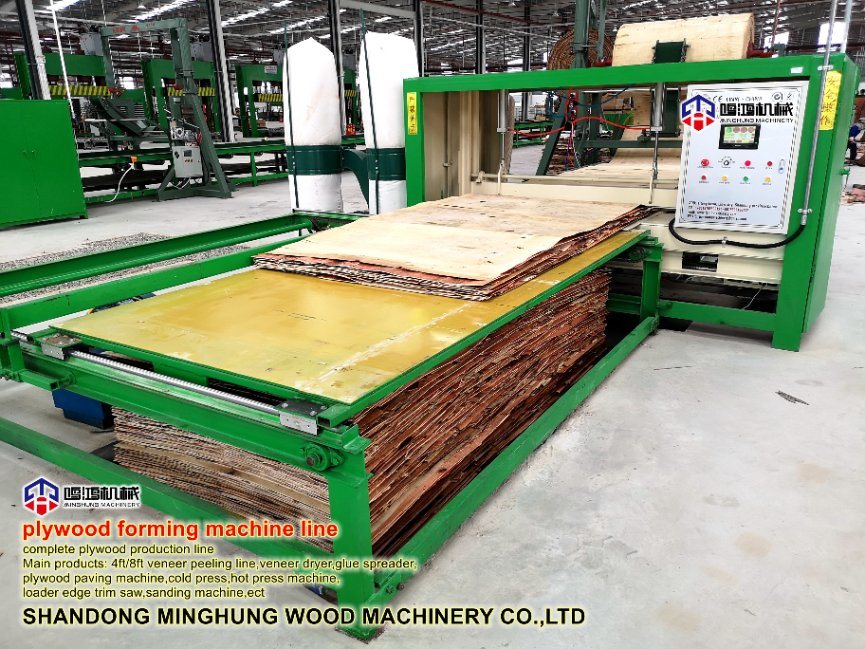
Key Evaluation Criteria for a High-Quality Plywood Mill
When assessing the quality and reliability of a plywood mill, several critical technical and operational factors must be thoroughly examined. The following check points are essential in determining the mill’s long-term performance, efficiency, and maintenance feasibility.
متانة الهيكل الفولاذي
The structural integrity of the mill’s steel framework is fundamental to its operational stability and longevity. Evaluate the following:
- Material Grade: Confirm the use of high-tensile, corrosion-resistant steel (e.g., Q345 or equivalent) suitable for heavy industrial loads.
- Fabrication Quality: Inspect weld quality, surface treatment (e.g., sandblasting and anti-rust coating), and structural rigidity to ensure resistance to vibration and thermal stress.
- Design Compliance: Verify that the design adheres to recognized engineering standards (e.g., ISO or ASTM) and is engineered to withstand continuous operation under load.
A robust steel structure minimizes downtime due to deformation or fatigue and supports precise alignment of critical components.
العلامة التجارية للمحرك وأدائه (على سبيل المثال، Siemens، Mitsubishi)
The motors drive key processes such as hot press movement, veneer feed, and conveyors. Their reliability directly affects production consistency.
- سمعة العلامة التجارية: Prioritize mills equipped with motors from globally recognized manufacturers like Siemens, Mitsubishi, ABB, or SEW. These brands offer proven durability, energy efficiency, and low failure rates.
- مواصفات المحرك: Check for appropriate power ratings, IP protection levels (e.g., IP55 for dust and moisture resistance), and variable frequency drive (VFD) compatibility.
- Thermal and Load Management: Ensure motors are designed for continuous 24/7 operation under industrial conditions, with adequate cooling and overload protection.
Using premium-brand motors reduces maintenance costs and enhances process control and uptime.
نظام التحكم PLC
The PLC (Programmable Logic Controller) system governs automation, monitoring, and operational precision across the mill.
- PLC Brand and Model: Leading systems from Siemens (S7 series), Mitsubishi (FX/Q Series), or Allen-Bradley offer reliable performance, robust software support, and scalability.
- واجهة المستخدم (HMI): Evaluate the clarity, responsiveness, and language support of the touch-screen interface. It should allow easy monitoring, parameter adjustment, and fault diagnostics.
- System Integration: Confirm seamless integration with sensors, drives, and safety interlocks. The PLC should support data logging, remote diagnostics, and future upgrades.
- Redundancy and Safety: Check for fail-safe programming, emergency stop integration, and backup capabilities.
A high-quality PLC system enhances operational efficiency, reduces human error, and enables predictive maintenance.
توافر قطع الغيار
Timely access to spare parts is crucial for minimizing unplanned downtime and ensuring long-term operability.
- دعم الشركة المصنعة: Evaluate the supplier’s global or regional service network, including stocked spare parts and technical support response time.
- Commonality and Standardization: Prefer mills that use standardized components (e.g., bearings, seals, actuators) from widely available brands, reducing dependency on proprietary parts.
- Documentation and Inventory List: Request a complete spare parts list with part numbers, recommended stock levels, and suppliers.
- Local Distributor Presence: Verify whether key component brands (e.g., Siemens, Mitsubishi) have local distributors or service centers in your region for fast replacements.
A transparent and accessible spare parts supply chain ensures sustainable mill operation and reduces total cost of ownership.
By carefully evaluating these four pillars—Steel Structure Durability, Motor Brand, PLC Control System, and Spare Parts Availability—you can confidently identify a high-quality, reliable plywood mill built for long-term productivity and minimal operational disruption.
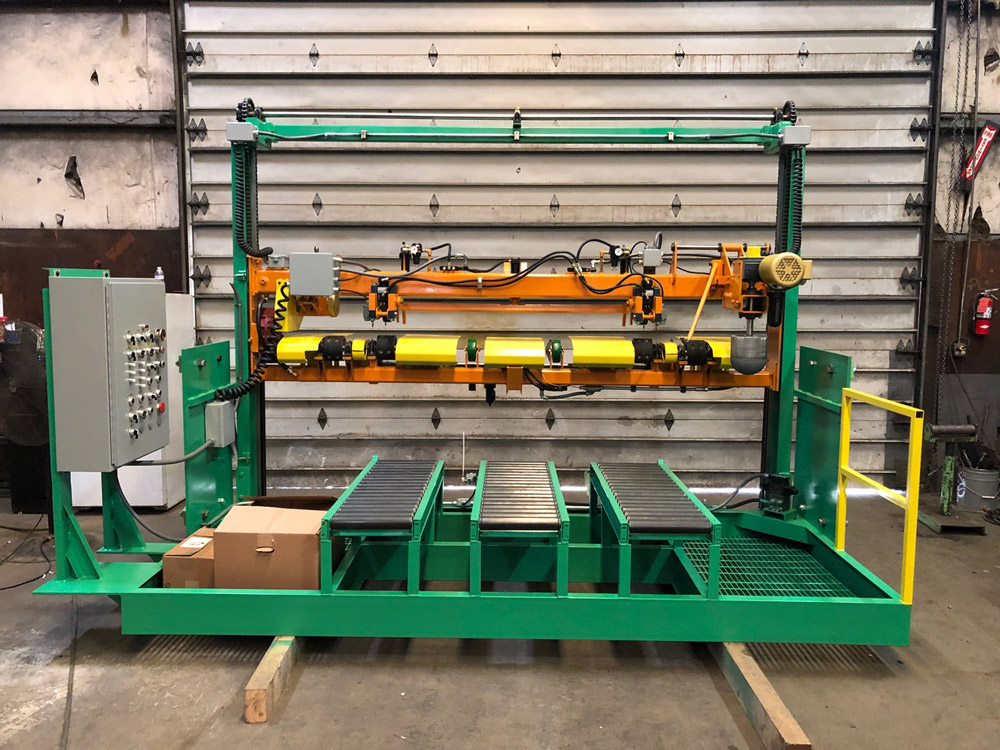
Guide for Importing a Plywood Mill from China: Key Considerations
متطلبات الجهد الكهربائي (380 فولت/220 فولت)
When importing a plywood mill from China, it is crucial to verify the machine’s electrical specifications to ensure compatibility with your local power supply. Most industrial plywood machinery from China is manufactured for 380V three-phase power, which is standard in Chinese industrial zones. However, some smaller or customized models may be built for 220V single-phase power.
- تأكيد احتياجات الجهد الكهربائي: Before placing an order, clearly communicate your facility’s available voltage (380V or 220V) to the supplier.
- Transformer Compatibility: If your site uses a different voltage (e.g., 440V or 208V), confirm whether the machine can operate with a transformer or if a voltage conversion unit is required.
- Frequency Check: Chinese machinery typically runs on 50Hz, while many countries use 60Hz. Ensure frequency compatibility or request a dual-frequency motor if needed.
- Electrical Documentation: Request detailed electrical schematics and compliance certificates (e.g., CE, ISO) to verify safe integration into your power system.
دعم التثبيت
Proper installation is critical for the performance and safety of your plywood mill. Understand what installation services the Chinese supplier provides:
- On-Site Technician Availability: Inquire if the supplier offers dispatch of an engineer or technician for on-site installation, machine calibration, and operator training. This may incur additional costs but is highly recommended for complex systems.
- الدعم عن بعد: Confirm whether installation guidance is available via video call, manuals, or augmented reality tools, especially if on-site service is not feasible.
- متطلبات ما قبل التثبيت: Obtain a checklist from the supplier detailing foundation requirements, space clearance, power connections, and ventilation needs.
- Local Contractor Coordination: If the supplier does not offer on-site support, ensure you have access to a qualified industrial machinery installer familiar with woodworking equipment.
شروط الضمان
Warranty coverage varies significantly among Chinese manufacturers. Clarify the following before finalizing your purchase:
- مدة الضمان: Typical warranties range from 12 to 24 months for core machinery components. Verify what is covered (e.g., motors, gearboxes, control systems).
- Scope of Coverage: Determine whether the warranty includes parts, labor, and shipping for replacements. Note that consumables (e.g., blades, belts) are often excluded.
- عملية المطالبة: Understand the procedure for filing warranty claims—whether parts are shipped directly or require return to China.
- الاستثناءات: Be aware of conditions that void the warranty, such as improper installation, unauthorized modifications, or use of non-approved spare parts.
- خيارات الضمان الممتد: Ask if extended warranty packages are available for purchase.
مجموعة قطع غيار الشفرات والأجزاء
To minimize downtime, it is advisable to order spare parts along with your plywood mill:
- Initial Spare Kit: Request a comprehensive spare parts kit that includes high-wear components such as cutting blades, pressure rollers, belts, bearings, and electrical fuses.
- توافق الشفرة: Confirm blade specifications (size, material, tooth configuration) and whether standard or proprietary blades are used. Stock up on blades tailored to your plywood thickness and feed rate.
- توافر طويل الأمد: Ensure the supplier guarantees long-term availability of spare parts and provides a parts catalog with clear part numbers.
- التخزين المحلي: Consider purchasing a 1–2 year supply of critical consumables to avoid delays in international shipping.
- Third-Party Alternatives: Investigate whether generic or locally sourced replacement parts are compatible to reduce dependency on the original supplier.
By addressing voltage compatibility, securing reliable installation support, understanding warranty terms, and stocking essential spare parts, you can ensure a smooth and efficient integration of your imported plywood mill into your production workflow.
In conclusion, sourcing plywood mill machinery from China can offer significant cost advantages and access to advanced manufacturing technology. However, to ensure long-term reliability, safety, and compliance, it is crucial to verify that all equipment carries valid CE certification, confirming that it meets European health, safety, and environmental protection standards. Additionally, arranging for thorough on-site testing of the machinery prior to shipment is essential to validate performance, functionality, and alignment with operational requirements. These steps not only minimize the risk of receiving substandard or non-compliant equipment but also help safeguard production timelines and investment. By prioritizing certified, tested machinery, buyers can achieve a balance between competitive pricing and operational excellence in their plywood manufacturing operations.