
As demand for high-quality veneer processing continues to rise, sourcing reliable drying solutions has become pivotal for wood product manufacturers. In this 2026 review, we spotlight the top six veneer dryer machine manufacturers renowned for combining efficiency, durability, and advanced engineering. With Chinese manufacturing at the forefront of industrial innovation, these suppliers exemplify how precision, cost-effectiveness, and scalable production converge to meet global industry standards. Explore the leaders shaping the future of veneer drying technology.
أفضل 6 شركات مصنعة لآلات تجفيف القشرة الخشبية (مراجعة 2026)
(مرتبة حسب القدرة التقنية والسمعة في السوق)

Professional Buying Guide: Veneer Dryer Machinery
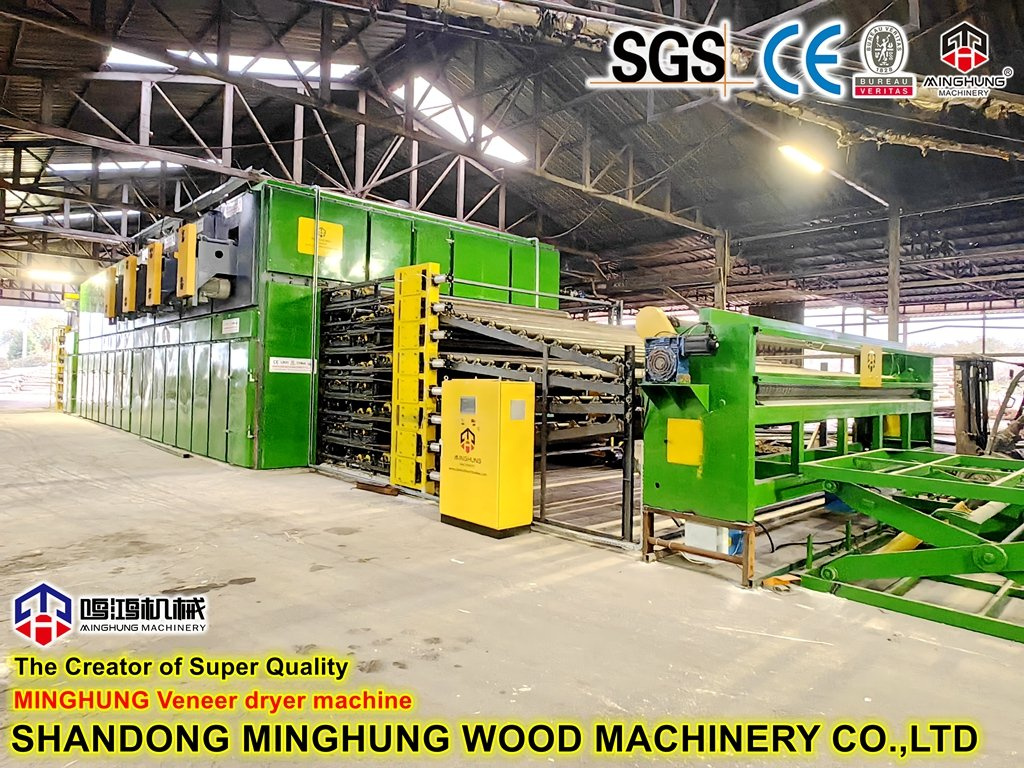
2026 Global Market Trends for Veneer Dryer: Focus on Automation, Energy Efficiency, High-Speed Production, and Labor Cost Reduction
Automation in Veneer Drying Systems
By 2026, automation is poised to be a cornerstone of innovation in the global veneer dryer market. Manufacturers are increasingly integrating advanced control systems, such as programmable logic controllers (PLCs), artificial intelligence (AI), and machine learning algorithms, to optimize drying parameters in real time. Automated loading and unloading systems, combined with robotic handling, reduce human intervention and improve process consistency. These technologies not only enhance product quality by minimizing defects such as warping and cracking but also allow for seamless integration with upstream and downstream processes in veneer production lines. The adoption of Internet of Things (IoT) sensors enables remote monitoring and predictive maintenance, reducing downtime and extending equipment lifespan. As a result, fully automated drying systems are becoming a competitive differentiator, particularly in high-volume manufacturing regions such as North America, Western Europe, and parts of East Asia.
Energy Efficiency as a Driving Market Force
Energy efficiency remains a critical trend shaping the 2026 veneer dryer landscape, driven by rising energy costs and tightening environmental regulations. Modern veneer dryers are incorporating heat recovery systems, variable frequency drives (VFDs), and low-emission burner technologies to minimize energy consumption. The shift toward hybrid drying systems—combining conventional hot air drying with infrared or radio frequency (RF) technologies—enables faster moisture removal with lower thermal energy input. Furthermore, manufacturers are investing in biomass and solar-assisted drying solutions to reduce reliance on fossil fuels and meet sustainability targets. In Europe and Japan, compliance with energy performance standards such as the EU Ecodesign Directive is accelerating the adoption of energy-efficient models. As carbon pricing mechanisms expand globally, energy-efficient dryers are expected to command a growing market share, supported by government incentives and corporate sustainability commitments.
إنتاج عالي السرعة لتلبية الطلب المتزايد
The global demand for engineered wood products, including plywood and laminated veneer lumber (LVL), is fueling the need for high-speed veneer drying solutions. By 2026, next-generation dryers are expected to support line speeds exceeding 100 meters per minute, enabled by advanced airflow design, modular drying zones, and precision moisture sensing. High-speed dryers utilize multi-stage drying profiles to balance rapid moisture removal with veneer integrity, reducing bottlenecks in continuous production environments. This trend is particularly evident in emerging markets such as India, Vietnam, and Indonesia, where expanding construction and furniture industries are driving investment in high-throughput processing lines. Moreover, the integration of inline moisture measurement systems allows for real-time adjustments, ensuring consistent quality even at elevated production rates. As competition intensifies, speed and throughput will become key performance indicators for veneer dryer selection.
تخفيض تكلفة العمالة من خلال التكامل التكنولوجي
Labor cost reduction is a primary driver behind the modernization of veneer drying systems. In both developed and developing economies, rising wages and labor shortages are pushing manufacturers to adopt capital-intensive, labor-saving technologies. Automated control systems reduce the need for manual monitoring and adjustments, while centralized human-machine interfaces (HMIs) allow a single operator to manage multiple drying lines. The implementation of closed-loop control systems minimizes operator error and enhances repeatability. Additionally, remote diagnostics and cloud-based monitoring platforms reduce the need for on-site technical personnel, enabling centralized support from OEMs. In countries like China and Mexico, where labor costs have risen significantly over the past decade, investments in automated drying systems offer a clear return on investment by lowering operational expenses and improving workforce efficiency. By 2026, labor cost savings will be a decisive factor in the procurement of new veneer drying equipment.
In conclusion, the 2026 global veneer dryer market will be defined by a convergence of automation, energy efficiency, high-speed capabilities, and labor optimization. Manufacturers who prioritize these trends will gain a competitive edge through improved productivity, lower operating costs, and enhanced sustainability—key factors in a rapidly evolving wood processing industry.
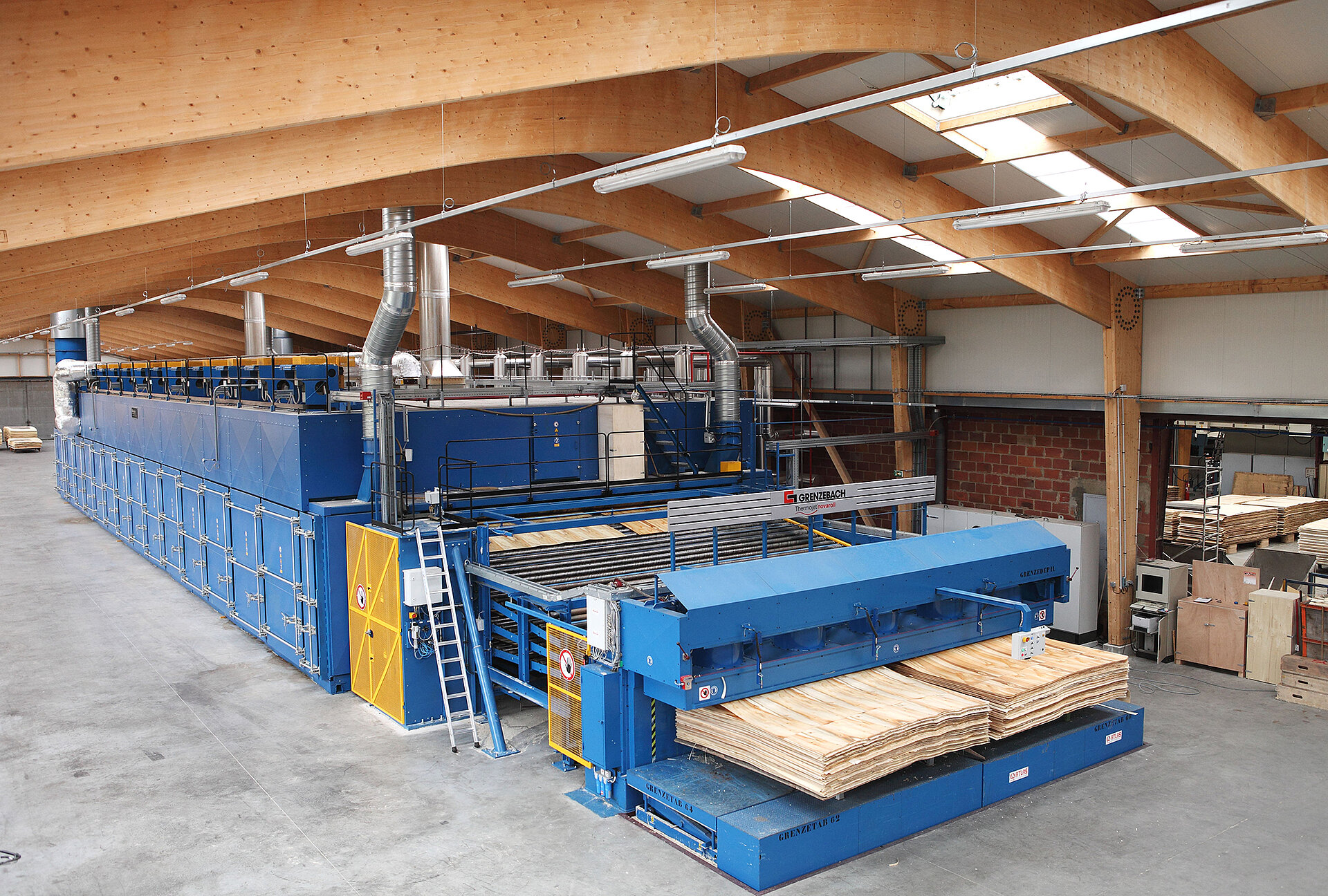
Key Check Points for Evaluating a High-Quality Veneer Dryer
When selecting a high-quality veneer dryer, several critical components directly impact performance, longevity, and operational efficiency. Consider the following key evaluation points:
متانة الهيكل الفولاذي
Examine the frame and housing construction to ensure long-term stability and resistance to warping or corrosion. High-quality veneer dryers use thick-gauge, galvanized or stainless steel in load-bearing areas. Confirm that the structure is welded (not bolted) for rigidity and features reinforced support beams to withstand continuous operation under high temperatures and mechanical stress. A robust steel frame minimizes vibration and maintains alignment of drying rollers and conveyor systems.
ماركة المحرك (على سبيل المثال، سيمنز، ميتسوبيشي)
Verify the brand and specifications of the main drive and fan motors. Reputable brands such as Siemens, Mitsubishi, ABB, or SEW are indicators of reliability, energy efficiency, and long service life. These motors typically offer precise speed control, higher torque consistency, and better thermal protection. Ensure motors are appropriately rated for continuous industrial use and come with proper IP (Ingress Protection) ratings for dust and moisture resistance in a humid drying environment.
نظام التحكم PLC
Assess the sophistication and brand of the Programmable Logic Controller (PLC) used for automation. Leading systems from Siemens, Allen-Bradley (Rockwell), or Mitsubishi provide stable, user-friendly interfaces with real-time monitoring, fault diagnostics, and data logging capabilities. A high-quality PLC enables precise control over drying temperature, conveyor speed, and humidity levels, ensuring consistent veneer quality and reducing energy waste. Look for touchscreen HMI (Human-Machine Interface) panels and the ability to store multiple drying recipes for different wood species.
توافر قطع الغيار
Evaluate the manufacturer’s support network and spare parts accessibility. A reliable supplier should maintain an inventory of critical components such as heating elements, drive belts, rollers, sensors, and control modules. Confirm that parts are readily available locally or through a responsive supply chain to minimize downtime. Long-term support, detailed documentation, and availability of wear-prone components are strong indicators of a high-quality, sustainable investment.
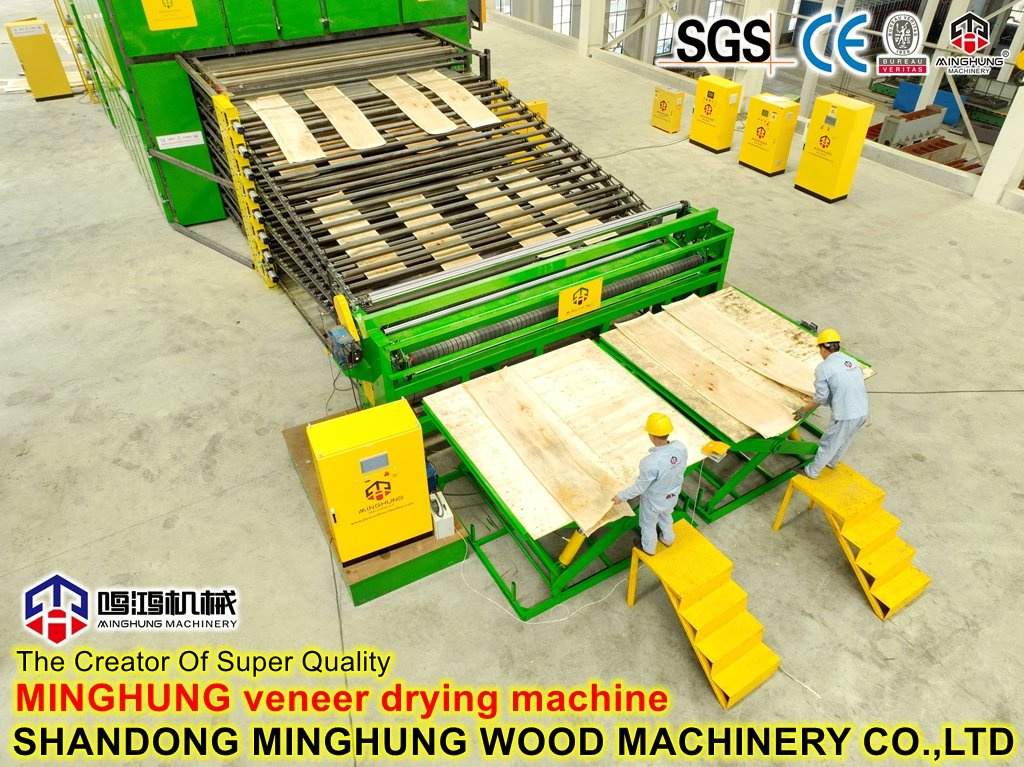
Guide for Importing Veneer Dryers from China
متطلبات الجهد الكهربائي (380 فولت/220 فولت)
When importing a veneer dryer from China, it is critical to confirm the voltage compatibility with your local electrical infrastructure. Most industrial-grade veneer dryers manufactured in China are designed to operate on 380 فولت، ثلاثي الطور، 50 هرتز power, which is standard in Chinese industrial settings. However, some models may offer dual voltage configurations (380V/220V) or can be customized upon request.
- Verify Voltage Specifications: Confirm with the supplier whether the machine is built for 380V or can be adapted to 220V if required.
- احتياجات المحولات: If your facility uses 220V, you may need a step-down transformer for 380V machines, which adds cost and installation complexity.
- Electrical Compliance: Ensure the machine meets safety standards in your country (e.g., CE, UL, or local certifications) and that wiring diagrams and control panels are suitable for your voltage system.
دعم التثبيت
Proper installation is essential for the safe and efficient operation of a veneer dryer. Chinese suppliers vary in the level of installation support they provide:
- On-Site Installation Services: Some manufacturers offer technician dispatch services for on-site setup, calibration, and startup assistance. This may incur additional fees, including travel and labor costs.
- الدعم عن بُعد: Many suppliers provide detailed installation manuals, wiring diagrams, and video guidance. They may also offer live video calls (via Zoom, WeChat, etc.) for real-time troubleshooting.
- Local Assistance: Consider hiring a local industrial machinery technician familiar with drying systems to assist with mechanical and electrical connections, especially if on-site support is not available.
Always clarify the scope of installation support in your purchase agreement and confirm whether it includes commissioning and operator training.
شروط الضمان
Warranty coverage can vary significantly between Chinese manufacturers. It’s essential to understand the terms before finalizing your purchase:
- Standard Warranty Period: Most reputable suppliers offer a ضمان لمدة 12 شهراً من تاريخ الشحن، وتغطي العيوب في المواد والتصنيع.
- الاستثناءات: Warranties typically do not cover damage from improper installation, incorrect voltage use, lack of maintenance, or wear parts (e.g., belts, rollers, heating elements).
- Support Process: Confirm how warranty claims are handled—whether parts are shipped directly, replaced via local agents, or require return to China (not recommended due to cost).
- Extended Warranty Options: Some suppliers offer extended warranty packages for an additional fee, which may include priority support or on-site repairs.
Ensure all warranty terms are documented in writing and included in your sales contract.
مجموعة قطع غيار الشفرات والأجزاء
Given the wear and tear on veneer dryers, having spare parts readily available is crucial for minimizing downtime:
- Recommended Spare Kit: Request a comprehensive spare parts kit from the supplier, including spare blades (for any cutting or trimming components), heater elements, temperature sensors, drive belts, and common seals or rollers.
- Customization: Specify the types of veneer you’ll be processing, as blade types (e.g., tungsten carbide) may vary based on wood hardness.
- Availability and Lead Time: Confirm that the supplier can provide replacement parts quickly, ideally with a stocked inventory for common components. Ask about average shipping times for spare parts.
- Long-Term Support: Choose a supplier with a proven track record of post-sale parts availability. Consider signing a parts supply agreement for ongoing maintenance needs.
Investing in an initial spare parts kit at the time of purchase often results in cost savings and reduces machine downtime over the dryer’s operational life.
In conclusion, sourcing a veneer dryer machine from China can offer significant cost advantages and access to advanced drying technology, provided the process is approached with due diligence. To ensure quality, safety, and compliance, it is essential to verify that the machine carries a valid CE certification, confirming that it meets European health, safety, and environmental standards. Additionally, buyers should insist on pre-shipment testing, either through on-site inspections or via third-party verification, to confirm the machine’s operational efficiency, structural integrity, and performance under real conditions. These critical steps minimize risks, ensure reliability upon delivery, and support a successful investment in long-term production capabilities.