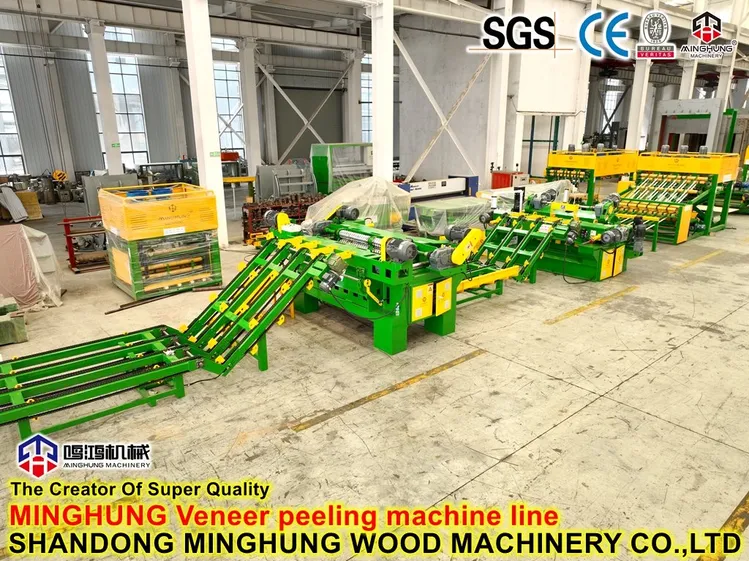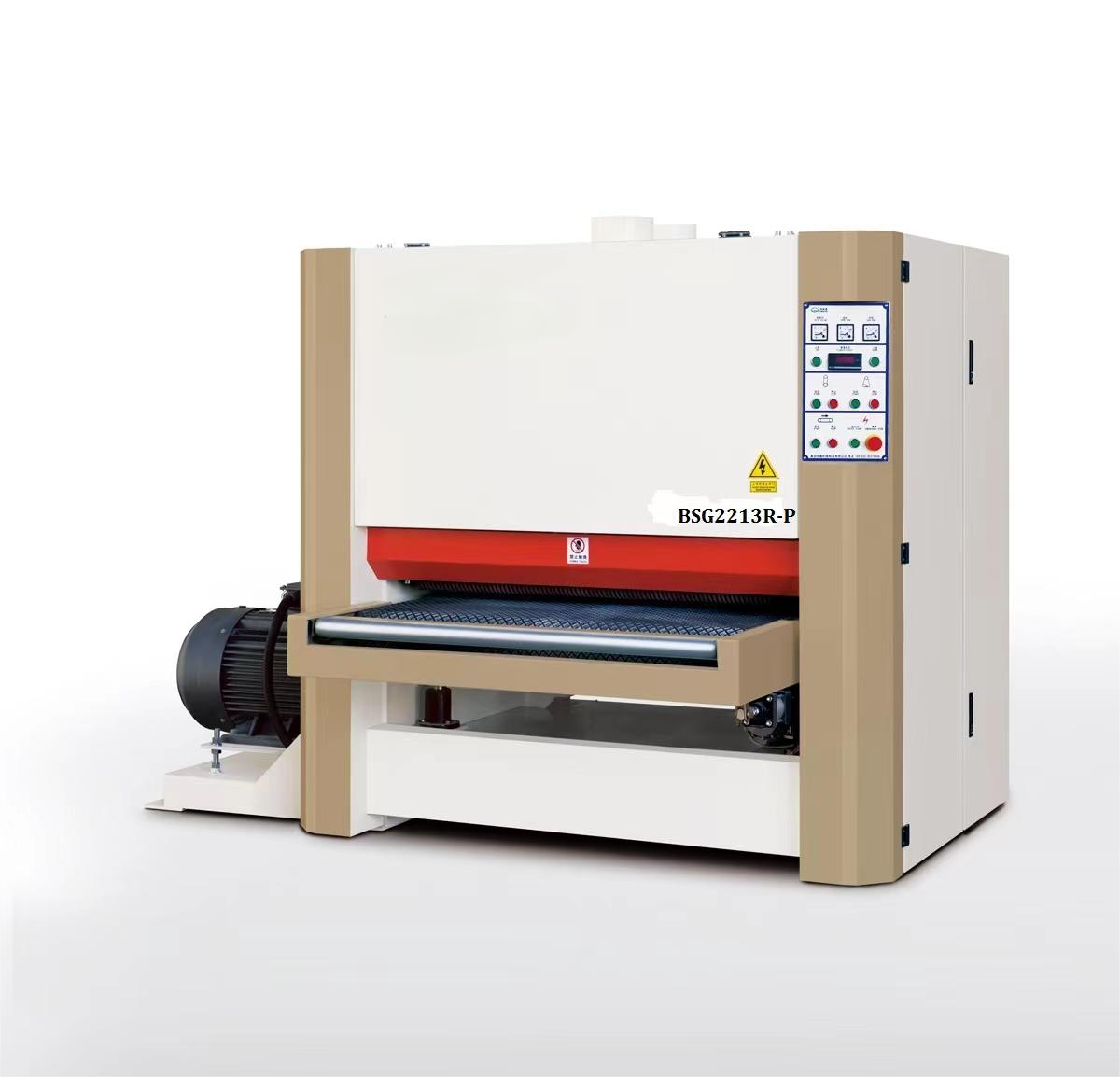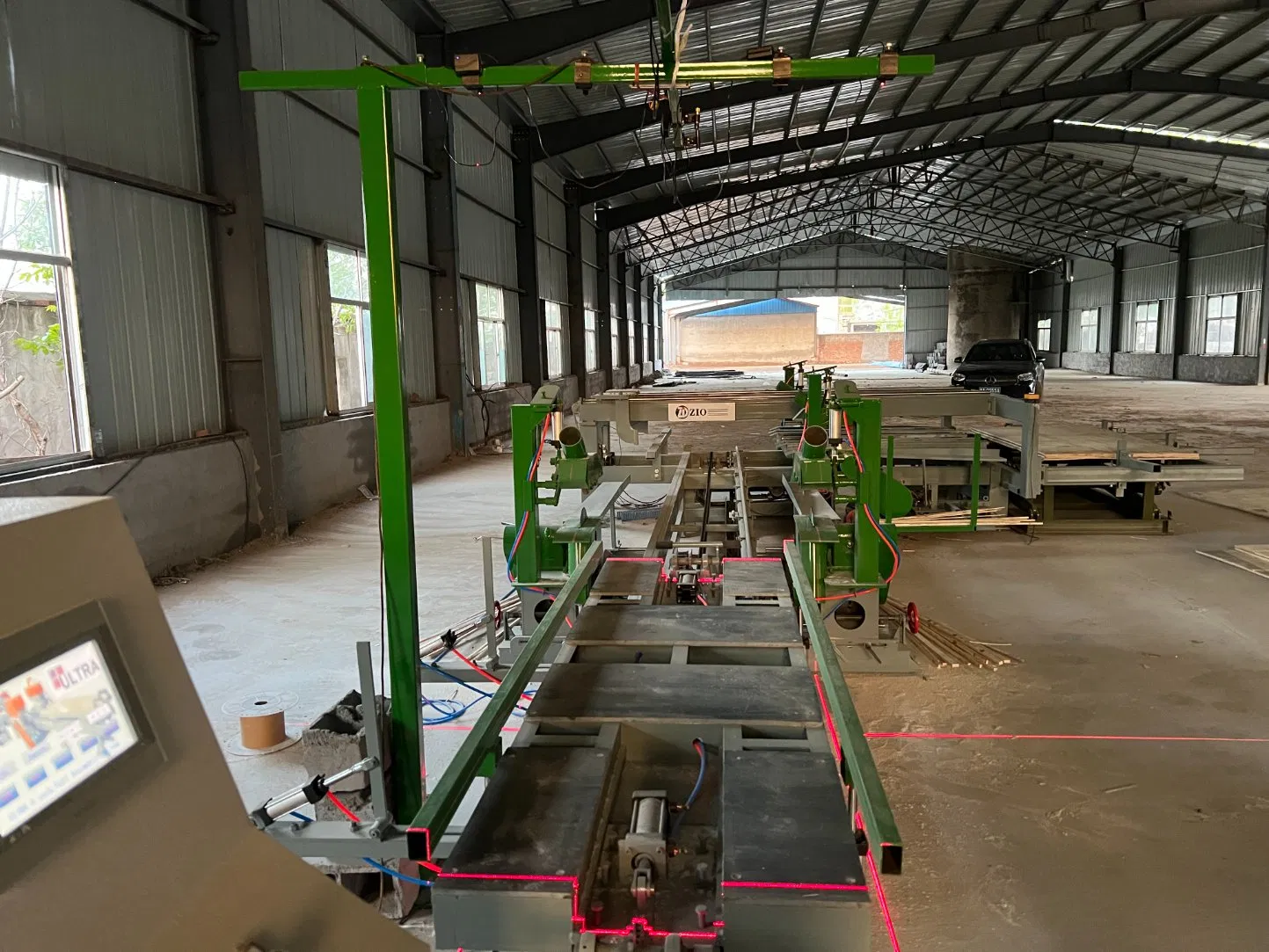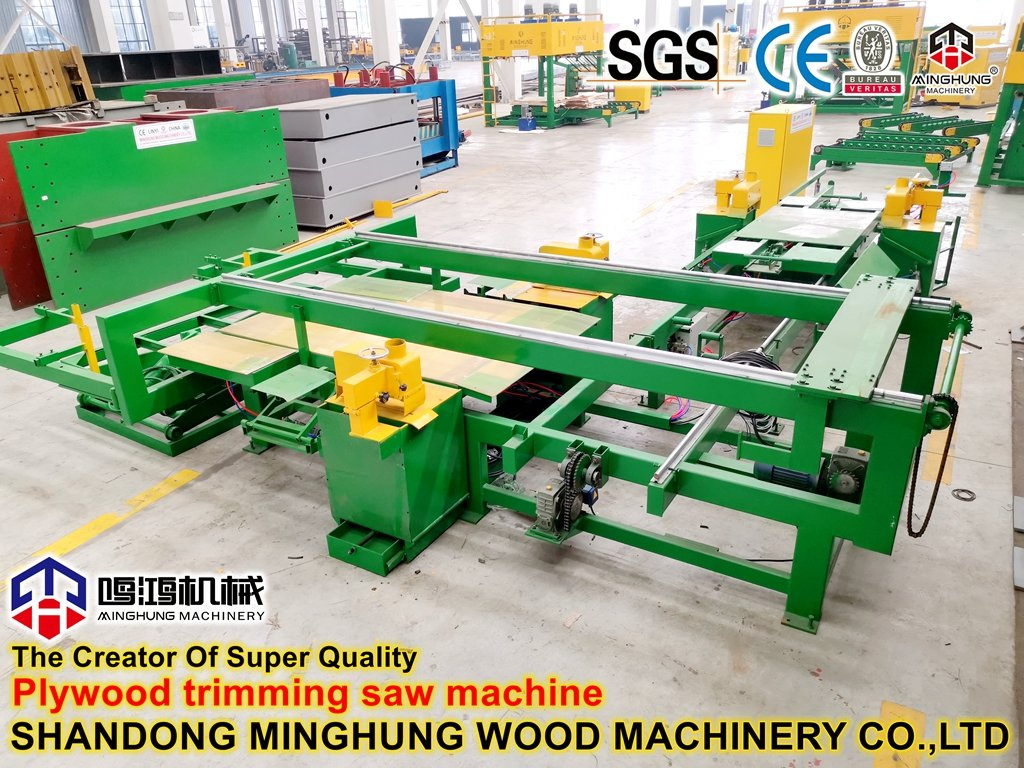

In the evolving landscape of woodworking machinery, sourcing high-performance wood veneer machines demands a strategic focus on efficiency, durability, and manufacturing excellence. As global demand rises, Chinese manufacturers continue to set industry benchmarks—offering advanced technology, cost-effective solutions, and scalable production capabilities. This 2026 review highlights the top seven wood veneer machine manufacturers renowned for delivering reliable, precision-engineered equipment that supports high-volume output and long-term operational success in modern woodworking facilities.
أفضل 7 شركات مصنعة لآلات قشرة الخشب (مراجعة 2026)
(مرتبة حسب القدرة التقنية والسمعة في السوق)





Professional Buying Guide: Wood Veneer Machinery
H2: 2026 Global Wood Veneer Market Trends: Automation, Energy Efficiency, High-Speed Production, and Labor Cost Reduction
As the global wood veneer market advances toward 2026, several key industrial trends are poised to reshape production methodologies, supply chain dynamics, and competitive positioning. Among the most influential drivers are automation, energy efficiency, high-speed production, and labor cost reduction. These factors are not only enhancing operational performance but are also redefining sustainability standards and economic viability across the veneer manufacturing sector.
Automation Integration Accelerates Production Precision
By 2026, automation is expected to be a cornerstone of modern wood veneer manufacturing. Advanced robotics, computer vision systems, and AI-driven quality control mechanisms are being deployed to streamline slicing, grading, splicing, and packaging processes. Automated veneer grading systems, for instance, use machine learning algorithms to assess grain patterns, color consistency, and defects with greater accuracy and speed than manual inspection. This reduces material waste and ensures consistent product quality. Additionally, robotic arms and automated conveyor systems enable seamless integration between processing stages, minimizing handling errors and downtime. The adoption of Industry 4.0 principles—such as real-time data monitoring and predictive maintenance—is particularly evident in leading veneer-producing regions like Europe and East Asia.
Energy Efficiency Becomes a Competitive Imperative
With increasing regulatory pressure and corporate sustainability commitments, energy efficiency is emerging as a critical differentiator in the wood veneer industry. By 2026, manufacturers are investing heavily in energy-optimized drying kilns, low-emission adhesives, and heat recovery systems. Vacuum and radio-frequency (RF) drying technologies are gaining traction due to their ability to reduce drying times by up to 50% while consuming less energy compared to conventional methods. Furthermore, facilities are increasingly powered by renewable energy sources, such as biomass from wood waste or solar arrays, aligning with global net-zero goals. Energy-efficient practices not only lower operational costs but also enhance market access, particularly in environmentally conscious markets like the EU and North America, where green certifications (e.g., FSC, PEFC) influence procurement decisions.
High-Speed Production Meets Growing Demand
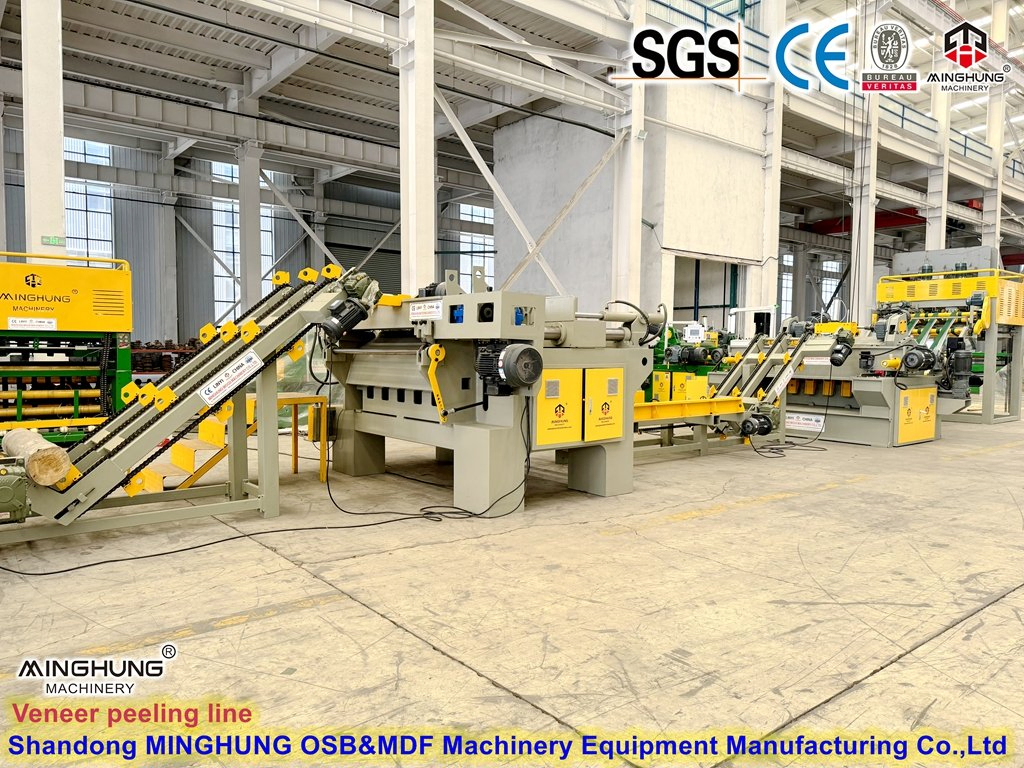
Global demand for wood veneer—fueled by growth in interior design, luxury furniture, and architectural applications—is driving the need for high-speed production systems. Innovations in rotary peeling and slicing technologies now allow for continuous, high-volume output with minimal thickness variation. High-speed veneer lines capable of processing over 100 meters per minute are becoming more common, especially in large-scale operations in China, Germany, and the United States. These systems are integrated with digital control interfaces that allow operators to adjust parameters in real time, ensuring adaptability across veneer types (e.g., oak, walnut, maple). The push for speed is also supported by advancements in adhesive application and pressing technologies, enabling faster lamination cycles for plywood and LVL (laminated veneer lumber) products.
Labor Cost Reduction Through Smart Manufacturing
Labor cost reduction remains a strategic priority, particularly in regions facing skilled labor shortages or rising wage pressures. By 2026, manufacturers are achieving significant labor savings through smart factory solutions. Automated material handling systems reduce the need for manual loading and sorting, while digital dashboards and remote monitoring tools allow fewer operators to oversee larger production lines. Training costs are also minimized through augmented reality (AR)-assisted maintenance and simulation-based operator training. In emerging markets such as Vietnam and India, where labor costs are still relatively low, investments in partial automation are being used to boost productivity rather than fully replace workers, creating a hybrid model that balances cost efficiency with workforce development.
الخلاصة
The 2026 global wood veneer market is being transformed by a convergence of technological and economic forces. Automation, energy efficiency, high-speed production, and labor cost reduction are no longer optional improvements but essential components of competitive strategy. Companies that proactively integrate these trends into their operations will gain advantages in quality consistency, cost control, and environmental compliance. As sustainability and scalability become intertwined imperatives, the future of wood veneer manufacturing will belong to those who embrace innovation as a core value.
Key Evaluation Criteria for High-Quality Wood Veneer Production Equipment
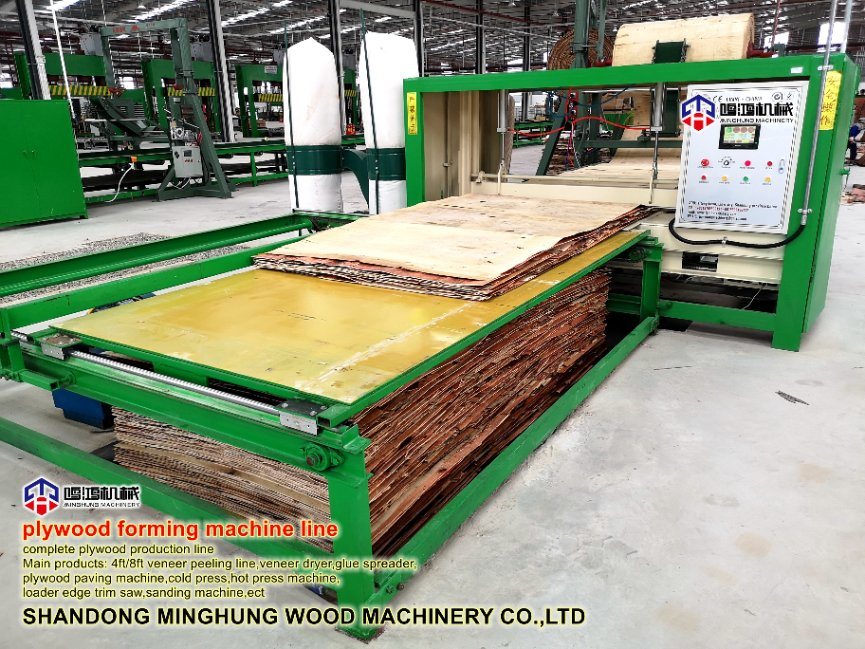
When assessing the quality and reliability of machinery used in wood veneer production—such as rotary cutters, slicers, or peeling lathes—several critical components determine long-term performance and operational efficiency. Below are the essential check points to evaluate:
متانة الهيكل الفولاذي
The steel framework of the machine forms the foundation for precision and longevity. A high-quality wood veneer machine should feature a robust, welded steel structure made from high-grade materials. Look for:
- Thick-gauge, anti-vibration steel construction to minimize operational sway and maintain cutting accuracy.
- Anti-corrosion treatment (e.g., sandblasting, powder coating) to withstand humid wood-processing environments.
- Rigorous stress testing and alignment certification to ensure dimensional stability over time.
- Reinforced stress points around the spindle and cutting zone to handle continuous load.
A durable steel structure ensures consistent veneer thickness and reduces maintenance downtime.
ماركة المحرك (على سبيل المثال، سيمنز، ميتسوبيشي)
The drive motor directly affects cutting precision, speed control, and energy efficiency. Reputable motor brands provide reliability and service support:
- Motors from globally recognized brands such as سيمنز, ميتسوبيشي, ، أو ABB offer superior performance, thermal protection, and long service life.
- Verify motor specifications match production demands (e.g., variable frequency drives for speed control).
- Check for IP (Ingress Protection) ratings suitable for wood dust and moisture exposure.
- OEM motors often come with better warranty and technical documentation.
Using trusted motor brands reduces breakdown risks and ensures stable operation during high-load cycles.
نظام التحكم PLC
Modern veneer machines rely on PLC (Programmable Logic Controller) systems for automation, precision, and user interface. A high-quality control system should include:
- PLC units from established brands like سيمنز, ميتسوبيشي, ، أو أومرون for reliable and programmable operation.
- Touchscreen HMI (Human-Machine Interface) for intuitive control of feed speed, cutting thickness, and fault diagnostics.
- Pre-set programs for different wood species and veneer thicknesses to enhance productivity.
- Real-time monitoring and error logging to simplify troubleshooting and reduce downtime.
A sophisticated PLC system improves repeatability and reduces operator error.
توافر قطع الغيار
Long-term machine usability depends heavily on the accessibility and cost of spare parts:
- Confirm that the manufacturer or supplier maintains a comprehensive inventory of critical spare parts (e.g., knives, bearings, belts, sensors).
- Check global distribution networks or local dealers for after-sales support.
- Evaluate lead times for replacement components—shorter delivery times minimize production interruptions.
- Prefer machines with standardized components (e.g., ISO-compliant bearings, common electrical fittings) to simplify sourcing.
Reliable spare parts availability ensures minimal downtime and extends the machine’s operational lifespan.
By thoroughly evaluating these four key areas—متانة الهيكل الفولاذي, ماركة المحرك, نظام التحكم PLC, ، و توافر قطع الغيار—you can confidently select high-quality wood veneer equipment that delivers precision, efficiency, and long-term value.
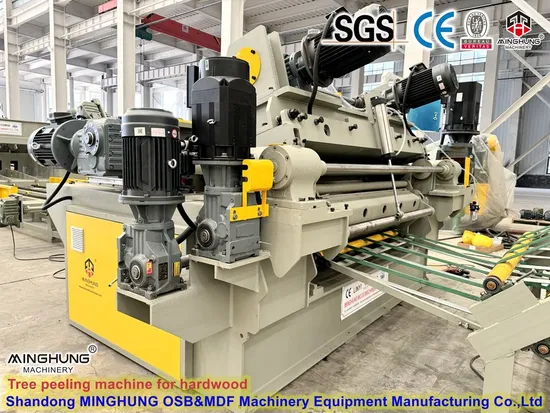
Guide for Importing Wood Veneer from China: Voltage Requirements, Installation Support, Warranty Terms, and Spare Parts
When importing wood veneer processing machinery—such as veneer slicers, peelers, or cutters—from China, it’s essential to clarify key technical and service specifications to ensure smooth integration and operation. Below is a guide focusing on critical aspects: voltage compatibility, installation support, warranty coverage, and spare parts availability.
متطلبات الجهد الكهربائي (380 فولت/220 فولت)
Chinese industrial machinery is commonly manufactured to operate on 380V three-phase power, which is standard in China’s industrial power grid. However, voltage requirements vary significantly by destination country:
- Confirm Local Voltage Standards: Before placing an order, verify whether your facility uses 380V, 220V, or another voltage (e.g., 415V in the UK, 480V in North America).
- Request Voltage Customization: Most Chinese manufacturers can customize machines to run on 220V or other voltages upon request. Clearly specify your required voltage and phase configuration (e.g., 220V/3-phase or 220V/1-phase).
- Transformer Considerations: If your site only has 220V single-phase power but the machine requires 380V three-phase, you may need a step-up transformer and phase converter—factor in cost and space requirements.
- Verify Plug and Frequency: Ensure compatibility with local plug types and confirm the machine can operate at your region’s frequency (50Hz vs. 60Hz), as mismatched frequency can affect motor performance.
Always request electrical specifications and wiring diagrams from the supplier prior to shipment.
دعم التثبيت
Proper installation is crucial for the performance and longevity of veneer processing equipment. Clarify the level of installation support offered:
- On-Site Technician Service: Some suppliers offer to send a technician to your facility for installation and initial training. This may incur additional costs for travel, accommodation, and daily fees.
- الدعم عن بعد: Many Chinese manufacturers provide video calls, manuals, or AR-assisted guidance for self-installation. Ensure documentation is available in English or your preferred language.
- متطلبات ما قبل التثبيت: Confirm foundation, space, ventilation, and utility needs (power, air pressure, dust extraction) in advance. Request a site preparation checklist from the supplier.
- Training Programs: Inquire if operator and maintenance training is included. Effective training reduces downtime and improves safety.
Negotiate installation terms clearly in your purchase contract.
شروط الضمان
Warranty coverage varies widely among Chinese manufacturers. Understand the following details before finalizing your purchase:
- المدة: Standard warranties typically range from 12 to 24 months for major components (e.g., motor, gearbox, control system).
- نطاق التغطية: Confirm whether the warranty includes labor, parts, and shipping. Many warranties cover defective parts but exclude wear-and-tear items (e.g., blades, belts).
- عملية المطالبة: Ask about the procedure for filing a warranty claim—will parts be shipped immediately, or is an inspection required? Who bears return shipping costs?
- الاستثناءات: Typical exclusions include damage from improper use, lack of maintenance, voltage fluctuations, or unauthorized modifications.
- خيارات الضمان الممتد: Some suppliers offer paid extended warranties—evaluate cost versus risk.
Always obtain the warranty terms in writing and ensure they are part of the sales agreement.
مجموعة قطع غيار الشفرات والأجزاء
Maintaining a supply of critical spare parts minimizes machine downtime. Plan ahead for parts availability:
- مجموعات شفرات احتياطية: Veneer slicers and cutters require regular blade replacement. Ask if the supplier provides OEM-compatible spare blades and blade sharpening services.
- Comprehensive Spare Parts Package: Consider purchasing a starter kit including high-wear components such as belts, bearings, knives, pressure rollers, and electrical fuses.
- Parts Availability and Lead Time: Confirm how quickly spare parts can be shipped from China. Some suppliers maintain overseas warehouses for faster delivery.
- Part Number Documentation: Request a full parts list with clear diagrams and model numbers to simplify future ordering.
- دعم ما بعد البيع: Verify whether the supplier offers long-term parts support—some may discontinue parts for older models.
Building a relationship with a reliable supplier ensures ongoing access to genuine spare components.
By carefully addressing voltage requirements, installation support, warranty terms, and spare parts availability, you can successfully import and integrate wood veneer machinery from China with minimal disruption to your operations.
In conclusion, sourcing a wood veneer machine from China can offer significant cost advantages and access to advanced manufacturing technology. However, it is crucial to prioritize quality, safety, and compliance throughout the procurement process. One of the most important steps is verifying that the machine carries valid CE certification, which ensures it meets European safety, health, and environmental protection standards—even if destined for other markets, as CE marking often reflects a higher level of engineering and regulatory adherence. Additionally, arranging for thorough testing of the machine prior to shipment is essential to confirm its functionality, performance, and reliability under real operating conditions. This may include running production trials and inspecting key components such as the blade system, feed mechanism, and control interface. Whenever possible, consider third-party inspections or on-site visits to mitigate risks. By emphasizing CE certification and pre-shipment testing, buyers can enhance product quality, reduce post-purchase issues, and ensure a smoother integration of the machine into their operations, ultimately leading to a more successful and sustainable investment.