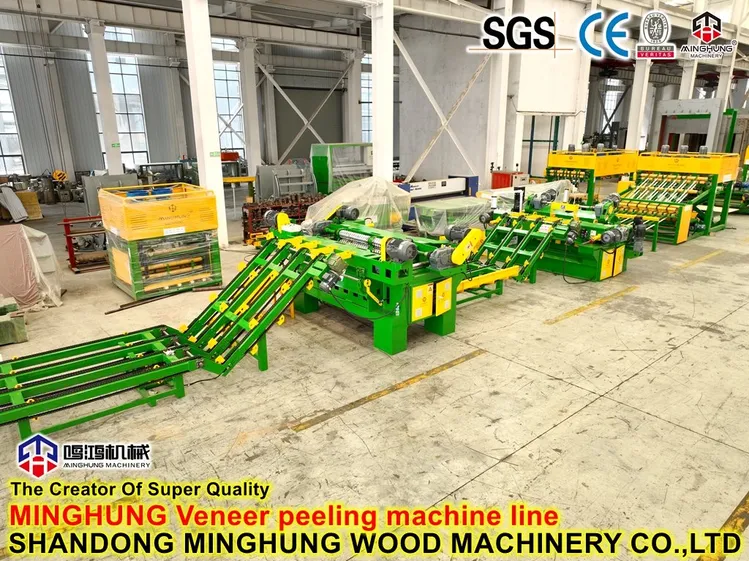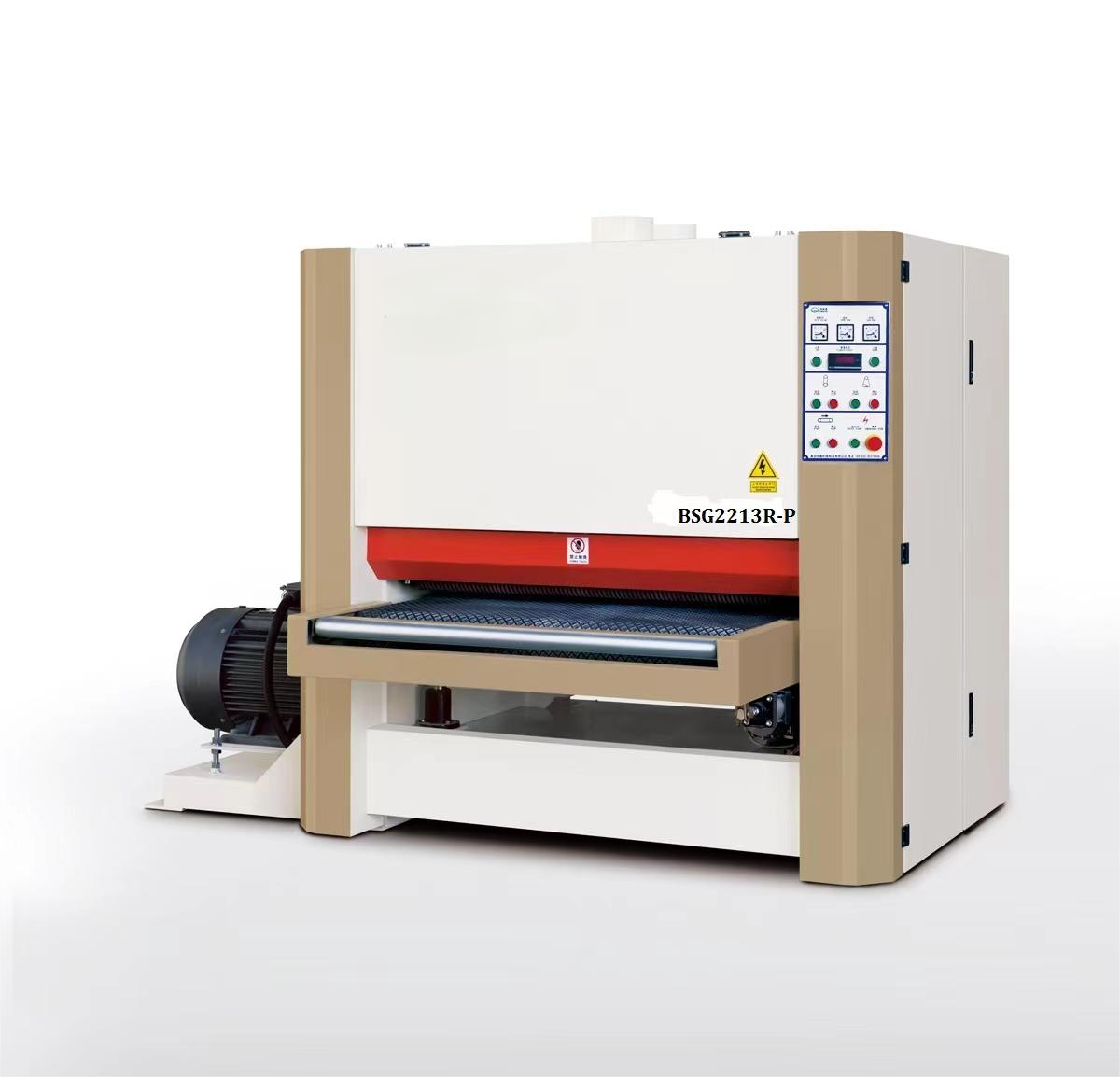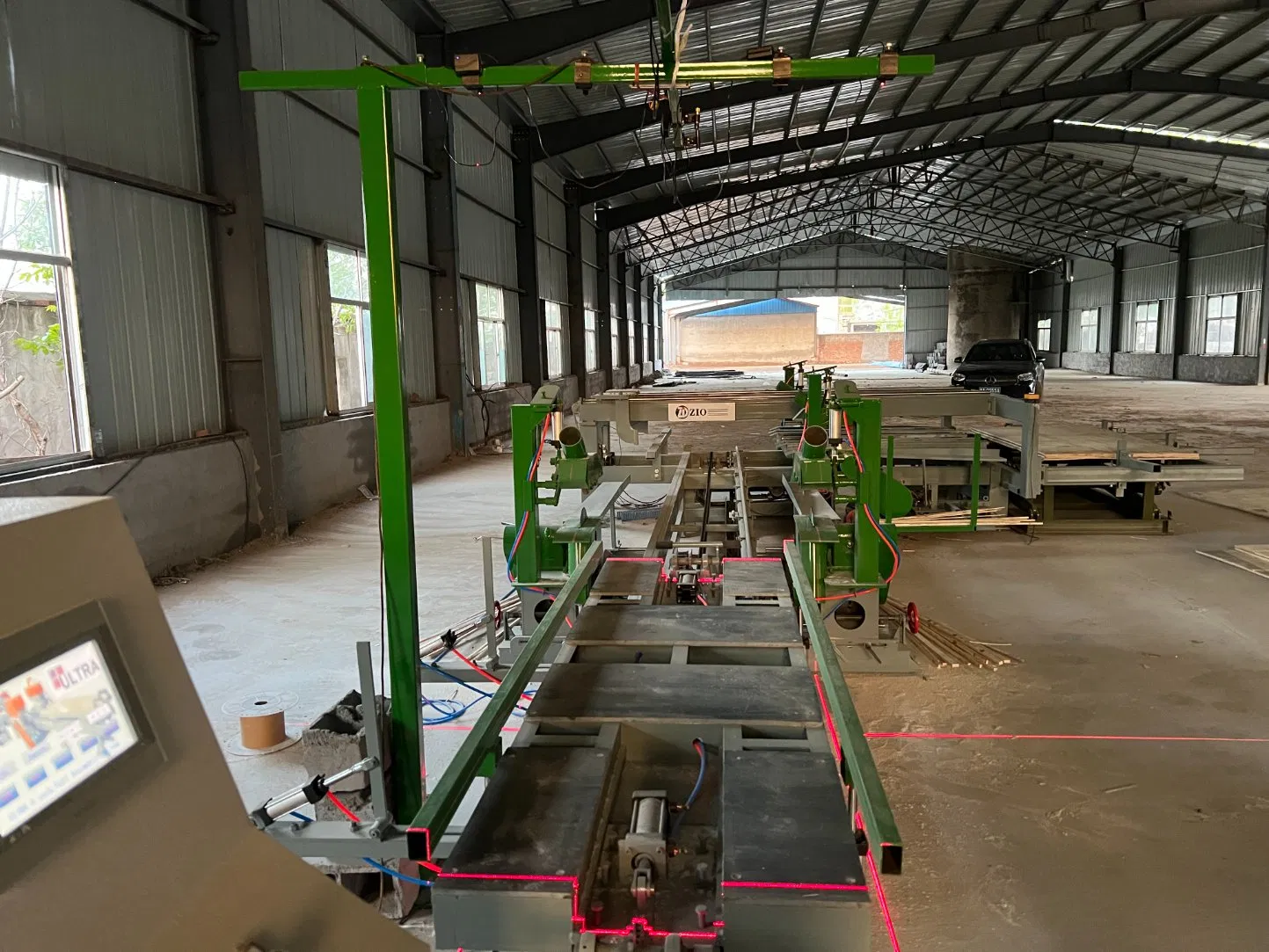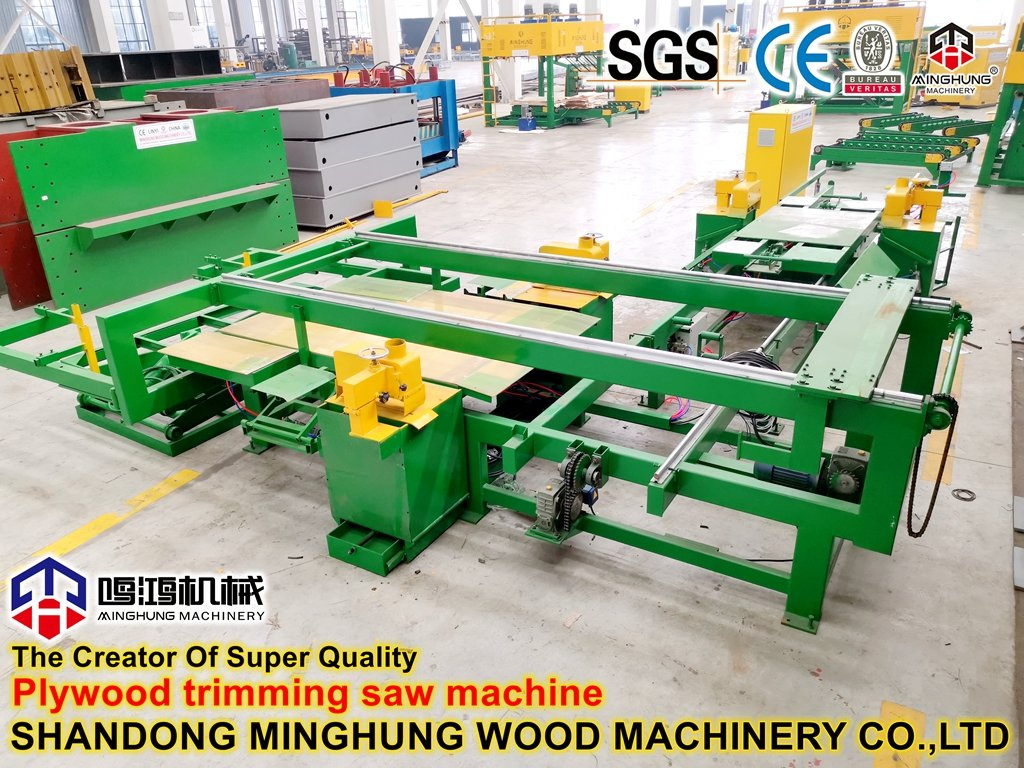

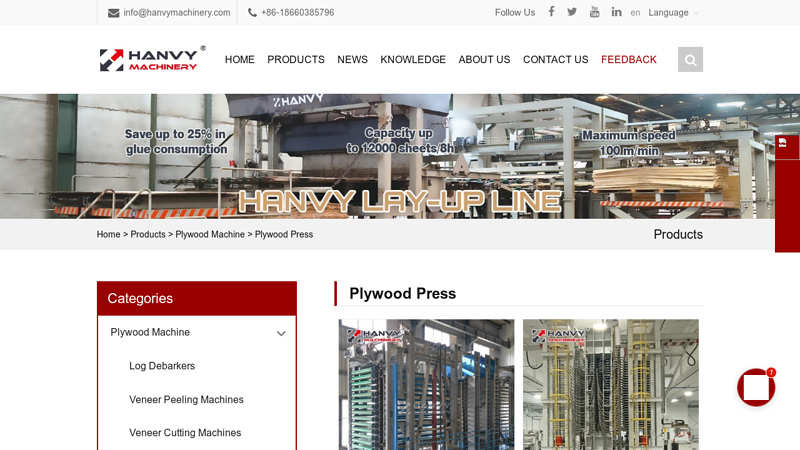
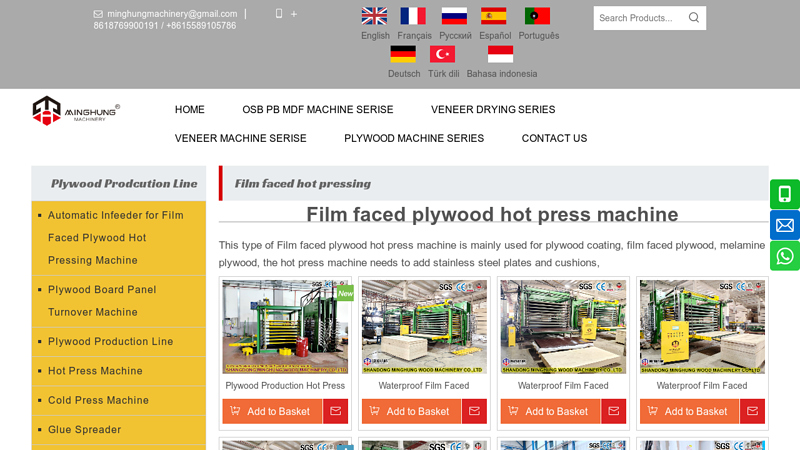
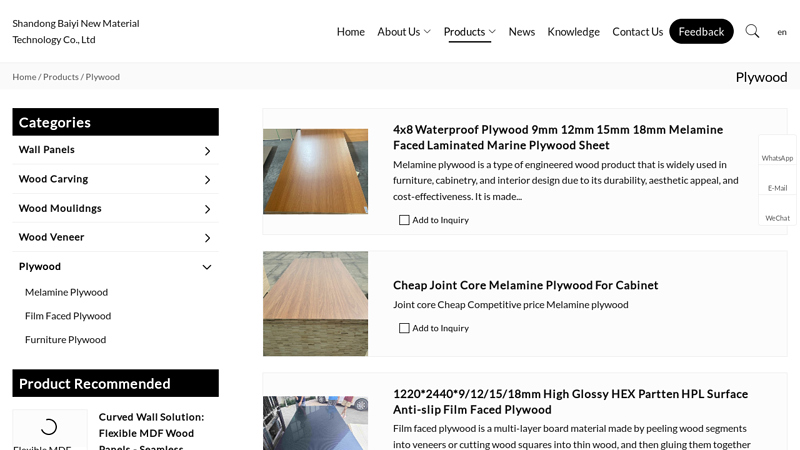
In 2026, the global demand for high-performance pressing plywood machines continues to rise, driven by evolving construction, furniture, and interior design markets. For B2B buyers, selecting the right manufacturer means balancing efficiency, durability, and long-term operational value. China remains a dominant force in woodworking machinery production, combining advanced engineering with cost-effective manufacturing at scale. This review highlights the top four pressing plywood machine manufacturers leading the industry through innovation, robust build quality, and proven performance in high-volume production environments.
Top 4 Pressing Plywood In Machine Manufacturers (2026 Review)
(Nach technischer Leistungsfähigkeit und Marktruf geordnet)
Professional Buying Guide: Pressing Plywood In Machinery
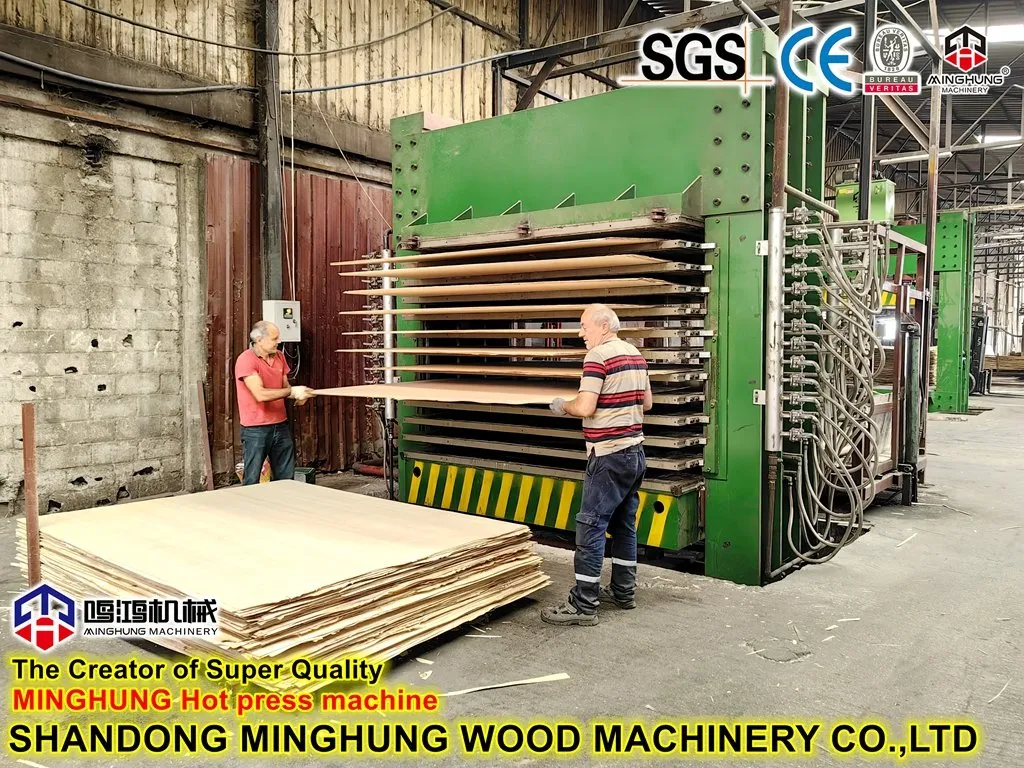
2026 Global Market Trends for Pressing Plywood: Automation, Energy Efficiency, High-Speed Production, and Labor Cost Reduction
Automation in Pressing Plywood Manufacturing
By 2026, automation is set to become a cornerstone of the pressing plywood industry, transforming traditional production lines into smart, data-driven operations. Manufacturers are increasingly integrating robotic arms, automated stackers, and AI-powered monitoring systems to handle veneer stacking, glue application, and hot pressing sequences. These technologies minimize human error, enhance consistency in product quality, and allow for real-time adjustments in pressing parameters such as temperature, pressure, and dwell time.
Advanced automation solutions, such as machine vision systems, detect defects in veneers before pressing, reducing waste and rework. In regions like Europe and North America, where operational efficiency standards are high, fully automated pressing lines are becoming standard. Meanwhile, emerging markets in Southeast Asia and India are adopting modular automation systems to scale up production without overhauling existing infrastructure. By 2026, it’s projected that over 60% of medium-to-large plywood pressing facilities will deploy some form of automation, significantly improving throughput and precision.
Energy Efficiency and Sustainable Pressing Technologies
Energy efficiency has emerged as a critical driver in the evolution of pressing plywood technology, particularly in response to rising energy costs and stringent environmental regulations. The pressing stage of plywood manufacturing is energy-intensive, primarily due to the use of hot presses that require sustained high temperatures. By 2026, manufacturers are shifting toward energy-optimized systems that incorporate heat recovery units, improved insulation materials, and variable frequency drives (VFDs) on hydraulic systems.
Innovations such as electromagnetic or radio-frequency (RF) pressing are gaining traction, offering faster heat transfer and reduced energy consumption compared to conventional steam or oil-heated presses. Additionally, biomass-powered steam generators and integration with solar thermal systems are being piloted in regions like Scandinavia and Southeast Asia, where renewable resources are abundant. Regulatory pressures, including the EU Green Deal and carbon pricing mechanisms, are accelerating the adoption of energy-efficient pressing solutions. As a result, energy per cubic meter of pressed plywood is expected to decline by 15–20% by 2026 compared to 2022 levels.
High-Speed Production and Throughput Optimization
The demand for faster turnaround times and just-in-time delivery models is pushing the pressing plywood sector toward high-speed production systems. By 2026, next-generation continuous press lines (such as CPS – Continuous Press Systems) are expected to dominate new installations, particularly in high-volume markets like China, Vietnam, and Russia. These systems enable uninterrupted pressing cycles, significantly reducing cycle times from several minutes per batch to seconds per panel.
High-speed production is further enabled by digital twin technology, where virtual models of the pressing line simulate and optimize performance in real time. Predictive maintenance powered by IoT sensors ensures minimal downtime, maintaining consistent output. The integration of high-speed glue spreaders and precision alignment systems allows for rapid veneer assembly ahead of the press, eliminating bottlenecks. As a result, leading producers are achieving output rates exceeding 1,000 m³ per day from single lines, doubling productivity from a decade ago.
Senkung der Arbeitskosten durch technologische Integration
Labor cost reduction remains a primary strategic objective for plywood manufacturers, especially in cost-sensitive markets. By 2026, the combination of automation, digitalization, and process reengineering is expected to reduce direct labor requirements in pressing operations by 30–40%. Fully automated material handling systems, from veneer sorting to post-press trimming, eliminate the need for manual intervention in hazardous or repetitive tasks.
In developed economies, where labor costs are high, companies are investing in centralized control rooms where a single operator can oversee multiple pressing lines. In contrast, developing nations are adopting semi-automated solutions that balance upfront costs with labor savings. Training programs focused on operating and maintaining advanced equipment are also helping transition workforces into higher-value roles, reducing dependency on low-skilled labor.
Moreover, remote monitoring and cloud-based production management platforms allow for centralized oversight across multiple plants, further reducing the need for on-site technical staff. As a result, the global average cost per pressed plywood panel is expected to decrease by approximately 12% by 2026, driven largely by reduced labor intensity and improved operational efficiency.
Schlussfolgerung
By 2026, the global pressing plywood market will be reshaped by the convergence of automation, energy efficiency, high-speed production, and labor cost reduction. These trends are not only enhancing competitiveness but also aligning the industry with sustainability and digital transformation goals. Manufacturers who proactively invest in integrated, smart pressing technologies will lead in productivity, cost efficiency, and environmental performance, positioning themselves advantageously in an increasingly dynamic global market.
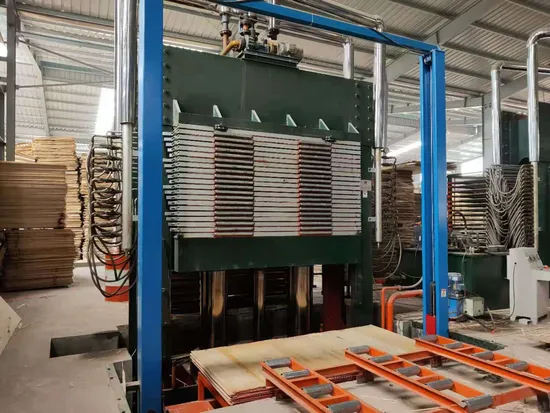
How to Evaluate a High-Quality Pressing Plywood Machine: Key Check Points
When investing in a pressing plywood machine, assessing its quality and long-term performance is critical. Below are the essential check points to consider, focusing on durability, core components, control systems, and maintenance support.
Haltbarkeit von Stahlkonstruktionen
The steel frame forms the backbone of the pressing machine and directly impacts its stability, precision, and service life.
– Materialqualität: Verify that the machine uses high-tensile, anti-corrosion steel (e.g., Q345 or equivalent).
– Schweißen & Konstruktion: Inspect for fully welded joints, reinforced stress points, and precision leveling. Poor welding can lead to frame deformation under high pressure.
– Steifigkeit und Vibrationsfestigkeit: A robust structure minimizes vibration during operation, ensuring consistent pressure and product quality.
– Surface Treatment: Look for anti-rust coatings or paint treatments that enhance longevity, especially in humid environments.
Motormarke und Leistung (z. B. Siemens, Mitsubishi)
The motor drives the hydraulic and mechanical systems, affecting energy efficiency, reliability, and uptime.
– Renommierte Marken: Prioritize machines equipped with motors from globally recognized brands like Siemens, Mitsubishi, ABB, oder SEW. These offer proven durability and technical support.
– Power Match & Efficiency: Ensure the motor’s power rating aligns with the machine’s pressing capacity and production needs. High-efficiency motors reduce long-term energy costs.
– Overload Protection: Check for built-in thermal and overload protection to prevent damage during continuous operation.
SPS-Steuerungssystem
The PLC (Programmable Logic Controller) governs automation, precision, and ease of operation.
– Brand & Reliability: Leading systems from Siemens, Mitsubishi, oder Omron offer stable performance, better diagnostics, and user-friendly interfaces.
– Functionality: Evaluate features such as programmable pressing cycles, pressure/temperature monitoring, fault alarms, and data logging.
– Benutzeroberfläche (HMI): A clear, intuitive touchscreen interface allows easy parameter adjustments and reduces operator error.
– Expandability & Integration: Ensure the PLC can integrate with other production line systems (e.g., conveyors, sensors) for future automation upgrades.
Verfügbarkeit von Ersatzteilen
Timely access to spare parts minimizes downtime and extends the machine’s operational life.
– Local & Global Support: Confirm whether the supplier or manufacturer maintains a spare parts inventory locally or has a responsive global supply chain.
– Gängige Verschleißteile: Check availability of critical components like seals, hydraulic valves, heating elements, sensors, and rollers.
– Documentation & Compatibility: Ensure parts come with clear identification numbers and compatibility charts. Machines using standardized components (e.g., ISO or DIN) are easier to maintain.
– Supplier Responsiveness: Evaluate the supplier’s service reputation—do they offer technical support and quick delivery for urgent replacements?
By thoroughly evaluating these four key areas—Haltbarkeit von Stahlkonstruktionen, Motor Marke, SPS-Steuerungssystem, und Verfügbarkeit von Ersatzteilen—you can confidently select a high-quality pressing plywood machine that ensures long-term productivity, minimal downtime, and a strong return on investment.
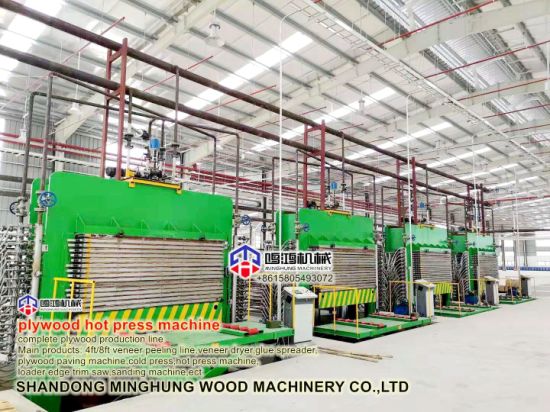
Guide for Importing Pressing Plywood Machines from China: Key Considerations
When importing pressing plywood machinery from China, it’s essential to carefully evaluate technical specifications, support services, and after-sales terms to ensure smooth integration and long-term operational efficiency. Below are critical factors to consider:
Spannungsanforderungen (380 V/220 V)
Chinese-manufactured industrial pressing machines are typically designed to operate on 380V three-phase power systems, which are standard in Chinese factories. However, voltage standards vary by country:
- Confirm whether the machine is built for 380V 50Hz (common in China and many international markets) or if a 220 V configuration is available.
- Check compatibility with your local power supply. If your facility uses a different voltage (e.g., 480V 60Hz in North America), you may need a step-down transformer or a machine reconfigured for your specifications.
- Request detailed electrical schematics and ensure the control panel and motor are rated for your regional voltage and frequency.
- Clarify if the manufacturer can customize the electrical system during production to avoid costly on-site modifications.
Installationsunterstützung
Proper installation is crucial for machine performance and safety. Evaluate the level of support offered by the Chinese supplier:
- Inquire if Installation und Inbetriebnahme vor Ort are included or available at an additional cost.
- Determine whether technical personnel can be dispatched from the manufacturer to your facility to oversee setup, calibration, and initial operation.
- Fragen Sie nach remote support options, such as video calls or real-time troubleshooting through digital platforms.
- Confirm if comprehensive installation manuals, wiring diagrams, and operation guides (in English or your preferred language) are provided.
- Consider whether your team will require training sessions to operate and maintain the equipment safely and efficiently.
Garantiebedingungen
Understand the warranty coverage to protect your investment and ensure timely support:
- Verify the warranty duration (typically 12 to 24 months from shipment or commissioning).
- Clarify what is covered—common components include the main frame, hydraulic system, control system, and motor. Wear parts (e.g., belts, bearings, blades) may be excluded.
- Bestätigen Sie, ob die Garantie Folgendes umfasst: parts, labor, and shipping costs for replacements. Many Chinese suppliers cover parts but not international shipping or on-site service fees.
- Understand the claim process: how to report issues, required documentation, and expected response time.
- Check if the warranty is voided by improper installation, unauthorized repairs, or use of non-OEM spare parts.
Ersatzklingen und Ersatzteilsätze
Having access to spare components minimizes downtime and ensures continuous operation:
- Anfordern recommended spare parts list specific to the model you are purchasing.
- Inquire about the availability of a umfassender Ersatzteilsatz that includes critical consumables such as spare blades, heating elements, sensors, seals, and hydraulic hoses.
- Bestätigen lead times for ordering additional parts and whether key components are kept in stock by the supplier or a regional distributor.
- Fragen Sie nach part numbering systems and compatibility across machine models to simplify future ordering.
- Consider purchasing a starter spare kit at the time of machine import to avoid production delays during initial operation.
By addressing these key areas—voltage compatibility, installation support, warranty coverage, and spare parts availability—you can ensure a successful import and reliable operation of your pressing plywood machine from China. Always communicate clearly with the supplier and document all agreements in writing before finalizing the purchase.
In conclusion, sourcing a pressing plywood manufacturer in China can offer significant cost advantages and access to advanced manufacturing capabilities. However, to ensure product quality, safety, and compliance with international standards, it is essential to thoroughly vet potential suppliers. One of the most critical steps is verifying that the machinery and end products comply with CE certification, which signifies adherence to European health, safety, and environmental protection standards. Additionally, always insist on testing the pressing machine before shipment to confirm its performance, reliability, and alignment with your technical specifications. Conducting on-site inspections or arranging third-party quality checks can further mitigate risks. By prioritizing CE certification and pre-shipment testing, buyers can safeguard their investment, minimize operational disruptions, and ensure long-term success in their plywood production ventures.