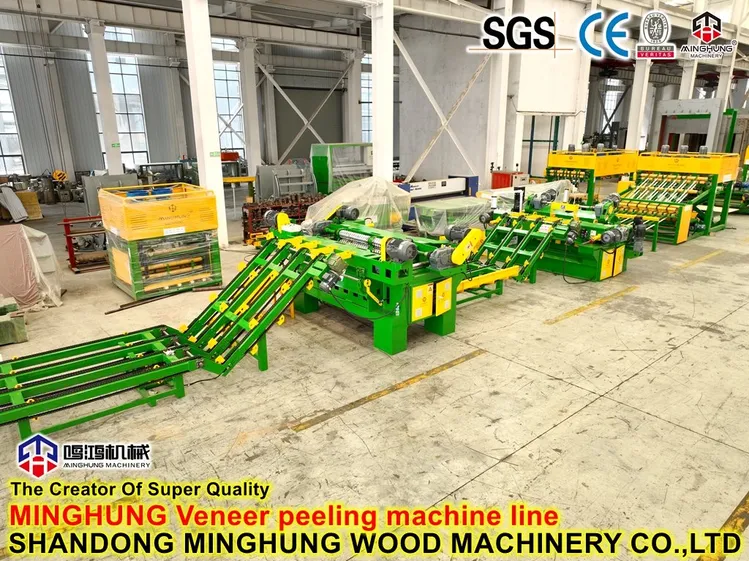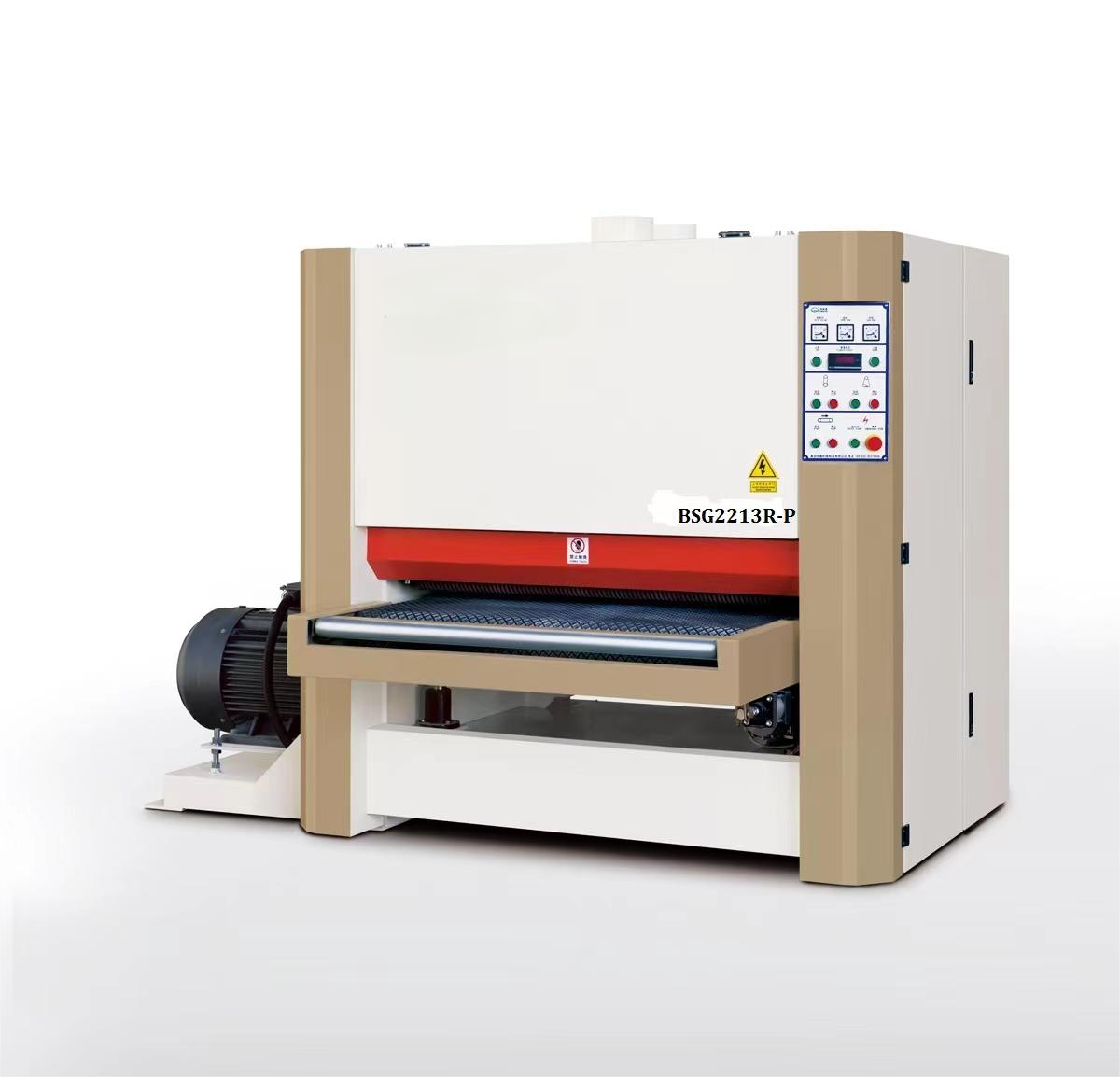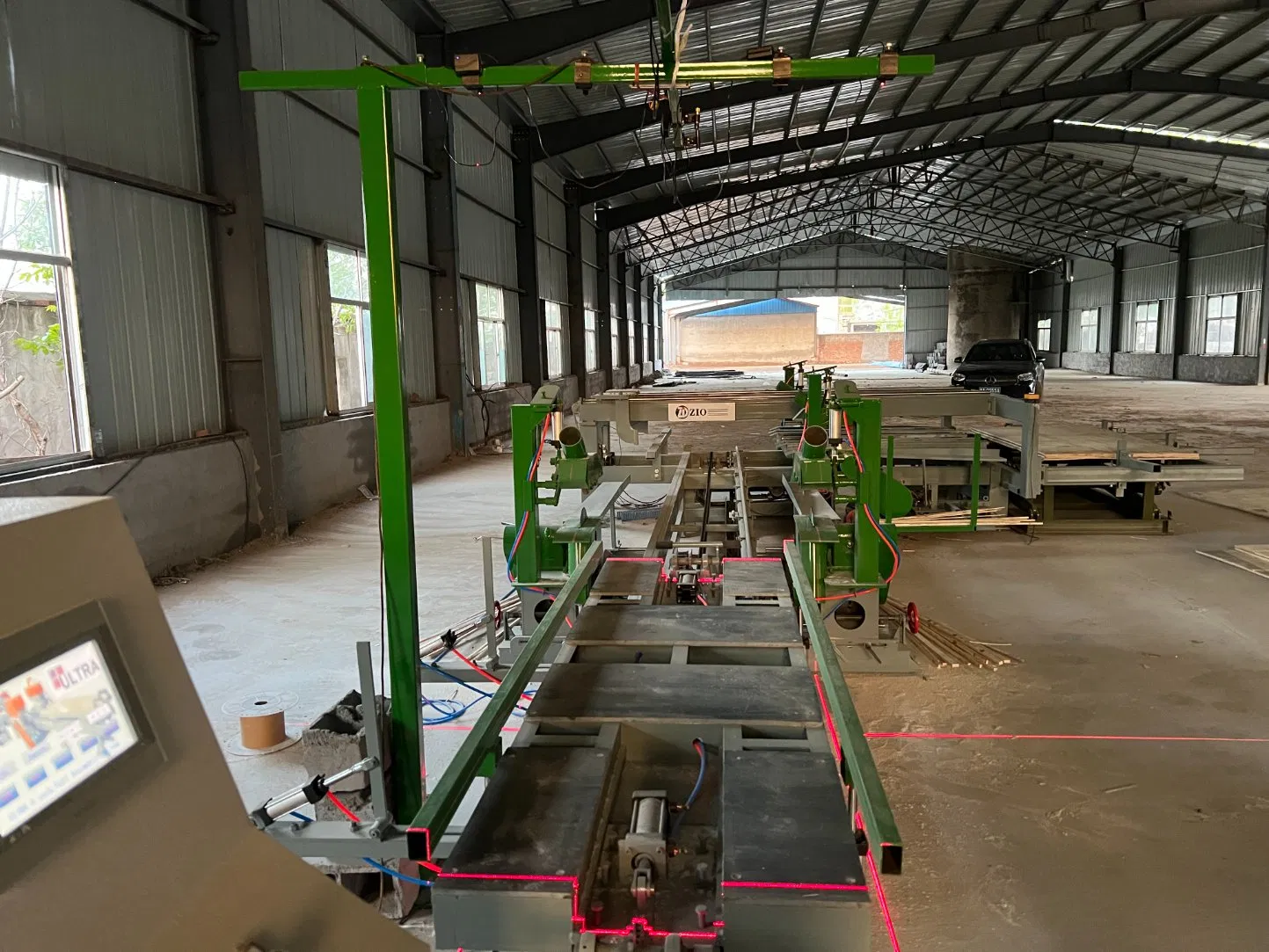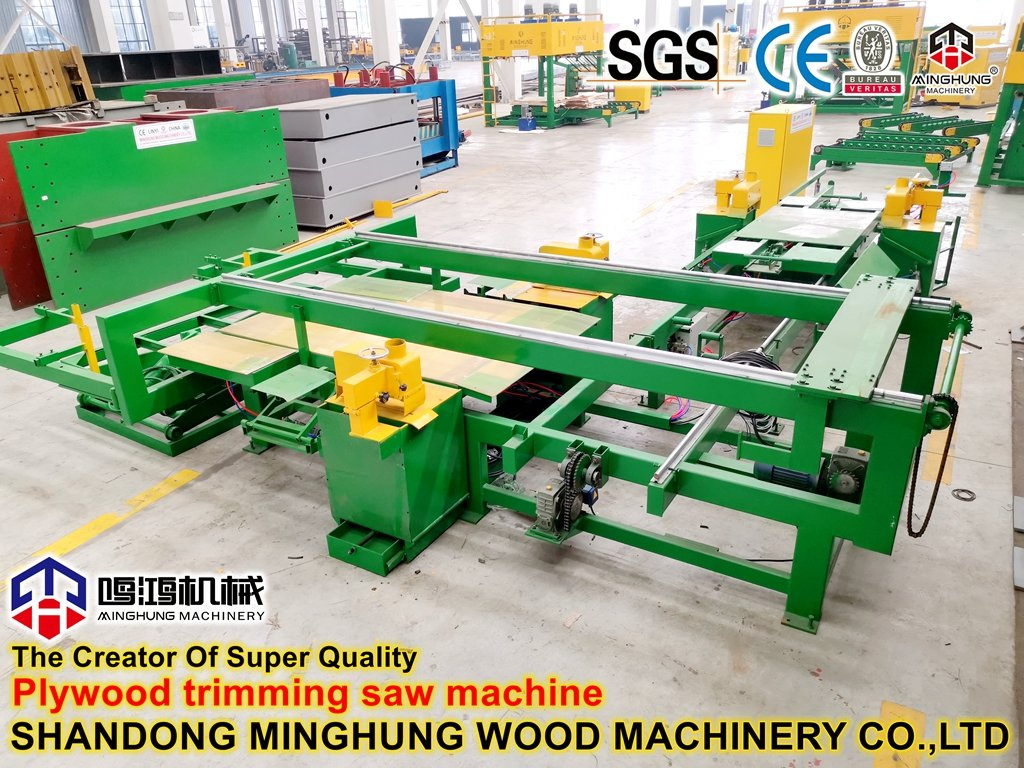

In the evolving landscape of plywood production, sourcing the right ply mill machinery is critical to ensuring operational efficiency, long-term durability, and cost-effective scalability. As global demand rises, Chinese manufacturers continue to strengthen their position as leaders in industrial woodworking technology—offering advanced engineering, precision manufacturing, and unmatched value. This 2026 review highlights the top 10 ply mill machine manufacturers driving innovation and reliability in the sector, with a focus on performance, build quality, and proven success in large-scale production environments.
Top 10 Ply Mill Machine Manufacturers (2026 Review)
(Ranked by Technical Capability & Market Reputation)





Professional Buying Guide: Ply Mill Machinery
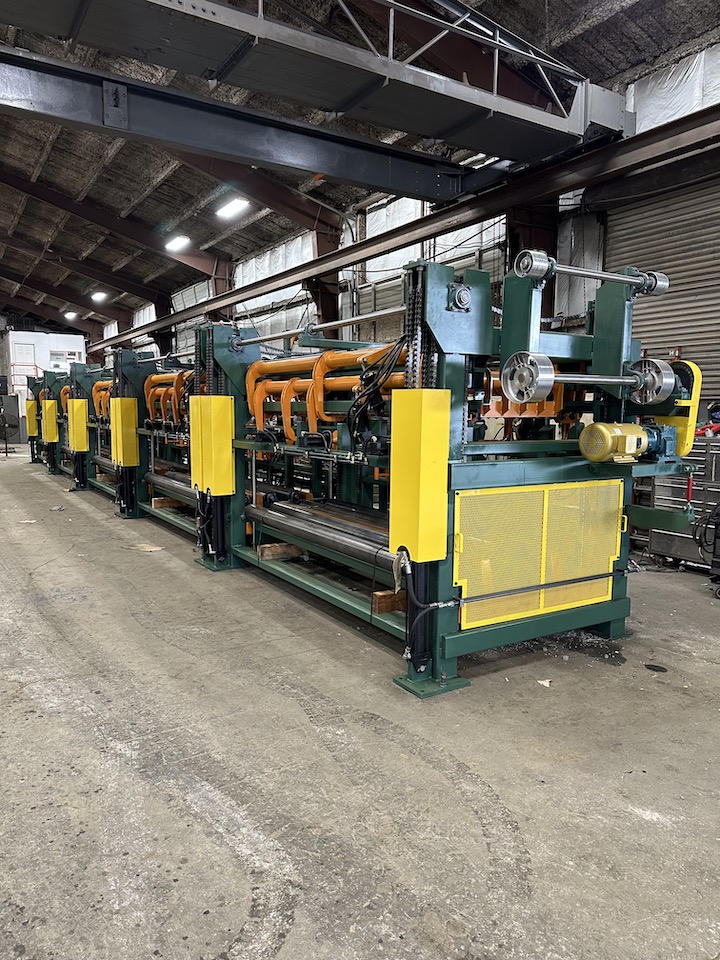
2026 Global Ply Mill Market Trends: Automation, Energy Efficiency, High-Speed Production, and Labor Cost Reduction
The global plywood mill industry is poised for significant transformation by 2026, driven by intensifying competitive pressures, evolving sustainability mandates, and technological advancements. Key trends converging around Automation, Energy Efficiency, High-Speed Production, and Labor Cost Reduction will define operational excellence and market leadership. These factors are deeply interconnected, creating a powerful synergy that reshapes mill design, investment strategies, and profitability.
Automation: The Foundation for Modern Ply Mills
Automation will move from a competitive advantage to an operational necessity by 2026. The primary drivers are consistency, quality control, and integration with other efficiency goals.
- Process Integration & Control: Advanced Distributed Control Systems (DCS) and Manufacturing Execution Systems (MES) will become standard, enabling real-time monitoring and optimization of the entire production chain – from log positioning and veneer slicing to glue mixing, pressing, and grading. Closed-loop control systems will dynamically adjust parameters (e.g., glue spread, press temperature/pressure) based on sensor data (veneer moisture, thickness, density).
- Robotic Handling: Robotic arms will see widespread adoption for tasks like stacking green veneers, handling core and face sheets into presses, and palletizing finished panels. This reduces physical strain, improves stacking precision (critical for press performance), and enables 24/7 operation.
- AI-Powered Quality Inspection: Machine Vision systems, powered by Artificial Intelligence (AI) and deep learning, will dominate final panel inspection. These systems will detect defects (knots, splits, glue spots, delamination) with far greater speed and accuracy than human inspectors, providing real-time data for process feedback and predictive maintenance.
- Predictive Maintenance: Embedded sensors and AI analytics will predict equipment failures (e.g., press platens, dryer rollers, knife spindles) before they occur, minimizing unplanned downtime and extending asset life. This reduces maintenance costs and improves overall equipment effectiveness (OEE).
Energy Efficiency: A Critical Sustainability and Cost Imperative
Energy represents a major cost center (especially drying) and a significant source of emissions. By 2026, energy efficiency will be paramount for both cost competitiveness and meeting regulatory/corporate ESG targets.
- Optimized Drying Technology: Focus will intensify on reducing the energy footprint of the veneer dryer, the most energy-intensive process. This includes:
- Advanced Heat Recovery: Implementing sophisticated heat exchangers to capture waste heat from dryer exhaust and reuse it for pre-heating fresh air or other processes.
- Variable Frequency Drives (VFDs): Ubiquitous use of VFDs on dryer fans, pumps, and motors to precisely match energy consumption to load requirements.
- Improved Dryer Design: Adoption of more efficient dryer designs (e.g., multi-pass, optimized airflow patterns) and better insulation to minimize heat loss.
- Biomass Energy Integration: Mills utilizing biomass (bark, sander dust, planer shavings, off-cuts) as a renewable fuel source for steam boilers will gain a significant cost and sustainability edge. Advanced gasification and combustion technologies will improve efficiency and reduce emissions.
- Process Integration & Optimization: Holistic energy management systems will optimize the entire mill’s energy flow, identifying synergies (e.g., using waste heat from the press or dryer for other low-temperature needs).
- Regulatory Pressure: Stricter carbon pricing, emissions limits, and energy efficiency standards (especially in Europe, North America, and parts of Asia) will force non-compliant mills to invest or face closure.
High-Speed Production: Meeting Demand and Maximizing Asset Utilization
Market demand, particularly for commodity and engineered wood products, continues to grow. High-speed production is essential to meet volume requirements and achieve economies of scale, directly linking to profitability.
- Faster Press Cycles: Development of faster-curing adhesives (e.g., advanced PF, MUF, isocyanate-based) and optimized press control systems (temperature, pressure profiles) will reduce press cycle times significantly. Multi-opening “cold press” technologies for specific applications may see niche growth.
- Increased Line Speeds: Automation and improved material handling (conveyors, robotic transfer) will enable higher line speeds throughout the mill, from veneer sorting and clipping to lay-up and sanding. Seamless integration between processes is key to avoiding bottlenecks.
- Reduced Changeover Times: Automated tooling and recipe management systems will minimize downtime when switching between different panel specifications (thickness, glue type, core mix), improving overall line flexibility and utilization.
- Focus on OEE: High-speed production is meaningless without high Overall Equipment Effectiveness. The integration of automation (for uptime) and predictive maintenance (for reduced downtime) is crucial to achieving sustained high speeds.
Labor Cost Reduction: An Inescapable Economic Driver
Rising labor costs globally, coupled with persistent labor shortages in many regions (especially for skilled operators), make labor cost reduction a primary objective. Automation and efficiency gains are the primary levers.
- Direct Labor Reduction: Automation directly replaces manual tasks: robotic stacking/handling, automated glue spreaders, AI-powered grading (replacing visual inspectors), automated stacking/packaging/palletizing. This reduces headcount requirements for direct production roles.
- Indirect Labor Optimization: Advanced control systems (DCS/MES) and data analytics reduce the need for manual data collection, reporting, and routine process adjustments. Maintenance becomes more predictive and less reliant on large reactive crews.
- Skill Shift, Not Elimination: While manual roles decrease, demand will grow for highly skilled technicians, data analysts, automation engineers, and maintenance specialists capable of managing complex integrated systems. Workforce transformation and upskilling are critical.
- Competitive Necessity: Mills in regions with high labor costs (North America, Western Europe, parts of East Asia) will be forced to automate aggressively to remain competitive against lower-cost producers. Automation levels the playing field by reducing the relative impact of wage differentials.
Synergy and Conclusion
By 2026, the most successful global plywood mills will not pursue these trends in isolation but will leverage their powerful synergy:
- Automation enables High-Speed Production through precise, consistent, and rapid material handling and process control.
- High-Speed Production and Automation drive Labor Cost Reduction by minimizing the need for manual intervention.
- Automation and Process Optimization are essential for maximizing Energy Efficiency through real-time control, predictive maintenance (reducing energy waste from inefficiencies), and optimized resource use.
- Energy Efficiency directly reduces operating costs, improving margins and competitiveness.
- Labor Cost Reduction and Energy Efficiency both contribute significantly to overall profitability, funding further investment in automation and high-speed technology.
Investment in integrated, smart manufacturing systems will be the defining characteristic of leading ply mills by 2026. Mills that fail to embrace this convergence of Automation, Energy Efficiency, High-Speed Production, and Labor Cost Reduction will face increasing pressure on margins, reduced competitiveness, and potential obsolescence. The future belongs to the intelligent, efficient, and agile mill.
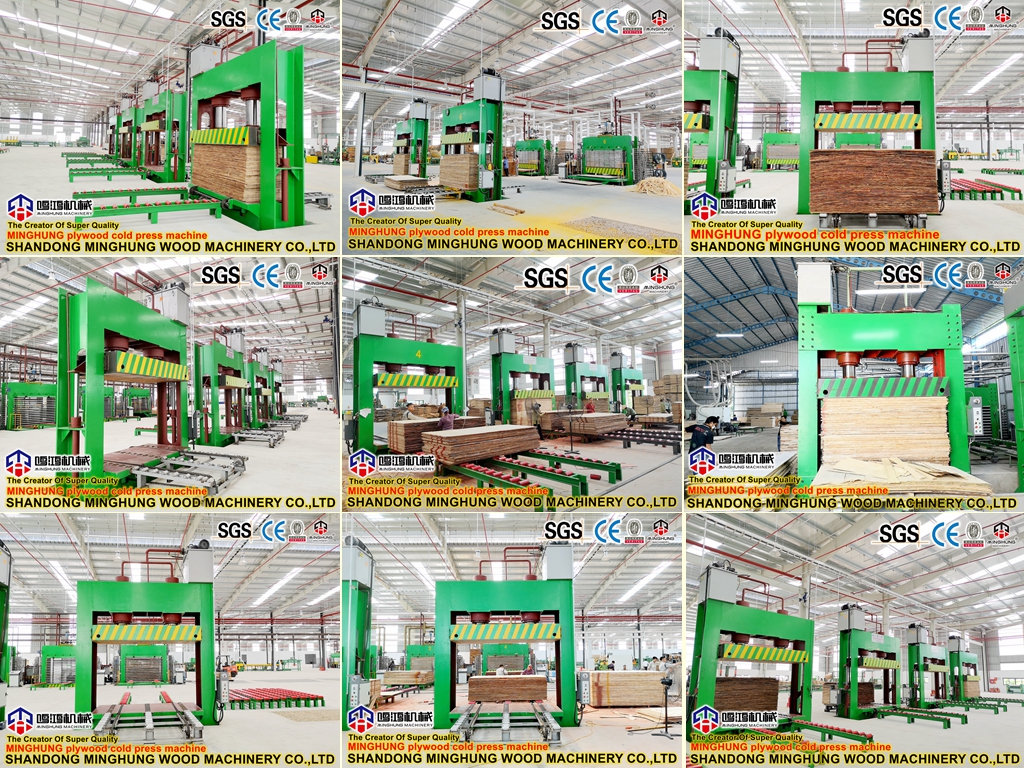
Key Check Points for Evaluating a High-Quality Ply Mill
When assessing the quality and reliability of a ply mill, several critical components should be thoroughly evaluated to ensure long-term performance, minimal downtime, and operational efficiency. The following are essential check points:
Steel Structure Durability
Examine the mill’s main frame and supporting structures for robustness and corrosion resistance. High-quality ply mills use heavy-duty, precision-welded steel frameworks designed to withstand continuous operational stress and vibration. Look for thick-gauge steel, anti-rust treatments (such as galvanization or powder coating), and structural reinforcements in high-load areas. A rigid structure ensures alignment stability, reduces wear on moving parts, and extends the machine’s service life.
Motor Brand (e.g., Siemens, Mitsubishi)
The reliability and efficiency of drive motors significantly impact performance. Premium brands like Siemens, Mitsubishi, ABB, or Yaskawa are indicators of high-quality engineering, energy efficiency, and durability. Verify the motor specifications—such as power rating, insulation class, and protection rating (IP code)—to ensure they match the mill’s operational demands. Motors from reputable brands also offer better thermal management and longer service intervals.
PLC Control System
A sophisticated PLC (Programmable Logic Controller) system is crucial for automation, precision, and ease of operation. Check for well-known PLC brands such as Siemens S7, Mitsubishi FX/Q series, or Allen-Bradley. The control system should offer user-friendly HMI (Human-Machine Interface), real-time diagnostics, fault logging, and programmable settings for different plywood thicknesses and production speeds. A reliable PLC enhances process consistency and simplifies troubleshooting.
Spare Parts Availability
Ensure that spare parts for critical components—rollers, belts, bearings, sensors, and electrical modules—are readily available locally or through the supplier’s network. Delays in sourcing parts can lead to extended downtime. Ask the manufacturer or supplier about their inventory support, lead times for replacements, and whether generic or OEM parts are used. A reputable supplier will offer a comprehensive spare parts catalog and technical support.
Evaluating these four areas—steel structure, motor brand, PLC control, and spare parts—will help identify a high-quality, dependable ply mill suitable for sustained industrial use.
Guide for Importing Ply Mill from China: Key Considerations
When importing a ply mill from China, several critical factors must be addressed to ensure smooth operation, compliance, and long-term reliability. Below are key areas to focus on during the procurement process.
Voltage Requirements (380V/220V)
Ply mills manufactured in China often operate on 380V three-phase power, which is standard in Chinese industrial settings. However, your local electrical infrastructure may use 220V or a different voltage standard. Confirm the following:
- Verify Machine Specifications: Ensure the ply mill is built or can be customized to match your local voltage (e.g., 220V or 380V, 50Hz or 60Hz).
- Request Dual Voltage Options or Transformers: Some suppliers offer dual-voltage motors or recommend compatible step-down/step-up transformers.
- Check Electrical Compatibility: Work with a licensed electrician to assess whether your facility’s power supply can support the machine’s requirements.
- Clarify with Supplier: Ask the manufacturer to provide detailed electrical schematics and motor specifications before shipment.
Installation Support
Proper installation is essential for optimal performance and safety. Evaluate the level of support offered by the Chinese supplier:
- On-Site Technician Services: Confirm if the supplier can send a technician for installation and commissioning (travel and labor costs may apply).
- Remote Assistance: Request video tutorials, detailed manuals, or live video support for local technicians.
- Installation Checklist: Obtain a comprehensive installation guide, including foundation requirements, alignment procedures, and safety protocols.
- Pre-Shipment Testing: Insist on factory acceptance testing (FAT) with video documentation to verify the machine works before shipping.
Warranty Terms
Understand the warranty coverage to protect your investment:
- Duration: Standard warranties typically range from 12 to 24 months. Clarify start date (shipment vs. installation).
- Coverage: Confirm what is included—usually defects in materials and workmanship. Exclusions often include wear parts (e.g., blades, belts), damage from improper use, or voltage issues.
- Service Response: Ask about turnaround time for warranty claims, availability of spare parts, and whether repairs are handled locally or require return to China.
- Documentation: Ensure warranty terms are in writing and included in the sales contract.
Spare Blade and Part Kits
To minimize downtime, plan for spare parts early:
- Request a Spare Parts Kit: Ask the supplier to provide a recommended spare parts package, including blades, bearings, belts, and common wear components.
- Blade Compatibility: Confirm blade dimensions, material (e.g., tungsten carbide), and replacement frequency. Ensure future replacements are available and affordable.
- Inventory Planning: Stock critical spares based on expected usage and lead time for reordering from China.
- Long-Term Availability: Verify the supplier will support parts supply for at least 5–10 years post-purchase.
By addressing these four areas—voltage compatibility, installation support, warranty terms, and spare parts—you can ensure a successful import and reliable operation of your Chinese-manufactured ply mill. Always conduct due diligence on suppliers and consider using third-party inspection services before finalizing your order.
In conclusion, sourcing a plywood mill machine from China can offer significant cost advantages and access to advanced manufacturing technology. However, to ensure long-term reliability, safety, and compliance, it is crucial to verify that the machine carries a valid CE certification, indicating that it meets European health, safety, and environmental protection standards. Additionally, arranging for pre-shipment inspection and on-site testing of the machine before it leaves the supplier’s facility is essential. This step helps confirm that the equipment operates as specified and meets your production requirements. By prioritizing certified machinery and thorough quality checks, buyers can mitigate risks, avoid costly downtime, and ensure a smooth integration of the machine into their operations.