Low density and soft, lightweight.
Medium strength and nail-holding ability, easy to work with.
Straight grain and light color, easy to paint or finish.
Affordable and widely used for construction and packaging.
Uses of softwood plywood: formwork, walls, roofs, subfloors, packaging, pallets.
Example: albasia wood from Indonesia.
Weight and density: light and low density.
Growth cycle: short growth cycle usually indicates softwood.
Wood properties
Low density and loose fibers: fibers stretch or compress easily during cutting, causing uneven thickness.
Moisture content fluctuations:
High moisture → fibers are soft and compress, producing thinner or dented veneer.
Low moisture → fibers are brittle and break, causing uneven thickness.
Inconsistent fiber direction: irregular grain can deflect the blade, leading to thickness variation.
Blade condition
Dull or worn rotary knives increase cutting resistance, pulling fibers instead of cutting cleanly.
Incorrect blade angle or blade vibration also causes uneven surfaces and higher thickness deviation.
Peeling speed and thickness setting
Too slow → uneven fiber stress, large thickness fluctuation.
Too fast → blade vibration may occur, increasing deviation.
Recommended speed: 60–100 m/min.
Machine precision
Bearings, guides, knife carriage accuracy, and overall machine stability affect cutting uniformity.
Log quality
Knots, cracks, and density differences between heartwood and sapwood create uneven cutting resistance.
Fast-growing softwoods often have many knots and loose fiber areas, making thickness tolerance harder to control.
How to Reduce Thickness Tolerance of Softwood Veneer
Select high-quality logs
Choose logs with straight and uniform grain.
Avoid knots, cracks, and large density differences between heartwood and sapwood to minimize peeling deviations.
Blade maintenance
Regularly replace or sharpen rotary knives to prevent vibration and uneven thickness.
Keep blades sharp and with correct angle to reduce cutting resistance.
Improve machine precision
Use high-precision machines and components.
Employ high-grade bearings and precision rails (e.g., Japanese rails).
Heat-treat knife carriage to release deformation stress.
Control pressure and tension
Design single or double rollers according to softwood density.
Adjust roller diameter, drop, and pressure to minimize thickness error.
Prevent excessive pressure that can compress or stretch softwood.
Match peeling speed and thickness
Recommended peeling speed: 60–100 m/min.
Too slow → uneven fiber stress; too fast → blade vibration and thickness deviation.
Why Softwood Veneer Surface is Rough?
Wood properties
Low density and loose fibers: softwood fibers are loosely packed, so cutting often pulls fibers instead of cleanly slicing them.
Tear-out is especially likely at knots or where fiber direction changes.
Rotary knife condition
Dull, worn, or incorrectly angled blades cause incomplete cutting, pulling fibers and creating fuzz.
Loose knives or low-precision machines can cause blade vibration, increasing tear-out.
Peeling speed and veneer thickness
Too slow peeling speed or cutting too thick veneer increases cutting resistance, pulling fibers.
Recommended peeling speed: ≥60 m/min.
Wood moisture content
High moisture → fibers soft and easily pulled → tear-out.
Low moisture → fibers brittle → break and produce rough edges.
Log quality
Knots, cracks, and irregular fiber direction make tear-out more likely.
How to Get Smooth Surface on Softwood Veneer?
Use sharp blades
High-quality steel knives (e.g., Japanese steel)
Correct blade angle
Regularly sharpen or replace knives to maintain cutting sharpness
Control peeling speed
Maintain ≥60 m/min
Ensures proper cutting force while minimizing tear-out
Manage wood moisture content
Pre-dry or condition softwood before peeling
Achieve moderate fiber toughness to reduce tear-out
Select high-quality logs
Avoid logs with many knots or uneven fibers
Prefer straight-grain, uniform-density softwood
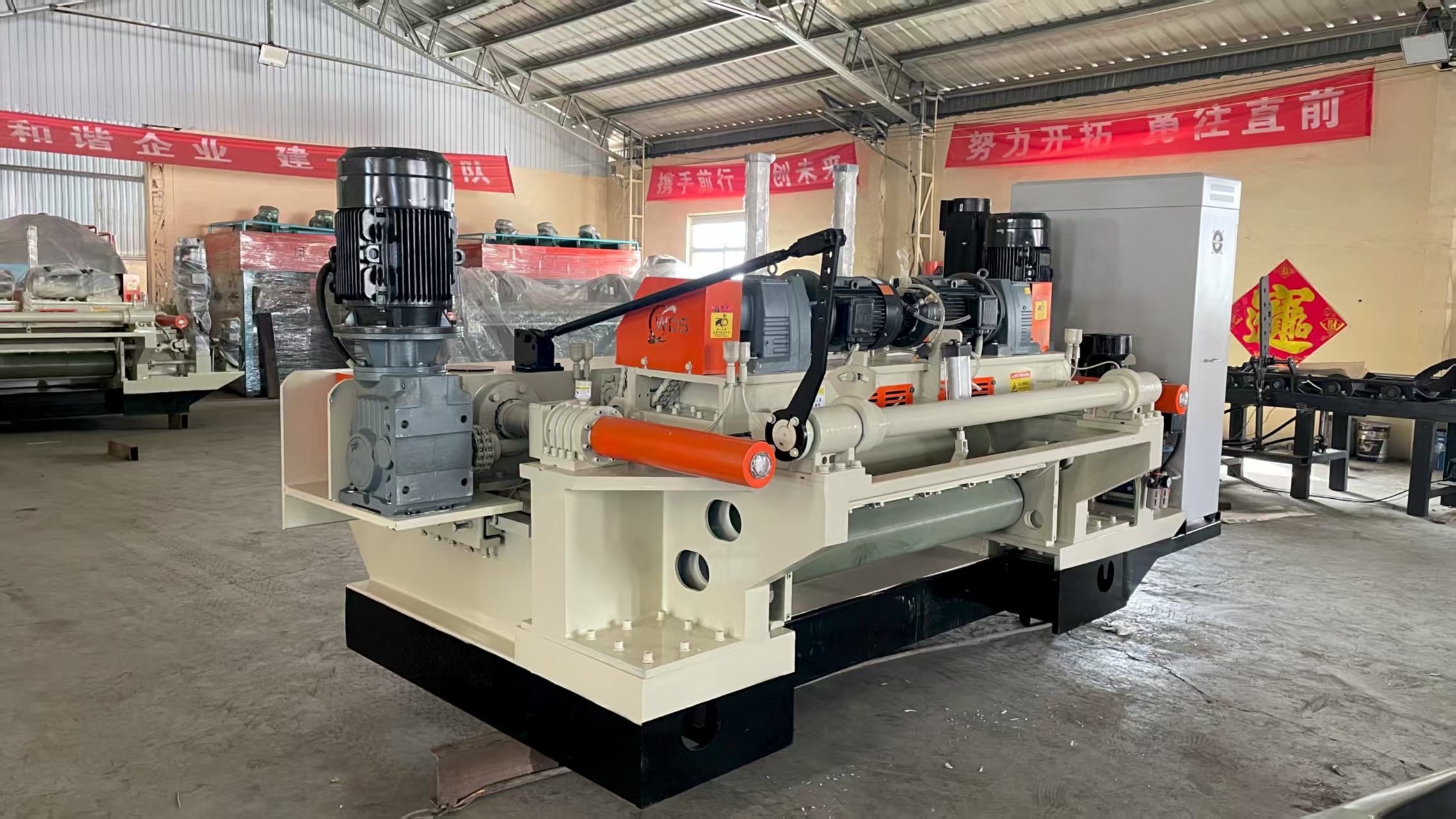
Guoyu Brand Softwood Rotary Peeling Machine Parameters
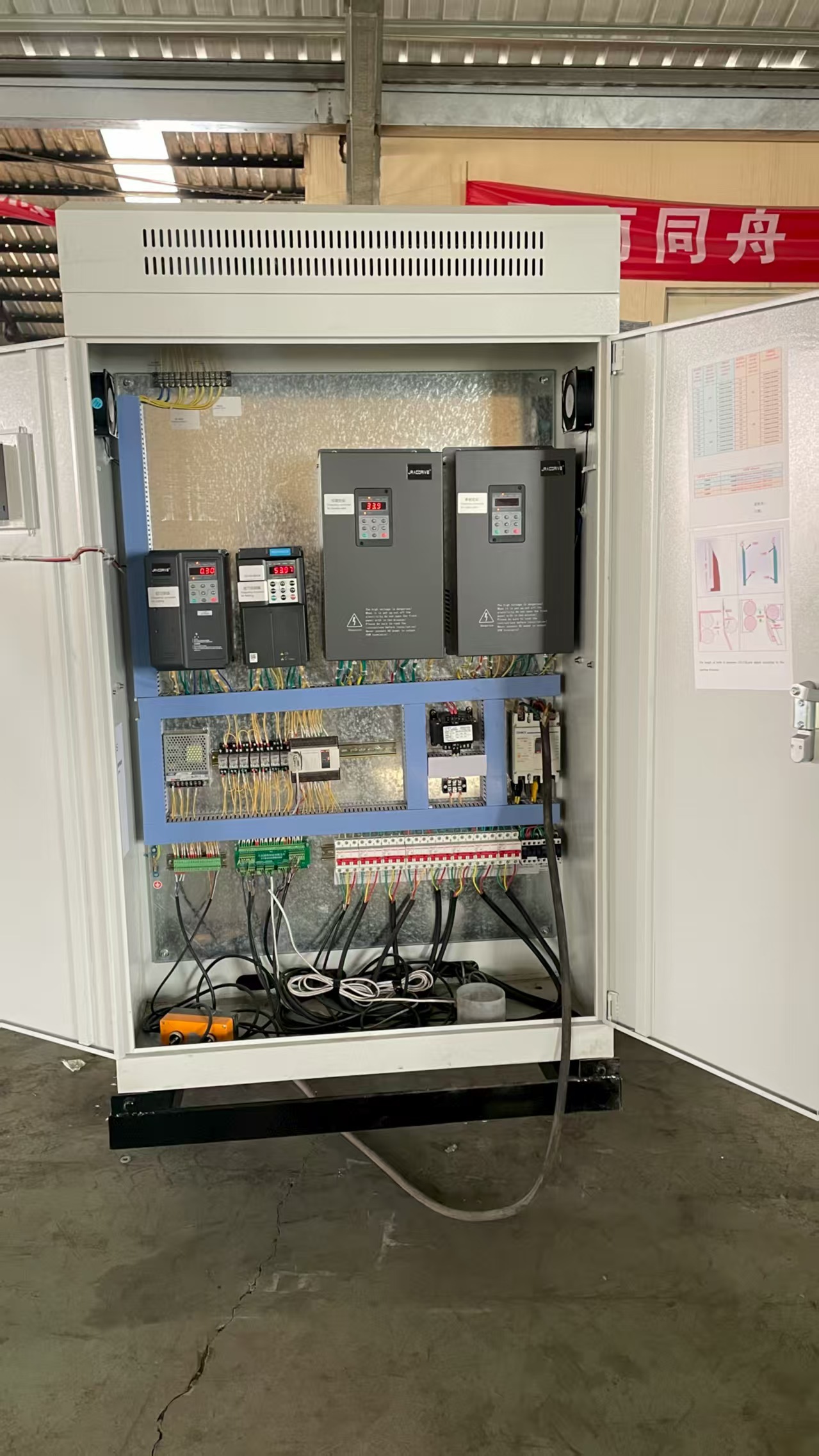
Feeding motor: 11 kW (Servo motor)
Double rollers: 11 kW × 2 pcs (Siemens motor)
Single rollers: 7.5 kW × 2 pcs (Siemens motor)
Rubber roller: 2.2 kW × 1 pc (Siemens motor)
Cutting motor: 4 kW (Servo motor)
Peeling thickness: 0.5 – 4.0 mm
Thickness tolerance: ±0.1 mm
Peeling speed: 100 m/min
Log diameter: 50 – 500 mm
Machine weight: 7 T
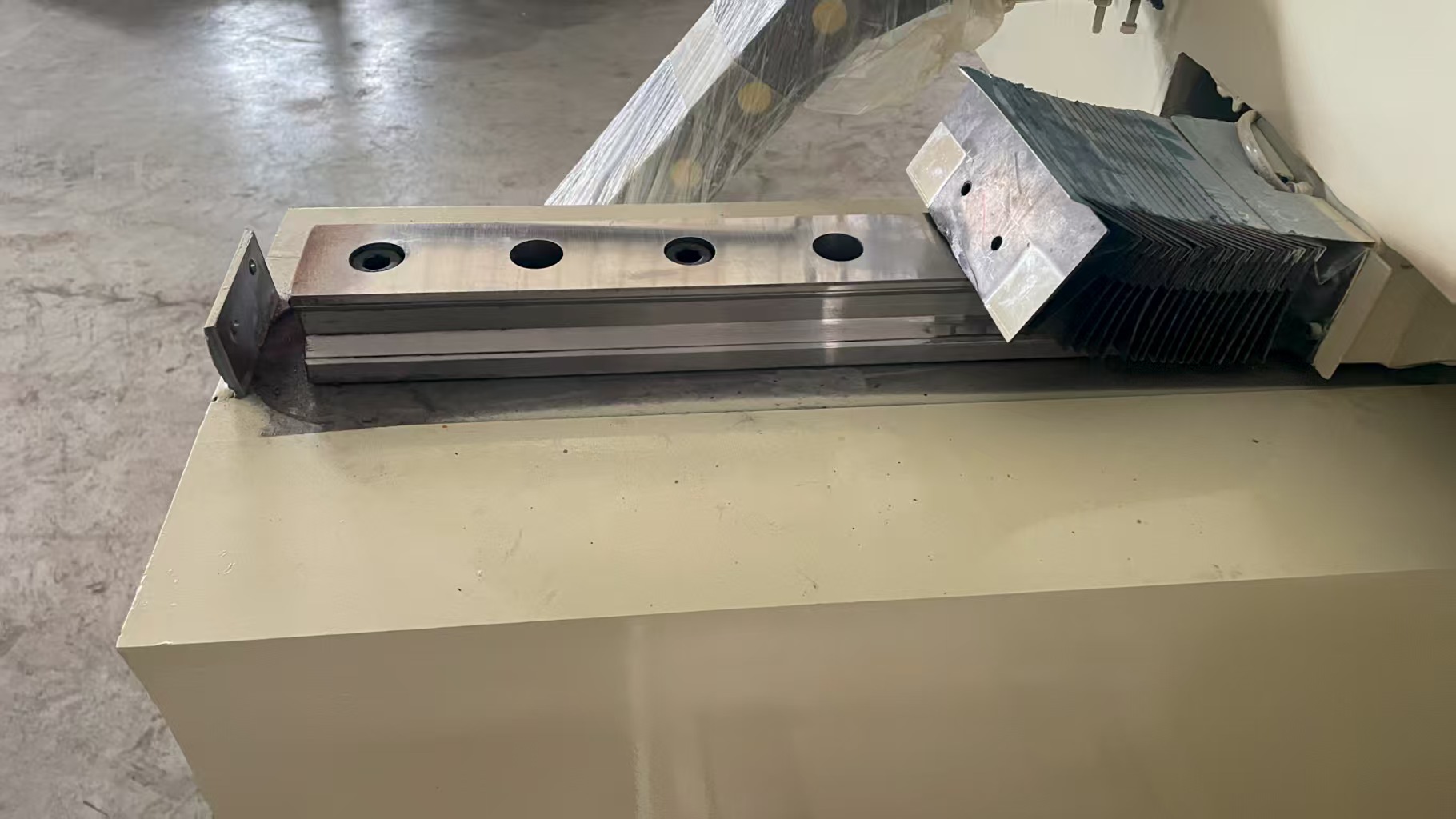
Why Guoyu Machine Use Linear Guide Rails in Wood Rotary Peeling Machines
Precision and Smooth Motion: Ensures the knife carriage moves accurately and consistently, producing uniform veneer thickness.
Enhanced Stability: Minimizes vibration during cutting, reducing tear-out and surface defects.
Durability and Longevity: Even load distribution decreases wear on components, extending machine service life.
Consistent Cutting Quality: Maintains precise knife alignment over long production runs, achieving tighter thickness tolerances.
Operational Efficiency: Supports higher peeling speeds without compromising veneer quality.