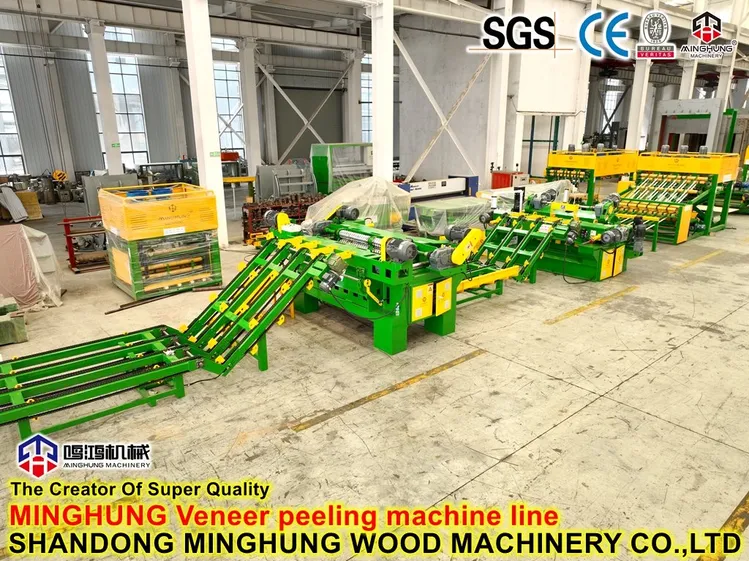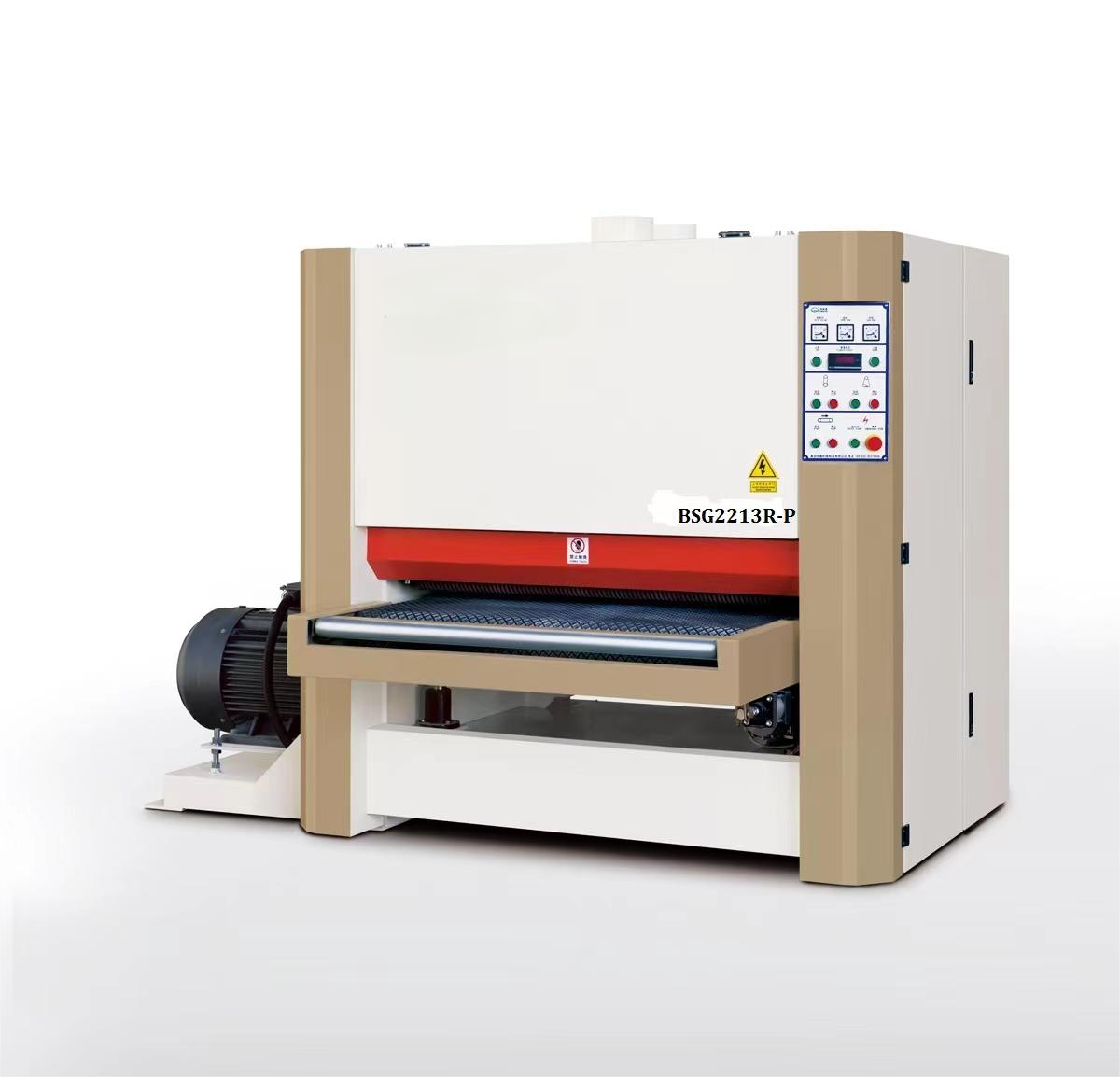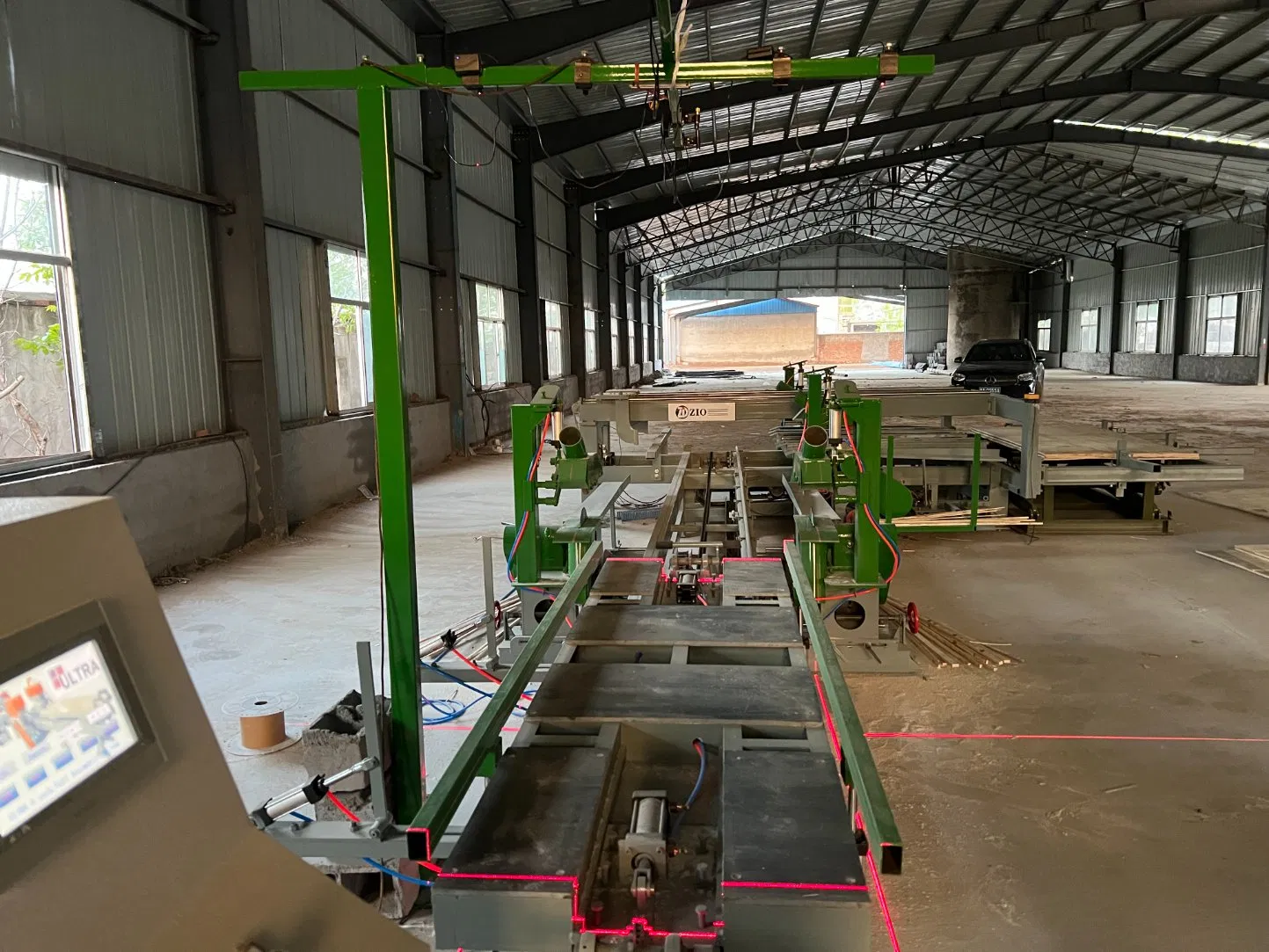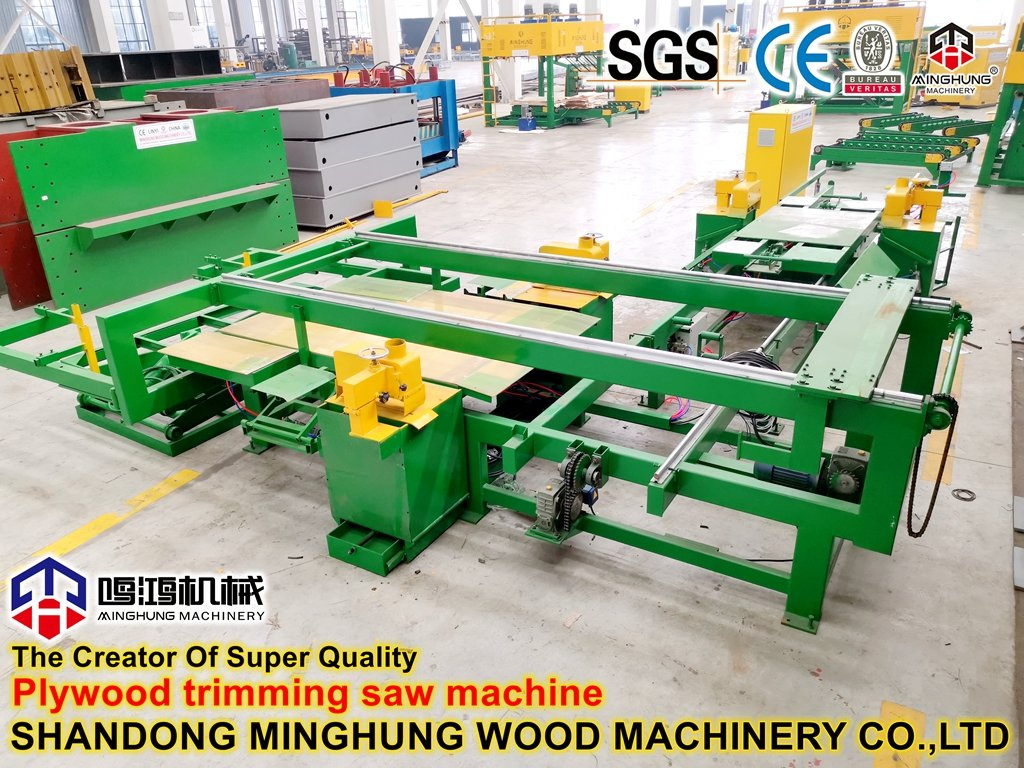

In the evolving landscape of wood-based panel production, plywood making machines have become pivotal in ensuring operational efficiency, long-term durability, and cost-effective output. As global demand rises, Chinese manufacturers continue to lead with advanced engineering, competitive pricing, and scalable solutions tailored for modern plywood plants. This 2026 review highlights the top 10 manufacturers renowned for innovation, robust machine performance, and strong manufacturing capabilities—helping industry buyers make informed sourcing decisions in an increasingly competitive market.
Top 10 Plywood Making Machine Manufacturers (2026 Review)
(Ranked by Technical Capability & Market Reputation)

Professional Buying Guide: Plywood Making Machinery
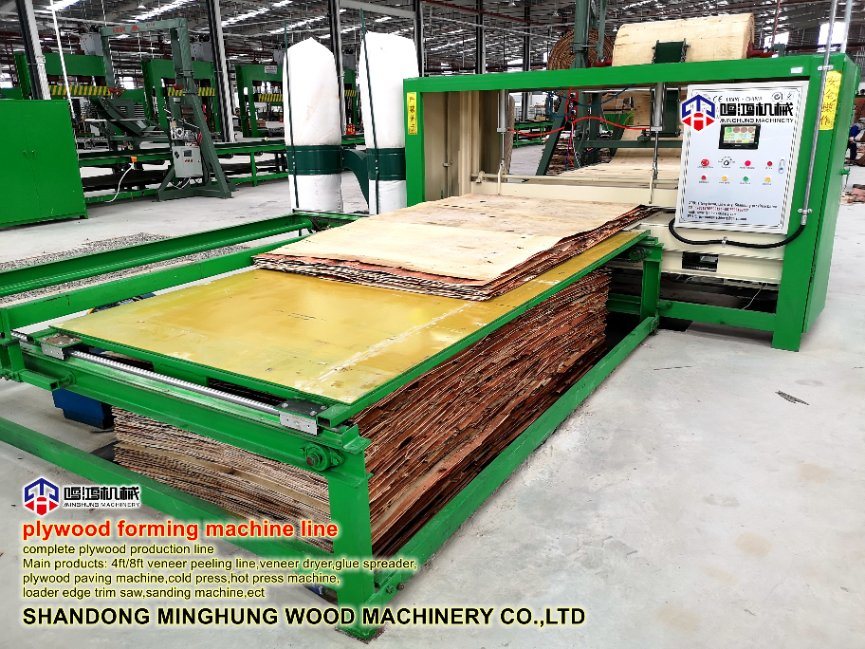
2026 Global Market Trends in Plywood Manufacturing: Automation, Energy Efficiency, High-Speed Production, and Labor Cost Reduction
Automation in Plywood Manufacturing
By 2026, automation is expected to play a central role in transforming the global plywood manufacturing sector. The integration of Industry 4.0 technologies—such as robotics, artificial intelligence (AI), and Internet of Things (IoT) platforms—is driving a shift from manual or semi-automated systems to fully integrated smart factories. Automated systems are increasingly being deployed in key stages of plywood production, including veneer sorting, glue application, lay-up, pressing, trimming, and quality inspection.
Advanced vision systems and machine learning algorithms are enabling real-time defect detection, improving product consistency and reducing waste. Automated material handling, such as robotic arms and conveyor systems synchronized with production lines, minimizes human intervention and increases throughput. Countries like Germany, South Korea, and China are leading in adopting automated plywood lines, setting benchmarks for efficiency and scalability.
Moreover, predictive maintenance powered by IoT sensors is helping reduce unplanned downtime, further enhancing operational reliability. As labor shortages persist in key markets, automation is becoming not just a competitive advantage but a necessity for sustainable growth.
Energy Efficiency as a Competitive Imperative
Energy efficiency is emerging as a critical factor in the 2026 plywood market, driven by rising energy costs, stricter environmental regulations, and growing corporate sustainability commitments. Plywood production is energy-intensive, particularly in veneer drying and hot pressing stages, which traditionally account for over 60% of total energy consumption.
Manufacturers are investing in energy-efficient drying technologies such as low-temperature drying systems, heat recovery units, and biomass-powered dryers that utilize wood waste as fuel. These systems not only reduce fossil fuel dependence but also lower greenhouse gas emissions. Additionally, modern hot presses with improved thermal insulation and variable frequency drives (VFDs) on motors are helping optimize energy use.
In Europe and North America, compliance with energy performance standards like ISO 50001 is accelerating the adoption of energy management systems (EnMS). Meanwhile, emerging markets such as India and Vietnam are leveraging government incentives to upgrade aging infrastructure with energy-saving technologies.
By 2026, energy-efficient plywood plants are expected to achieve up to 30% lower energy consumption per cubic meter of output, translating into significant cost savings and improved environmental credentials.
High-Speed Production to Meet Global Demand
Global demand for plywood—driven by growth in construction, furniture, and packaging sectors—is projected to rise steadily through 2026. To meet this demand, manufacturers are prioritizing high-speed production systems capable of delivering consistent quality at increased output rates.
Modern continuous press lines (e.g., Continuous Laminated Press or CLP) are replacing traditional batch presses, enabling non-stop operation with higher throughput and uniform panel quality. These systems can produce up to 3–5 times more output per hour compared to conventional multi-opening hot presses.
Additionally, high-speed rotary peelers and precision cutting systems are reducing cycle times in veneer preparation. Real-time process control systems synchronize various production stages, minimizing bottlenecks and maximizing line efficiency.
China, the world’s largest plywood producer, is at the forefront of high-speed line deployment, with many mills achieving production rates exceeding 30 m³/hour. Other regions, including Southeast Asia and Eastern Europe, are rapidly upgrading facilities to remain competitive in export markets.
High-speed production is not only increasing volume but also enabling mass customization, allowing manufacturers to respond more agilely to diverse market needs.
Labor Cost Reduction Through Technological Integration
Labor costs are a significant component of plywood manufacturing expenses, especially in regions with rising wages and tightening labor markets. By 2026, labor cost reduction is being achieved primarily through technological integration rather than workforce downsizing alone.
Automation and digitalization are reducing the need for manual labor in repetitive and hazardous tasks such as stacking, pressing, and sorting. For example, automated lay-up systems can replace dozens of workers while improving lay-up accuracy and reducing glue consumption.
In countries like Malaysia and Indonesia, where labor costs are increasing due to minimum wage adjustments, plywood producers are investing in semi-automated and fully automated lines to maintain profit margins. Similarly, in developed markets such as the U.S. and Germany, the scarcity of skilled labor is accelerating the shift toward smart, operator-assisted systems.
Remote monitoring and centralized control rooms allow fewer operators to oversee entire production lines, further reducing headcount requirements. Training programs focused on digital skills are helping transition the workforce into higher-value roles, aligning labor strategy with technological advancement.
Overall, by 2026, leading plywood manufacturers are expected to reduce direct labor costs by 25–40% through automation and process optimization, without compromising product quality or safety standards.
Conclusion
The 2026 global plywood manufacturing landscape is being reshaped by four interconnected trends: automation, energy efficiency, high-speed production, and labor cost reduction. These drivers are not isolated developments but part of a broader transformation toward smarter, more sustainable, and competitive production models. Companies that proactively invest in integrated technologies and operational innovation will be best positioned to lead in an increasingly demanding and dynamic market.
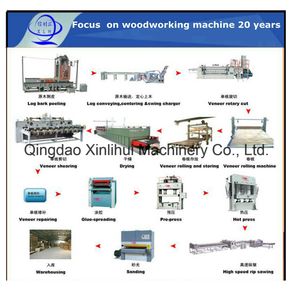
Key Evaluation Criteria for High-Quality Plywood Making Machinery
When assessing the quality and reliability of plywood making equipment, several critical factors determine long-term performance, efficiency, and return on investment. Below are essential check points to consider:
Steel Structure Durability
The steel frame forms the backbone of the plywood production line. A high-quality machine must feature a robust, precision-welded steel structure designed to withstand continuous operational stress and vibration. Look for thick-gauge, anti-corrosion treated steel, often powder-coated or galvanized, to ensure longevity. A rigid structure minimizes misalignment during pressing and veneer processing, directly impacting panel consistency and product quality.
Motor Brand and Performance (e.g., Siemens, Mitsubishi)
The motors powering the conveyor systems, hot presses, and veneer peelers significantly affect machine reliability and energy efficiency. Reputable brands like Siemens, Mitsubishi, ABB, or SEW are industry benchmarks for durability, precision control, and low maintenance. Machines equipped with motors from these manufacturers typically offer better speed regulation, thermal protection, and longer service life—critical for uninterrupted 24/7 production cycles.
PLC Control System
A sophisticated Programmable Logic Controller (PLC) system is vital for automation, process accuracy, and fault diagnostics. High-end plywood lines use PLCs from trusted manufacturers such as Siemens, Mitsubishi, or Omron. These systems enable precise control over pressing time, temperature, pressure, and sequencing. Features like touch-screen HMI interfaces, real-time monitoring, data logging, and remote troubleshooting enhance operational efficiency and reduce downtime.
Spare Parts Availability
The accessibility of spare parts is a crucial indicator of long-term machine support. Choose equipment from manufacturers or suppliers with a global or regional service network and readily available inventories of wear components (e.g., heating elements, belts, rollers, sensors). Machines using standardized components from recognized brands (e.g., Siemens motors, Mitsubishi PLCs) simplify sourcing and reduce machine downtime, ensuring consistent production output.
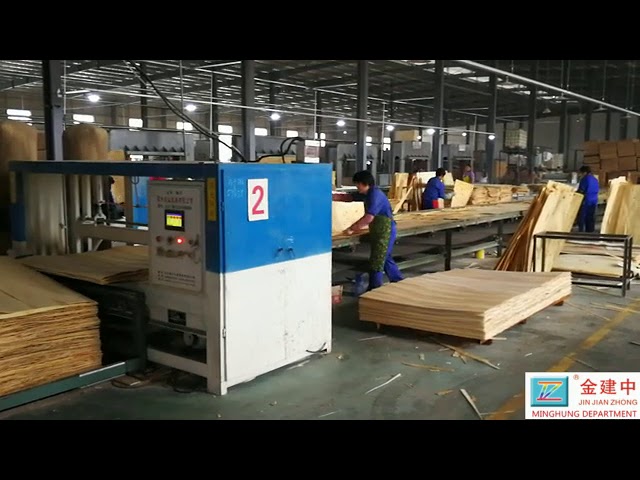
Guide for Importing Plywood Making Machinery from China: Key Considerations
When importing plywood making machinery from China, it’s essential to carefully evaluate several critical factors to ensure smooth operation, safety, and long-term reliability. Below are important aspects to consider, including voltage compatibility, installation support, warranty terms, and spare parts availability.
Voltage Requirements (380V/220V)
Chinese manufacturing equipment is typically designed to operate on 380V three-phase power, which is standard in industrial settings across China. However, voltage standards vary by country—many regions use 220V or 400V systems. Before placing an order:
- Confirm the machine’s voltage and phase requirements with the supplier. Ensure it matches your local power supply.
- If your facility uses 220V single-phase or a different frequency (e.g., 60Hz vs. 50Hz), request a customized machine or plan for a step-up transformer.
- Ask for electrical schematics and motor specifications to assess compatibility.
- Verify that control panels and auxiliary components (e.g., motors, heaters, pumps) are rated for your voltage and frequency.
Failure to address voltage mismatch can lead to equipment damage, safety hazards, and non-compliance with local electrical codes.
Installation and Commissioning Support
Proper installation is crucial for optimal machine performance and safety. Clarify the level of support provided by the Chinese supplier:
- On-site installation services: Confirm if the supplier offers technician派遣 (dispatch) for on-site setup, machine leveling, and operational testing. Be prepared for associated travel and labor costs.
- Remote support: Many suppliers provide video call assistance, manuals, and troubleshooting guides. Ensure documentation is available in English or your preferred language.
- Training: Request operator and maintenance training to reduce downtime and prevent misuse.
- Timeline: Discuss installation timelines and coordination with shipping to avoid delays.
Consider engaging a local industrial machinery installer if the supplier cannot provide hands-on support.
Warranty Terms and Coverage
Warranty conditions can vary significantly between Chinese manufacturers. Scrutinize the following:
- Duration: Typical warranties range from 12 to 24 months for core components (e.g., motors, main frames).
- Coverage: Clarify what is included—commonly covered items include manufacturing defects and mechanical failures. Consumables (e.g., blades, belts) and damage due to misuse are usually excluded.
- Service Response: Understand the process for warranty claims—will parts be shipped quickly? Is technical support available in your time zone?
- On-site vs. Return: Determine if warranty repairs require returning parts to China or if local service is authorized.
Always get warranty terms in writing and include them in the purchase contract.
Spare Blade and Parts Kits
Downtime can be costly, so having spare parts readily available is vital:
- Request a comprehensive spare parts list from the supplier, including blades, bearings, belts, seals, and electrical components.
- Purchase a starter kit of commonly replaced items (especially cutting blades, which wear quickly) along with your machine to avoid long shipping delays.
- Confirm part compatibility and availability for future orders—ask about lead times and minimum order quantities.
- Verify if the supplier offers long-term parts support and whether third-party alternatives are available.
- Store spare blades in a dry, secure environment to prevent corrosion and damage.
Proactive spare parts management ensures continuous operation and extends the machine’s lifespan.
By addressing these key areas—voltage compatibility, installation support, warranty coverage, and spare parts—you can make a well-informed decision when importing plywood making machinery from China and ensure a successful integration into your production line.
In conclusion, sourcing a plywood making machine from China can offer significant cost advantages and access to advanced manufacturing technology. However, it is essential to conduct thorough due diligence to ensure product quality, safety, and compliance with international standards. A critical step in this process is verifying that the machine carries a valid CE certification, which confirms adherence to European health, safety, and environmental protection requirements. Additionally, arranging for pre-shipment testing of the machine—either through a third-party inspection or by visiting the supplier’s facility—helps confirm that the equipment operates as specified and meets your production needs. By prioritizing CE certification and hands-on testing before shipment, buyers can minimize risks, ensure reliability, and make a confident, informed investment in their plywood manufacturing operations.