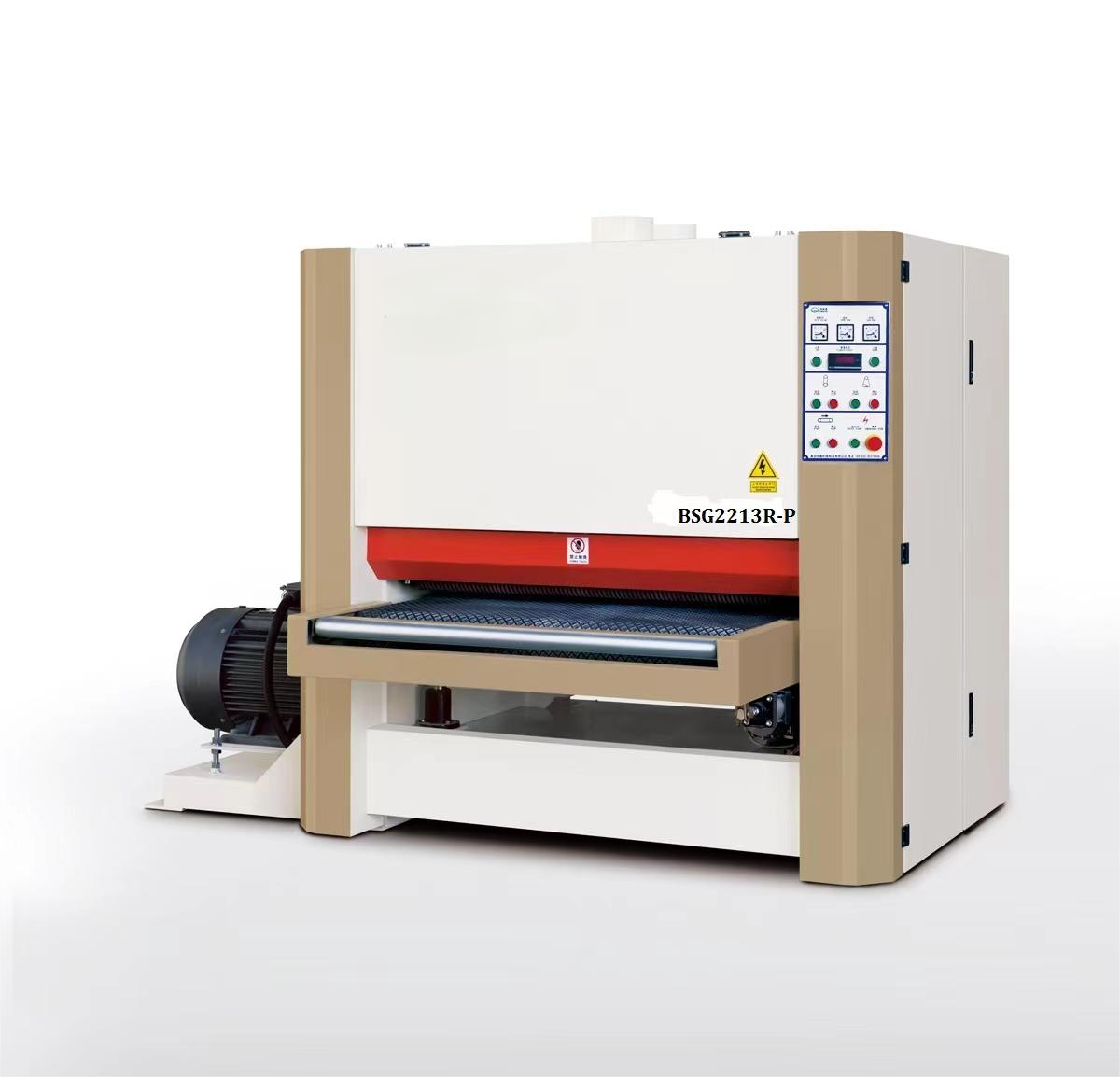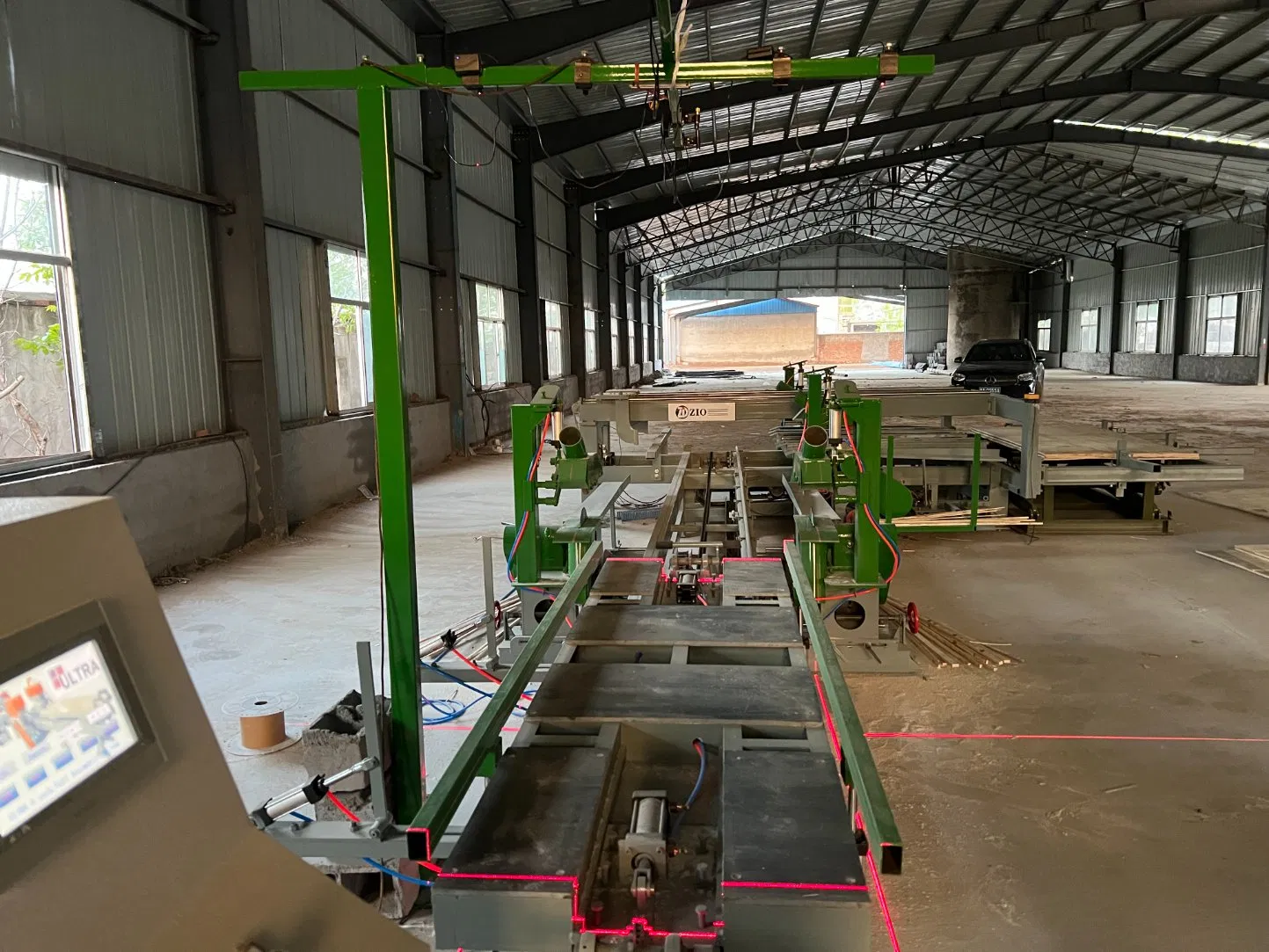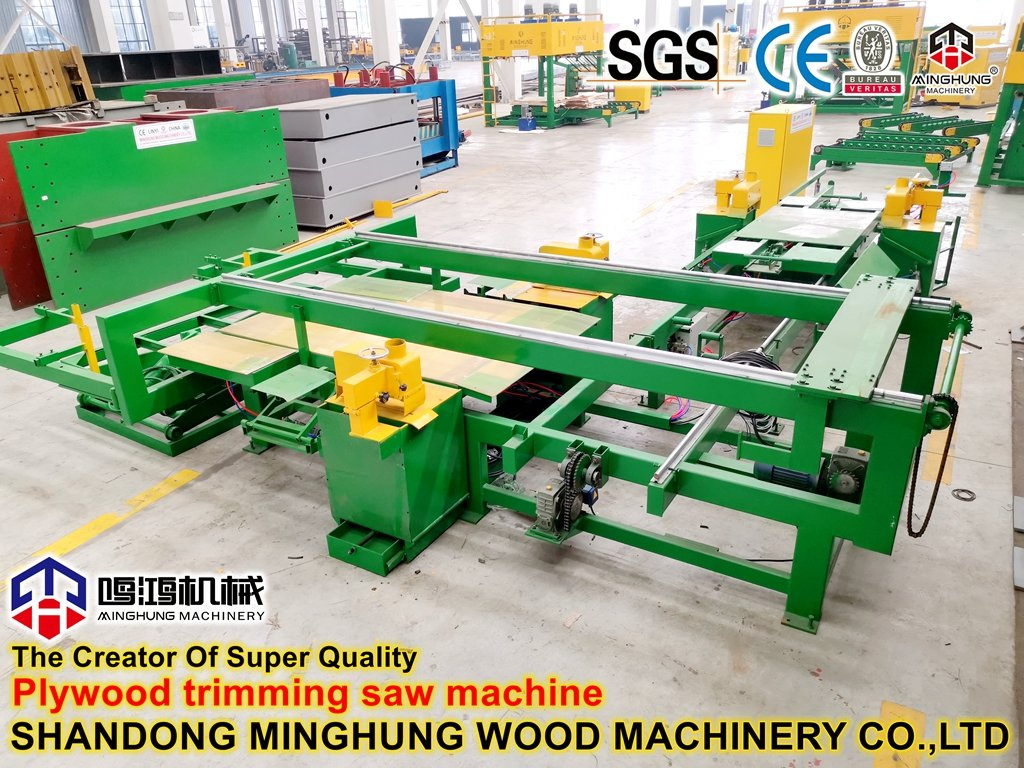

In the competitive landscape of wood processing machinery, rotary peeling lathe manufacturers continue to set new benchmarks in efficiency, durability, and precision engineering. As demand for high-performance veneer production grows globally, Chinese manufacturers have emerged as key players, combining advanced technology with scalable, cost-effective manufacturing capabilities. This 2026 review highlights the top three rotary peeling lathe manufacturers leading the industry with innovative solutions designed for maximum operational reliability and long-term productivity.
Top 3 Rotary Peeling In Machine Manufacturers (2026 Review)
(Ranked by Technical Capability & Market Reputation)
Professional Buying Guide: Rotary Peeling In Machinery
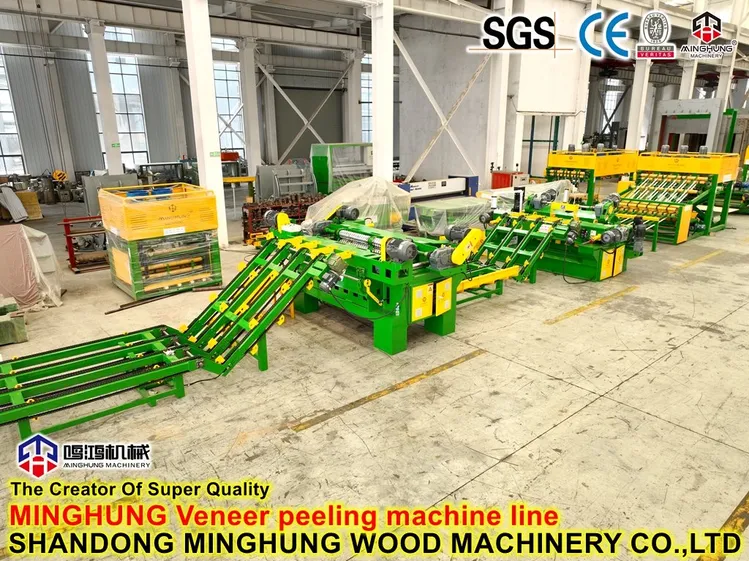
2026 Global Market Trends for Rotary Peeling: Focus on Automation, Energy Efficiency, High-Speed Production, and Labor Cost Reduction
As the global demand for processed wood, veneer, and plywood continues to expand, the rotary peeling industry is undergoing a significant transformation. By 2026, key market trends are centering on technological advancement and operational efficiency, with a strong emphasis on automation, energy efficiency, high-speed production, and labor cost reduction. These factors are reshaping manufacturing strategies, especially in major wood-producing regions including North America, Europe, and Asia-Pacific.
Automation in Rotary Peeling Systems
Automation is emerging as a cornerstone of modern rotary peeling operations. By 2026, an increasing number of manufacturers are integrating smart control systems, AI-driven monitoring, and robotic material handling into their peeling lines. Automated log positioning, real-time thickness adjustment, and defect detection systems are enhancing precision and minimizing waste.
Advanced sensors and machine vision technologies allow for continuous monitoring of log diameter, moisture content, and grain orientation, enabling adaptive control of the peeling knife. This results in more consistent veneer quality and reduced downtime. Fully integrated automation platforms are also enabling remote diagnostics and predictive maintenance, improving overall equipment effectiveness (OEE).
The adoption of Industry 4.0 principles—such as digital twins and cloud-based data analytics—is expected to accelerate, especially among large-scale producers looking to optimize throughput and reduce human intervention.
Energy Efficiency as a Competitive Advantage
Energy consumption is a major operational cost in rotary peeling, particularly in log conditioning (steaming or heating) and lathe motor systems. By 2026, energy efficiency has become a key differentiator in the global market, driven by rising energy prices and stricter environmental regulations.
Manufacturers are investing in energy-efficient motors, variable frequency drives (VFDs), and heat recovery systems. For instance, waste heat from steam used in log pre-treatment is being captured and reused in kiln drying or facility heating. Additionally, new lathe designs are incorporating regenerative braking systems to recover kinetic energy during deceleration.
There is also a growing shift toward hybrid or electric-powered peeling systems in regions with access to renewable energy. These innovations not only reduce carbon emissions but also lower long-term operating costs, enhancing sustainability credentials and compliance with ESG (Environmental, Social, and Governance) standards.
High-Speed Production to Meet Growing Demand
Global demand for veneer and engineered wood products is projected to grow at a CAGR of 5.2% through 2026, driven by construction, furniture, and packaging industries. To meet this demand, rotary peeling lines are being redesigned for high-speed operation without compromising veneer quality.
Next-generation lathes are capable of peeling speeds exceeding 150 meters per minute, enabled by high-torque servo motors and advanced knife-holding mechanisms. These systems are synchronized with high-speed conveyors, sorting tables, and clipping lines to maintain throughput.
Moreover, continuous feeding systems and optimized log rotation dynamics reduce cycle time between logs. Integrated quality control systems ensure that high-speed production does not lead to increased defect rates. As a result, manufacturers are achieving higher yields and faster turnaround times, improving competitiveness in export markets.
Labor Cost Reduction Through Technological Integration
Labor costs are a significant component of operational expenses in the rotary peeling industry, particularly in regions with rising wages and labor shortages. By 2026, companies are leveraging automation and digitalization to reduce dependency on manual labor.
Robotic arms now handle log loading, positioning, and veneer stacking, minimizing the need for human operators in hazardous or repetitive tasks. Supervisory control and data acquisition (SCADA) systems allow a single operator to monitor multiple peeling lines, increasing labor productivity.
In emerging markets where labor is still relatively inexpensive, the long-term trend is toward preemptive automation to future-proof operations against rising wage pressures and improve consistency. Training programs are being introduced to upskill workers for roles in system monitoring and maintenance, shifting the workforce from manual labor to technical oversight.
Conclusion
By 2026, the global rotary peeling market is being redefined by a convergence of automation, energy efficiency, high-speed production, and labor cost reduction. These trends are not only improving economic performance but also aligning the industry with sustainability goals and digital transformation. Companies that invest in integrated, intelligent peeling systems will lead the market, while laggards risk obsolescence in an increasingly competitive and technology-driven landscape.
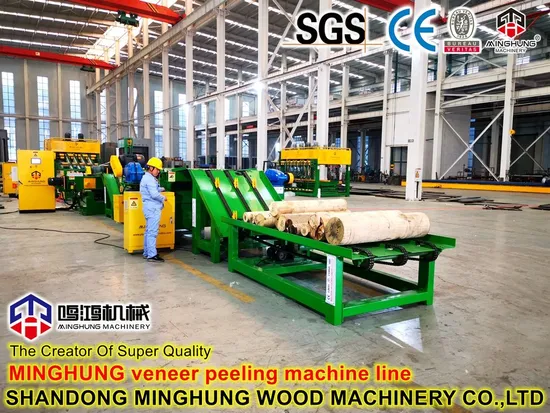
How to Evaluate a High-Quality Rotary Peeling Machine
When selecting a rotary peeling machine for industrial wood processing, assessing key components ensures reliability, efficiency, and long-term performance. Focus on the following critical check points:
Steel Structure Durability
A robust steel frame is essential for withstanding continuous operational stress and vibrations. Examine the machine’s construction for thick-gauge, high-tensile steel, especially in load-bearing areas like the base, support beams, and carriage system. Welded joints should be smooth, consistent, and reinforced. Look for anti-corrosion treatments such as powder coating or galvanization to enhance longevity, particularly in humid or high-moisture environments.
Motor Brand and Performance (e.g., Siemens, Mitsubishi)
The drive motor significantly influences machine efficiency and uptime. High-quality rotary peelers typically use motors from reputable global brands like Siemens or Mitsubishi, known for energy efficiency, durability, and precise speed control. Verify the motor specifications match the machine’s workload requirements and ensure it includes protection features such as thermal overload and variable frequency drives (VFD) for smooth operation and reduced wear.
PLC Control System
A modern Programmable Logic Controller (PLC) system ensures accurate and automated operation. Look for well-established PLC brands (e.g., Siemens, Allen-Bradley, or Mitsubishi) that offer user-friendly interfaces, real-time monitoring, and programmable settings for different log diameters and veneer thicknesses. A reliable PLC improves consistency, reduces operator error, and enables diagnostics and maintenance alerts.
Spare Parts Availability
Long-term machine uptime depends on the ready availability of spare parts. Choose a manufacturer or supplier that offers comprehensive support, including a documented spare parts list, local or global distribution networks, and technical assistance. Machines using standardized components from major brands (e.g., bearings, belts, sensors) are easier and more cost-effective to maintain. Confirm the lead time for critical components to avoid extended downtime.
Evaluating these four areas—steel structure durability, motor brand, PLC control system, and spare parts availability—ensures you select a high-quality rotary peeling machine built for performance, reliability, and sustainable operation.
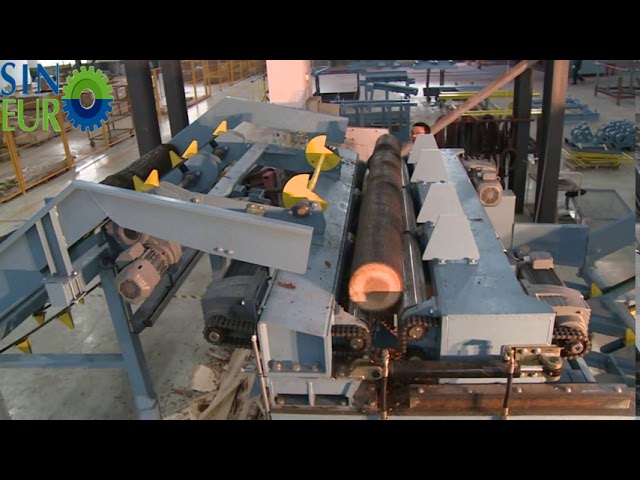
Guide for Importing Rotary Peeling Machines from China
Importing rotary peeling machines from China can be a cost-effective solution for your production needs. To ensure a smooth process and long-term operational success, it’s important to address key factors such as voltage compatibility, installation support, warranty coverage, and spare parts availability. Below is a comprehensive guide covering these essential aspects.
Voltage Requirements (380V/220V)
-
Confirm Voltage Compatibility: Chinese rotary peeling machines are typically manufactured for 380V 3-phase power, which is standard in industrial settings in China. However, some models may offer dual voltage options (380V/220V) or customization.
-
Verify Your Local Power Supply: Before ordering, ensure your facility supports 380V 3-phase power. If your region uses 220V or single-phase power, request a machine with a compatible motor or a built-in voltage converter.
-
Request Electrical Specifications: Ask the supplier for detailed electrical schematics, motor ratings, and control panel specifications. Ensure compliance with your country’s electrical standards (e.g., CE, UL, or local certifications).
-
Consider a Voltage Transformer: If the machine requires 380V but your facility uses 220V, budget for and install a step-up transformer. Confirm with the supplier if the machine can operate efficiently with such a setup.
Installation Support
-
Pre-Shipment Documentation: Request comprehensive installation manuals, wiring diagrams, and setup videos from the supplier. Ensure all documents are provided in English or your preferred language.
-
On-Site or Remote Assistance: Negotiate with the supplier whether they offer:
- On-site technician support for installation and commissioning (usually at an additional cost).
- Remote video guidance via platforms like Zoom or WeChat.
-
Training for your maintenance and operations team.
-
Foundation and Space Requirements: Confirm machine dimensions, weight, and foundation requirements (e.g., concrete mounting, vibration isolation) to prepare your facility in advance.
-
Logistics Coordination: Work with a freight forwarder experienced in handling heavy machinery. Ensure the machine is securely crated and includes lifting points for safe unloading.
Warranty Terms
-
Standard Warranty Period: Most Chinese manufacturers offer a 12-month warranty on parts and workmanship. Clarify whether this starts from the date of shipment or delivery.
-
Covered Components: Confirm what is included—typically motors, gearboxes, control systems, and structural components. Consumables like blades or belts may be excluded.
-
Exclusions and Limitations: Review exclusions such as damage from improper installation, voltage fluctuations, or unauthorized modifications.
-
Warranty Claim Process: Understand the procedure for filing claims—whether parts are shipped directly, or if technical support is provided for diagnostics. Clarify who bears shipping costs for warranty replacements.
-
Extended Warranty Options: Inquire about purchasing extended warranty packages for added protection, especially if the machine is critical to your operations.
Spare Blade and Parts Kits
- Order a Starter Spare Parts Kit: Request a comprehensive spare parts kit with your initial purchase. This should include:
- Extra peeling blades (carbide or stainless steel, depending on model).
- Belts, bearings, seals, and common wear components.
-
Fuses, relays, and electrical connectors.
-
Blade Compatibility and Lifespan: Confirm blade type, dimensions, and expected lifespan based on your material (e.g., wood, veneer). Ask about resharpening options or replacement costs.
-
Inventory Management: Maintain a stock of critical spares to minimize downtime. Work with the supplier to establish a reorder system or stocking agreement.
-
Long-Term Parts Availability: Verify that the manufacturer will continue to supply spare parts for at least 5–10 years. Request a parts catalog with clear part numbers and pricing.
-
After-Sales Support: Confirm the supplier’s responsiveness to spare parts orders and typical delivery times (especially for international shipping).
By carefully addressing voltage requirements, securing reliable installation support, understanding warranty terms, and ensuring spare parts availability, you can confidently import and operate a rotary peeling machine from China with minimal disruption and optimal performance. Always conduct due diligence on suppliers, ideally through site visits or third-party inspections, to ensure quality and reliability.
In conclusion, sourcing a rotary peeling machine from a manufacturer in China can offer significant cost advantages and access to advanced manufacturing capabilities. However, to ensure product quality, safety, and compliance with international standards, it is crucial to partner with reputable suppliers who provide valid CE certification. This certification confirms that the machine meets essential health, safety, and environmental protection requirements within European markets and reflects a level of engineering rigor that benefits any buyer. Additionally, always insist on machine testing prior to shipment—this step verifies operational performance, detects potential defects, and ensures the equipment functions according to your specifications. Taking these precautions not only mitigates risks but also promotes a smooth, reliable procurement process and long-term satisfaction with your investment.