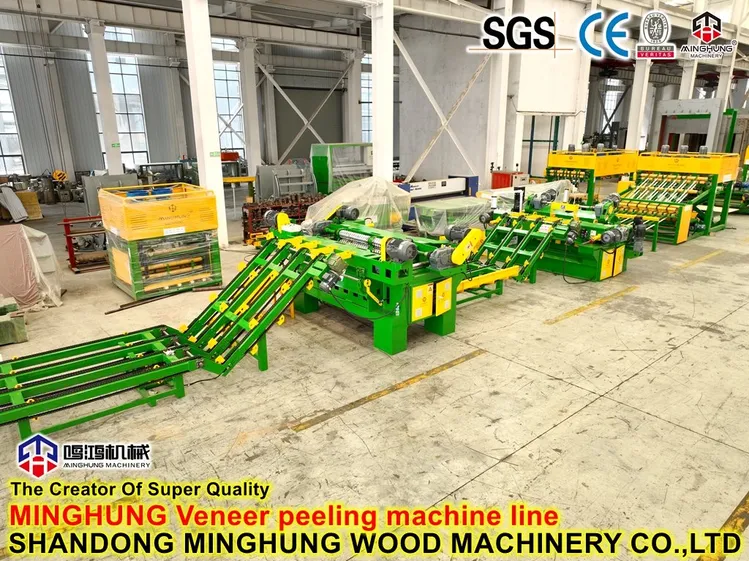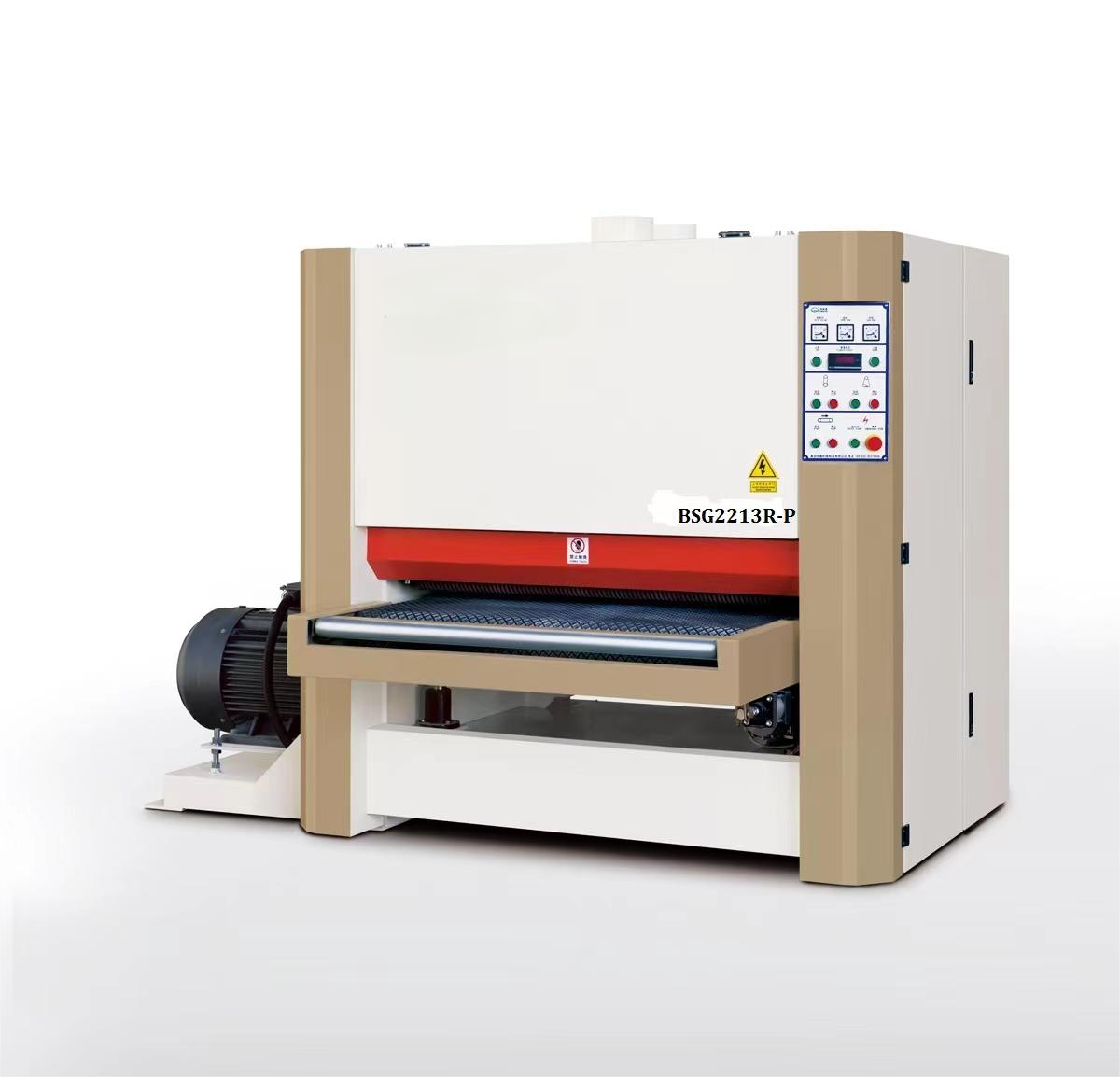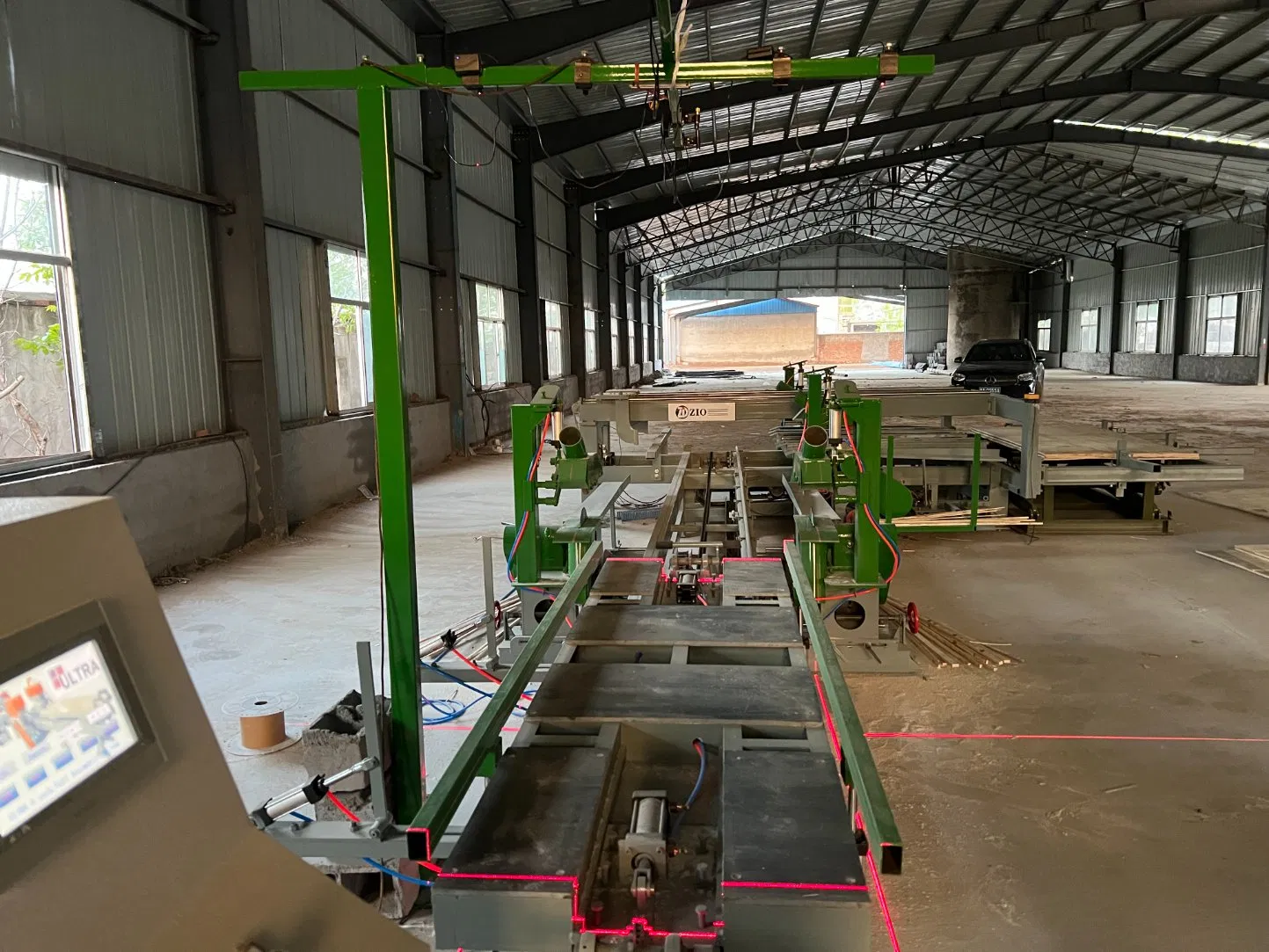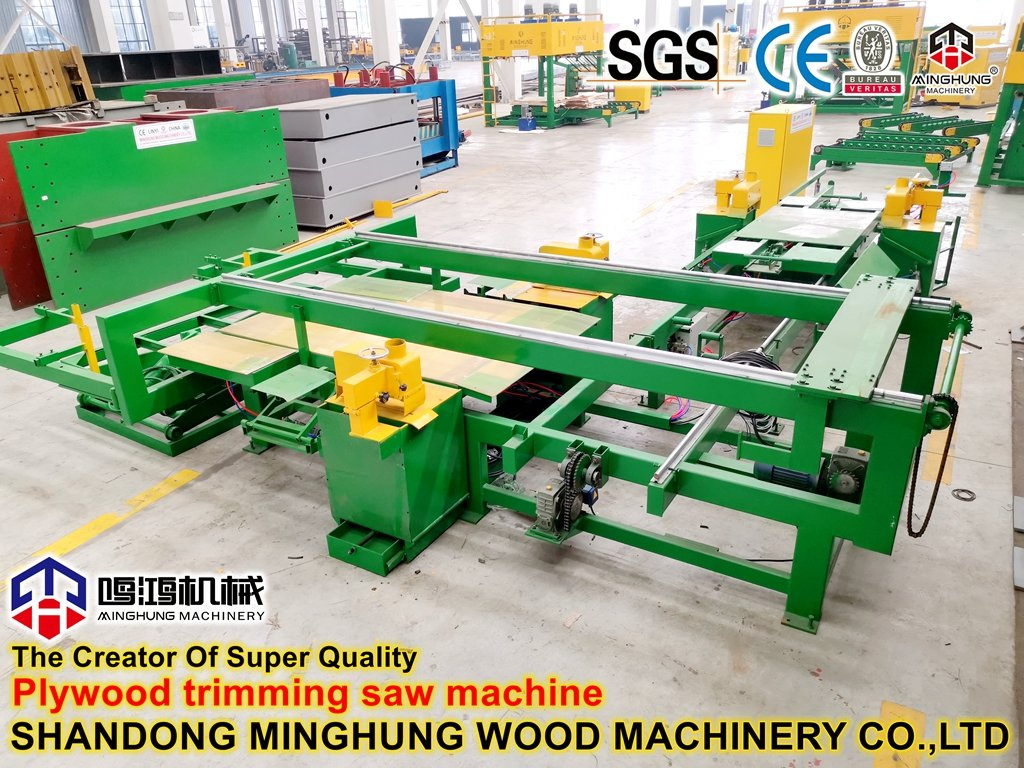

In the competitive world of wood processing, veneer peeling lathe machines are critical for maximizing yield and precision. As demand for high-efficiency, durable machinery grows, Chinese manufacturers continue to strengthen their position as global leaders in innovation and cost-effective production. This 2026 review highlights the top three veneer peeling lathe machine manufacturers excelling in performance, build quality, and advanced engineering—delivering reliable solutions that balance operational efficiency with long-term durability for modern plywood and veneer operations.
Top 3 Veneer Peeling Lathe Machine Manufacturers (2026 Review)
(Ranked by Technical Capability & Market Reputation)
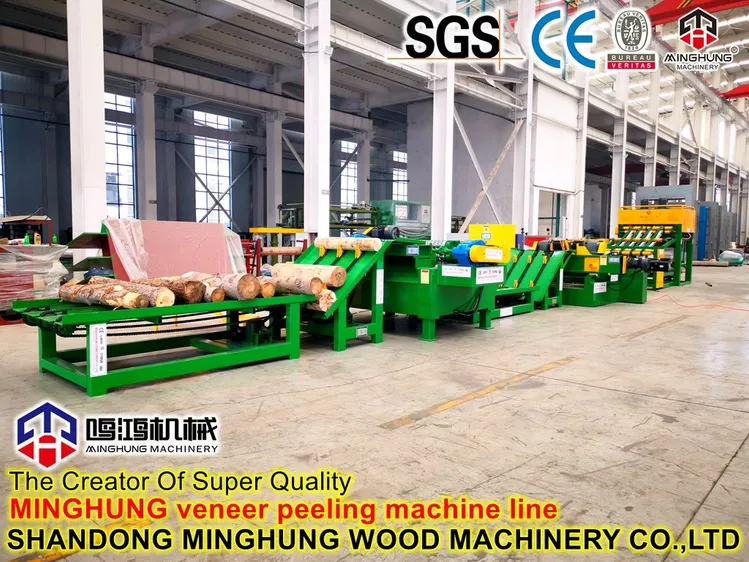

Professional Buying Guide: Veneer Peeling Lathe Machinery
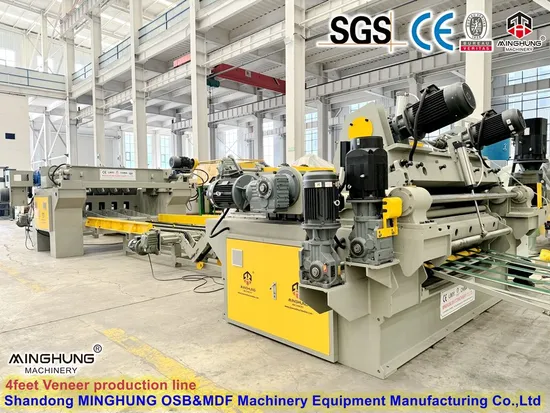
2026 Global Market Trends for Veneer Peeling Lathe: Automation, Energy Efficiency, High-Speed Production, and Labor Cost Reduction
Automation Driving Operational Efficiency and Precision
By 2026, automation is expected to be the cornerstone of innovation in the global veneer peeling lathe market. Manufacturers are increasingly integrating advanced control systems—such as CNC (Computer Numerical Control), AI-driven monitoring, and IoT-enabled diagnostics—into their machinery. Automated veneer peeling lathes now feature real-time thickness measurement, automatic knife positioning, and adaptive log centering systems that significantly reduce human intervention.
This shift enhances consistency in veneer quality and minimizes material waste. For example, AI-powered edge detection systems ensure optimal peeling angles based on log characteristics, boosting yield by up to 15%. Additionally, automated loading and log positioning systems streamline workflow from raw log to continuous veneer ribbon, improving throughput and reducing downtime. As industries seek higher repeatability and lower defect rates, the demand for fully automated peeling lathes—especially in large-scale plywood and engineered wood facilities—is projected to grow at a CAGR of over 8% through 2026.
Energy Efficiency as a Strategic Competitive Advantage
Energy efficiency has emerged as a critical differentiator in the design and operation of modern veneer peeling lathes. With increasing regulatory pressure and rising energy costs, especially in Europe and North America, manufacturers are prioritizing low-energy-consumption technologies. By 2026, energy-optimized lathes featuring variable frequency drives (VFDs), regenerative braking systems, and high-efficiency servomotors are expected to dominate premium market segments.
New hybrid drive systems combine hydraulic precision with electric efficiency, reducing power consumption by up to 30% compared to traditional models. Moreover, smart energy management systems monitor usage patterns and optimize motor load dynamically, contributing to lower operational costs and reduced carbon footprints. Certification programs such as ISO 50001 and EU Ecodesign directives are pushing OEMs to incorporate energy performance data into product specifications, making efficiency a key purchasing criterion for environmentally conscious and cost-driven buyers alike.
High-Speed Production Meeting Demand for Volume and Versatility
The global demand for wood veneer—fueled by growth in furniture, interior design, and construction industries—continues to drive the need for high-speed production capabilities. By 2026, next-generation veneer peeling lathes are expected to operate at rotational speeds exceeding 1,200 RPM, enabling continuous peeling rates of over 150 meters per minute without compromising veneer integrity.
Advanced spindle designs, lightweight yet durable materials (such as carbon-fiber-reinforced components), and precision-balanced rotating assemblies are key enablers of this performance leap. High-speed lathes are also being equipped with rapid-change knife systems and automated tension control, allowing quick transitions between veneer thicknesses and species. This versatility is particularly valuable for multi-product manufacturers serving diverse markets. As downstream processing technologies (like hot presses and veneer stackers) also evolve to match these speeds, the integration of high-speed peeling lines will become standard in modern wood processing plants.
Labor Cost Reduction Through Smart Manufacturing Integration
Labor cost reduction remains a primary driver of technology adoption in the veneer industry, especially in emerging economies where wage inflation is accelerating. By 2026, smart manufacturing solutions integrated into veneer peeling lathes will drastically reduce reliance on skilled manual labor. Fully automated lines can operate with minimal supervision, requiring only periodic maintenance and quality checks.
Remote monitoring, predictive maintenance alerts, and cloud-based performance analytics allow operators to manage multiple machines from centralized control rooms. This reduces the need for on-site technical staff and mitigates the risks associated with labor shortages. In countries like China, India, and Vietnam, where labor costs are rising but automation investment is increasing, the payback period for automated lathes is shrinking to under three years. Furthermore, reduced human interaction lowers workplace injury risks, contributing to lower insurance and compliance costs.
In conclusion, the 2026 global market for veneer peeling lathes will be defined by intelligent automation, energy-conscious engineering, high-speed performance, and significant labor savings. Manufacturers who embrace these trends will gain competitive advantages in productivity, sustainability, and profitability, positioning themselves as leaders in the evolving wood processing landscape.
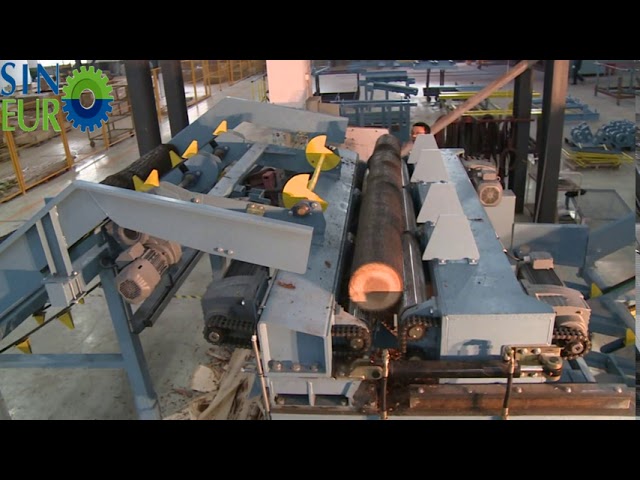
How to Evaluate a High-Quality Veneer Peeling Lathe
When selecting a veneer peeling lathe for your production line, assessing key components ensures long-term reliability, efficiency, and minimal downtime. Focus on the following critical check points:
Steel Structure Durability
A robust steel frame is essential for maintaining precision and stability during high-speed operation. Inspect the lathe’s main structure for thick-gauge, high-tensile steel construction with reinforced stress points. Look for a welded, non-weld-cracked design that resists deformation over time. A well-built frame reduces vibration, enhances cutting accuracy, and extends the machine’s service life—especially under continuous heavy loads.
Motor Brand (e.g., Siemens/Mitsubishi)
The drive motor directly impacts performance and reliability. Premium brands such as Siemens, Mitsubishi, ABB, or Yaskawa offer superior engineering, energy efficiency, and long-term durability. Verify the motor specifications—rated power, torque, and duty cycle—match your production needs. Motors from reputable brands also provide better speed control, reduce maintenance frequency, and are backed by reliable technical support.
PLC Control System
The PLC (Programmable Logic Controller) governs automation, precision, and operational consistency. High-end lathes use PLC systems from trusted manufacturers like Siemens, Allen-Bradley (Rockwell), or Mitsubishi. Ensure the system offers user-friendly HMI (Human-Machine Interface), real-time diagnostics, programmable peeling parameters, and integration capabilities with other factory systems. A reliable PLC minimizes operator error and optimizes log utilization.
Spare Parts Availability
Downtime can be costly, so readily available spare parts are crucial. Confirm that the manufacturer or supplier maintains a comprehensive inventory of wear components—such as knives, bearings, belts, and electronic modules—and offers prompt delivery. Machines from globally supported brands typically have better parts distribution networks. Request a parts list and lead times before purchase to assess long-term serviceability.
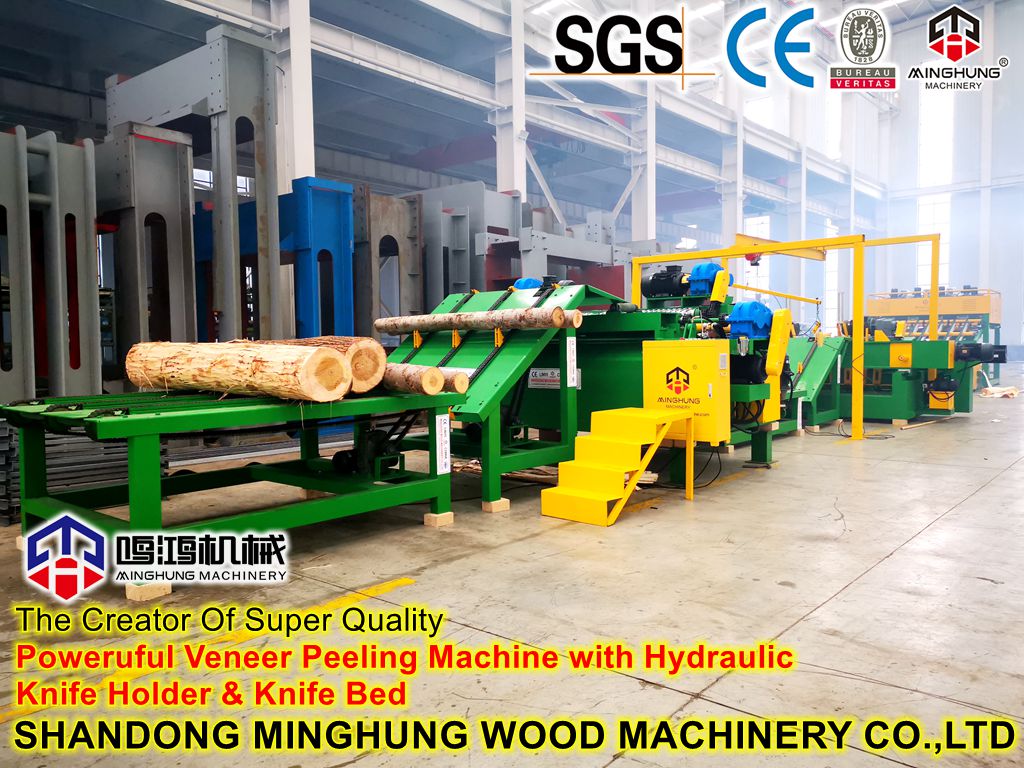
Guide for Importing a Veneer Peeling Lathe from China
Importing a veneer peeling lathe from China can be a cost-effective solution for your wood processing operation, but it requires careful attention to technical specifications, support, and logistics. This guide outlines key considerations to ensure a smooth and successful import process.
Voltage Requirements (380V/220V)
- Verify Local Power Supply: Confirm the electrical infrastructure at your facility. Most industrial settings in North America use 480V three-phase power, while many regions in Europe, Asia, and parts of South America use 380V or 400V. China commonly uses 380V three-phase, 50Hz power.
- Machine Compatibility: Ensure the lathe is configured for your local voltage and frequency (50Hz or 60Hz). If ordering a 380V machine for a 480V facility, you may need a step-down transformer, which adds cost and complexity.
- Request Customization: Specify your required voltage when placing the order. Reputable Chinese manufacturers can typically customize the electrical system (motor, control panel, wiring) to 220V, 380V, 415V, 480V, etc., but this must be confirmed in writing.
- Electrical Certification: Ask for compliance with international standards (e.g., CE, ISO) and ensure documentation includes wiring diagrams and electrical specifications.
Installation Support
- On-Site Installation Services: Confirm whether the supplier offers on-site installation and commissioning. Many Chinese manufacturers provide technician deployment for an additional fee, including airfare, accommodation, and daily rates.
- Remote Support Option: If on-site service is not feasible, ensure robust remote support via video call, manuals, and real-time troubleshooting. Request detailed installation manuals in English.
- Pre-Installation Requirements: Clarify site preparation needs such as foundation specifications, power connections, and space requirements. Ensure your team or a local contractor is prepared.
- Training: Ask for operator and maintenance training during installation to ensure your staff can operate the machine safely and efficiently.
Warranty Terms
- Standard Warranty Duration: Most Chinese manufacturers offer a 12-month warranty on mechanical components and 6–12 months on electrical parts. Negotiate terms if possible.
- Warranty Coverage: Confirm what is included—typically defects in materials and workmanship. Exclusions usually include consumables (e.g., blades), damage from misuse, improper installation, or lack of maintenance.
- Service and Repairs: Clarify how warranty claims are handled. Will parts be shipped free of charge? Is there a local distributor or agent who can assist? Expect to cover shipping costs for parts unless otherwise agreed.
- Extended Warranty Options: Inquire about extended warranty packages for added peace of mind, especially for critical components.
Spare Blade and Part Kits
- Initial Spare Parts Package: Request a comprehensive spare parts kit with your order. This should include extra veneer knives (blades), blade holders, pressure bar components, drive belts, fuses, and common wear items.
- Blade Compatibility: Confirm the type and dimensions of blades used (e.g., high-speed steel or carbide-tipped) and ensure ongoing supply availability. Some machines use proprietary blade designs.
- Inventory Planning: Based on your production volume, calculate expected blade life and order additional blades in advance to avoid downtime.
- Long-Term Support: Ensure the manufacturer can supply replacement parts for at least 5–10 years. Ask for a parts list with model numbers and pricing.
- Local Sourcing: Explore whether equivalent blades or parts can be sourced locally or from third-party suppliers to reduce dependency and lead times.
By carefully addressing voltage compatibility, securing installation support, understanding warranty terms, and planning for spare parts, you can successfully import a veneer peeling lathe from China and integrate it effectively into your production line. Always request written documentation and maintain clear communication with your supplier throughout the process.
In conclusion, sourcing a veneer peeling lathe from China can offer significant cost advantages and access to advanced manufacturing technology. However, to ensure long-term reliability and compliance with international safety and operational standards, it is essential to verify that the machine carries valid CE certification. This certification confirms that the equipment meets stringent European health, safety, and environmental requirements, providing assurance of its quality and performance. Additionally, arranging for pre-shipment testing—either through an on-site inspection or via recorded operation—allows buyers to assess the machine’s functionality, precision, and overall condition before it leaves the supplier’s facility. By prioritizing certified equipment and thorough testing, buyers can mitigate risks, avoid costly delays or repairs, and ensure a smooth integration of the lathe into their production process. Careful due diligence ultimately leads to a successful and sustainable investment in Chinese-manufactured machinery.