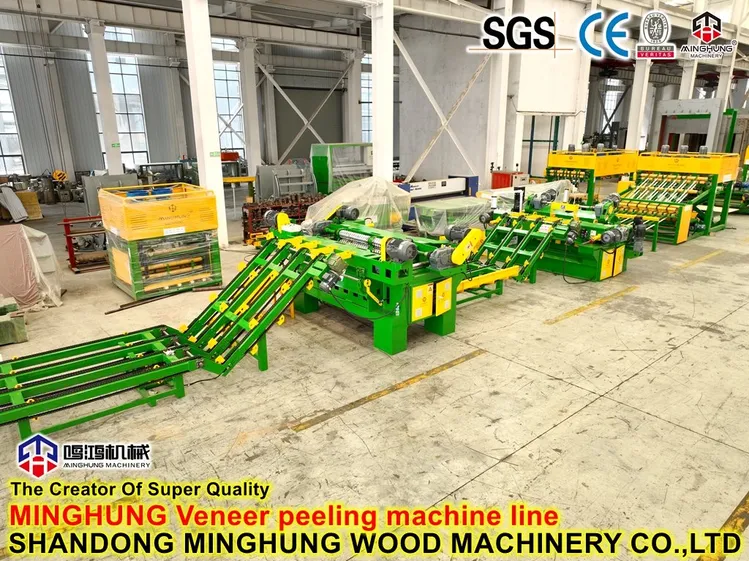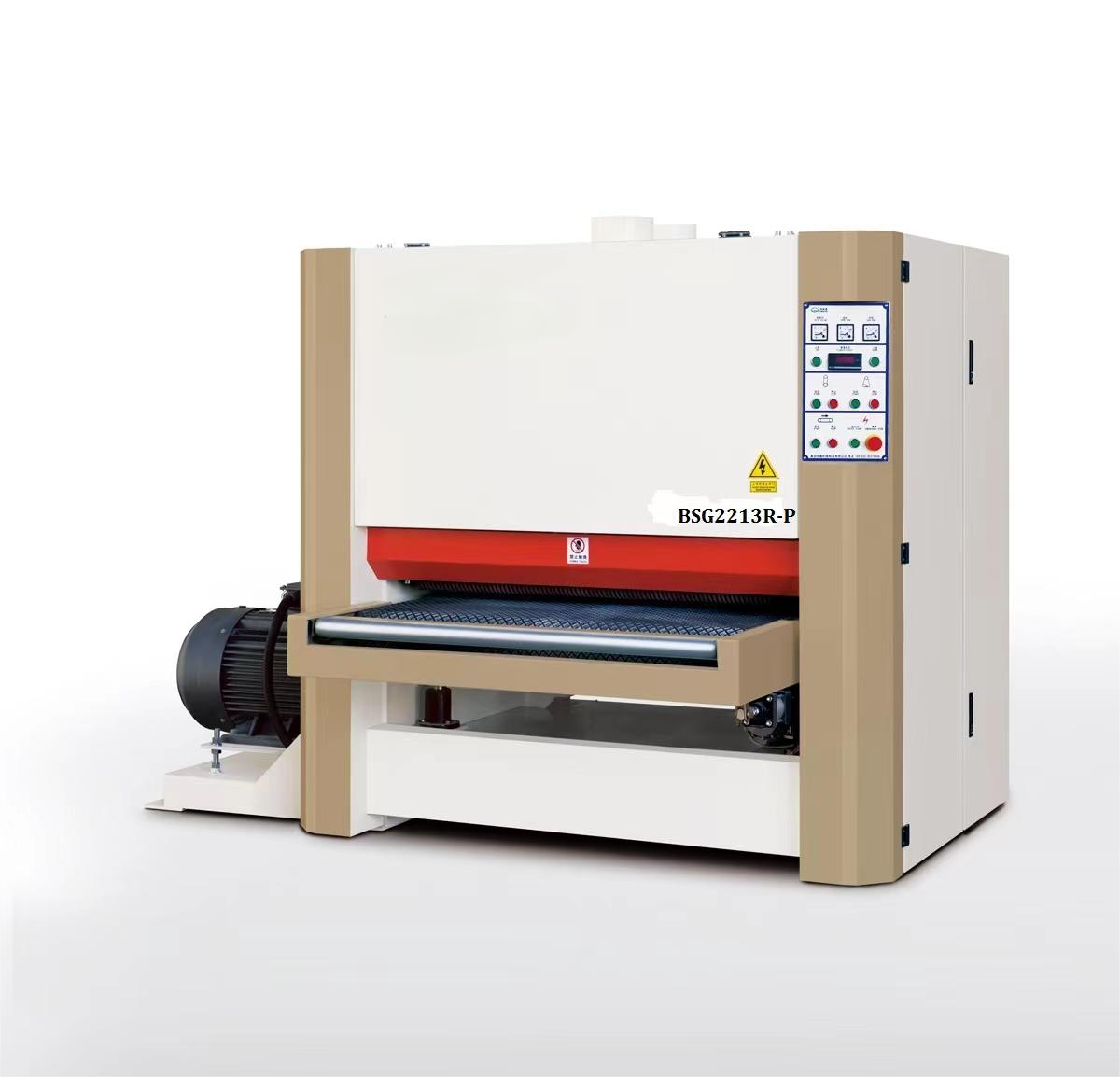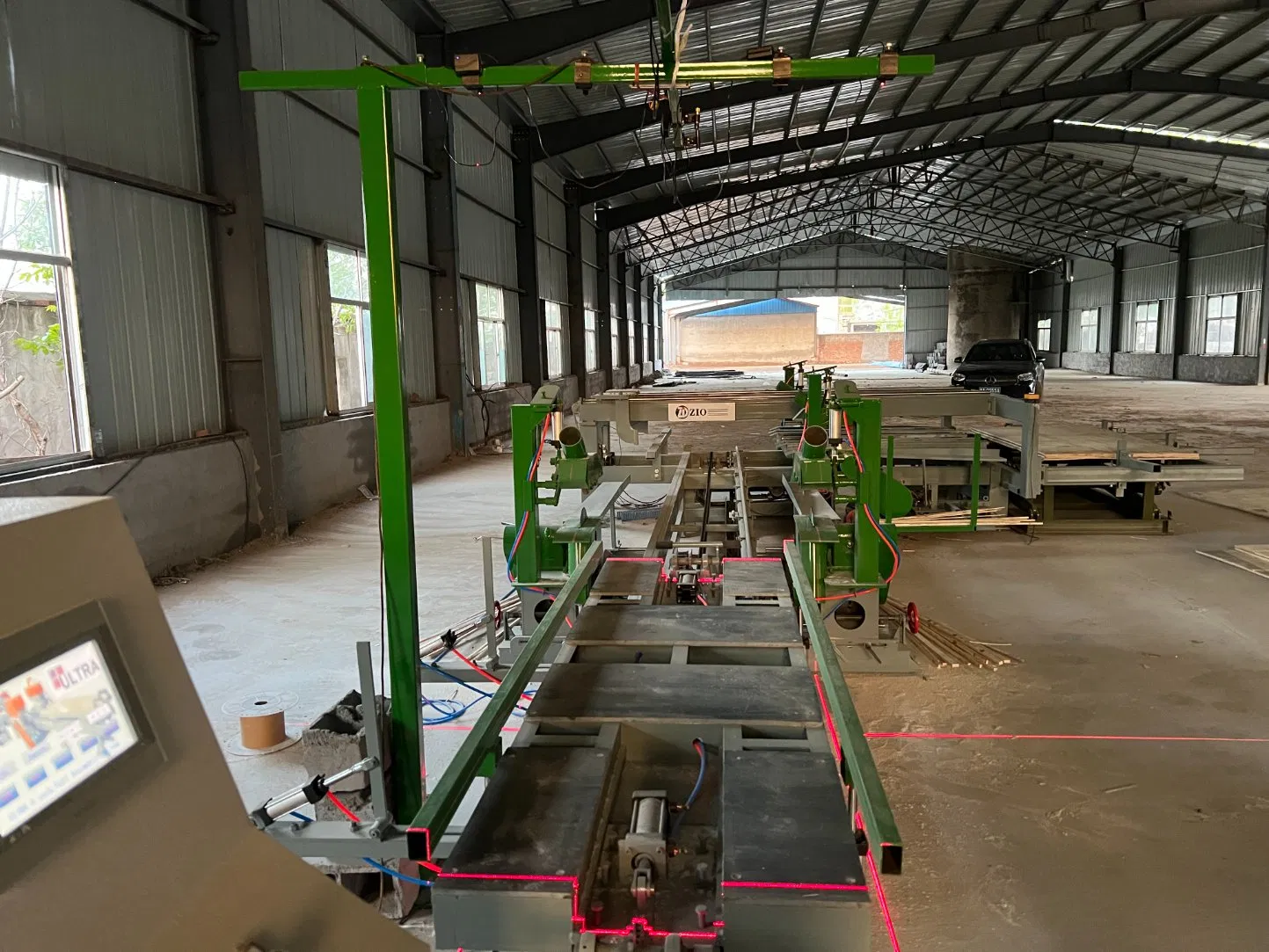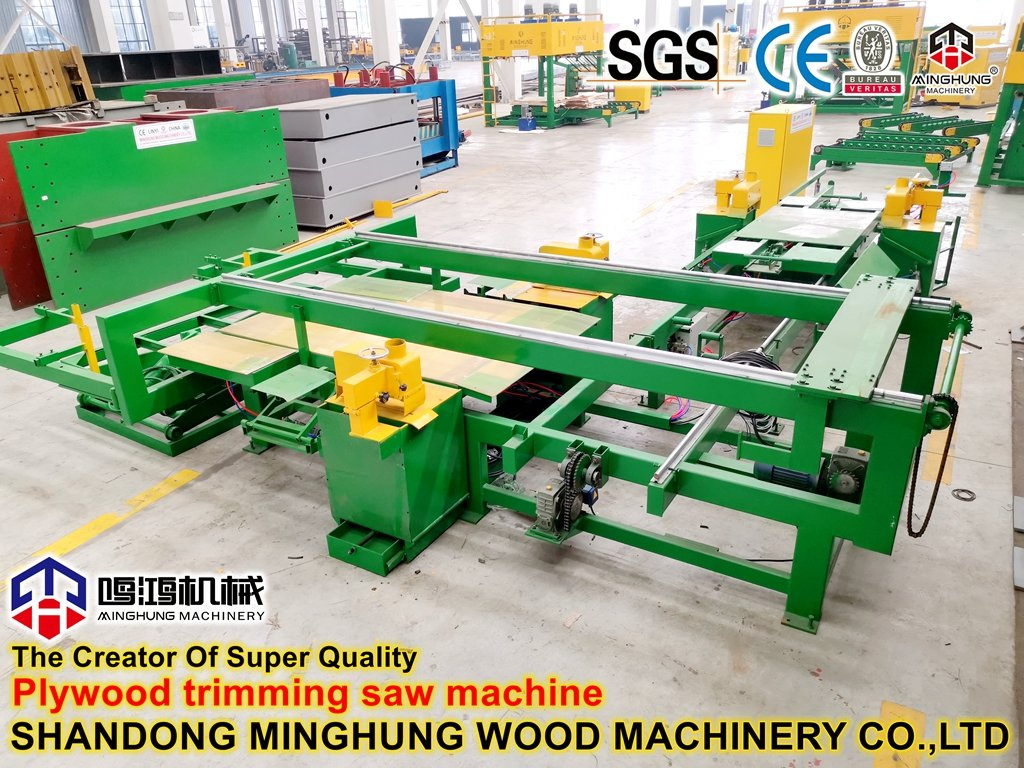

In 2026, the global demand for high-performance veneer core composer machines continues to rise, driven by the need for precision, efficiency, and long-term durability in engineered wood production. As a key hub for advanced manufacturing, China has emerged as a leading force, offering innovative machinery that combines cutting-edge technology with cost-effective scalability. This review highlights the top six manufacturers excelling in performance, reliability, and engineering excellence—showcasing how Chinese production capabilities are reshaping the future of veneer processing for wood-based panel producers worldwide.
Top 6 Veneer Core Composer In Machine Manufacturers (2026 Review)
(Ranked by Technical Capability & Market Reputation)
Professional Buying Guide: Veneer Core Composer In Machinery
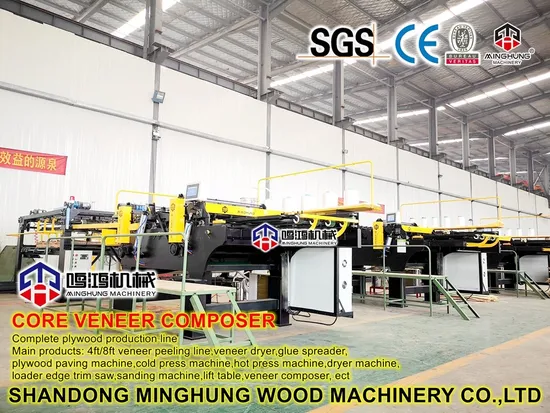
2026 Global Market Trends for Veneer Core Composers: Focus on Automation, Energy Efficiency, High-Speed Production, and Labor Cost Reduction
As the global demand for engineered wood products continues to rise, Veneer Core Composers—critical machinery in the plywood and composite panel manufacturing process—are undergoing significant technological transformation. By 2026, key market trends are expected to center on automation, energy efficiency, high-speed production, and labor cost reduction. These drivers are reshaping the industry in response to sustainability mandates, supply chain pressures, and the need for operational competitiveness.
Automation Integration
Automation is emerging as a cornerstone in the evolution of Veneer Core Composer technology. By 2026, manufacturers are increasingly adopting fully integrated automated systems that streamline material handling, glue application, core alignment, and quality inspection. Advanced sensors, machine vision systems, and real-time data analytics are being embedded into machines to reduce human intervention and minimize errors.
Smart factories are leveraging Industrial Internet of Things (IIoT) platforms to enable remote monitoring and predictive maintenance of Veneer Core Composers. This shift not only improves uptime but also allows for adaptive production scheduling based on real-time demand signals. Major markets in Europe and North America are leading this trend, while Asia-Pacific is rapidly catching up, particularly in China and India, where automation is being driven by rising labor costs and skill shortages.
Energy Efficiency Enhancements
Energy efficiency has become a critical competitive differentiator, especially as governments worldwide enforce stricter carbon emission standards. By 2026, Veneer Core Composers are expected to incorporate energy-saving technologies such as variable frequency drives (VFDs), optimized thermal systems for glue drying, and heat recovery units.
Manufacturers are also adopting low-emission adhesives and cold-press technologies, which reduce the need for energy-intensive curing processes. In Europe, compliance with the EU Green Deal is accelerating the adoption of energy-efficient machinery, pushing OEMs to redesign their systems with sustainability in mind. Additionally, renewable energy integration—such as solar-powered auxiliary systems—is being piloted in production facilities, further reducing the carbon footprint of veneer core manufacturing.
High-Speed Production Capabilities
The demand for faster turnaround times in furniture, construction, and packaging sectors is pushing Veneer Core Composers toward higher throughput. By 2026, next-generation machines are projected to achieve production speeds of over 60 meters per minute, up from current averages of 30–40 m/min, without sacrificing bonding quality or veneer alignment.
This leap in speed is being enabled by advancements in servo-driven mechanisms, high-precision glue spreaders, and dynamic tension control systems. High-speed production is particularly valuable in large-scale plywood mills in Southeast Asia and South America, where economies of scale are essential. Furthermore, the integration of modular design allows quick changeovers between product specifications, enhancing flexibility without compromising speed.
Labor Cost Reduction Strategies
Labor cost reduction remains a primary motivator for investment in advanced Veneer Core Composers. With wages rising in traditional manufacturing hubs like China and Vietnam, companies are turning to automation to maintain margins. Fully automated lines require significantly fewer operators—sometimes just one technician to monitor multiple machines—leading to substantial long-term savings.
Robotic loading/unloading systems, AI-driven quality control, and self-diagnostic features reduce dependency on skilled labor, which is increasingly scarce in many regions. Additionally, training simulators and augmented reality (AR) interfaces are lowering the learning curve for machine operators, minimizing downtime during workforce transitions.
In emerging markets, where labor costs are still relatively low, the focus is shifting toward hybrid models that balance automation with human oversight to achieve optimal cost-efficiency.
Conclusion
By 2026, the global market for Veneer Core Composers will be defined by intelligent, energy-conscious, and high-performance machinery. Automation, energy efficiency, high-speed production, and labor cost reduction are not isolated trends but interconnected forces driving innovation. Manufacturers that embrace these advancements will gain a decisive edge in productivity, sustainability, and market responsiveness, positioning themselves as leaders in the next era of engineered wood manufacturing.
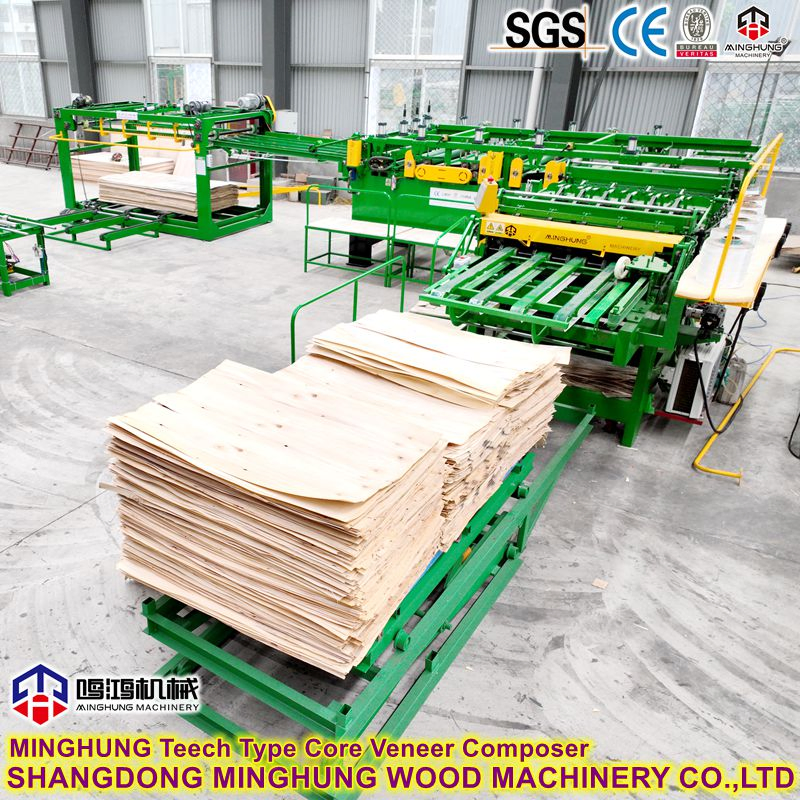
How to Evaluate a High-Quality Veneer Core Composer: Key Check Points
When investing in a Veneer Core Composer, assessing critical components ensures long-term performance, reliability, and minimal downtime. Focus on the following key evaluation points:
Steel Structure Durability
The machine’s frame and structural components must withstand continuous heavy-duty operation. Evaluate:
- Material Quality: Confirm the use of high-tensile, thick-gauge steel (e.g., Q345 or equivalent) for the main chassis and support beams.
- Welding & Construction: Inspect for robust, precision welding with stress-relief treatment to prevent deformation over time.
- Anti-Corrosion Treatment: Ensure surfaces are sandblasted and coated with industrial-grade anti-rust paint or powder coating, especially in humid production environments.
- Rigidity & Vibration Resistance: A well-designed structure minimizes vibration during high-speed operation, maintaining alignment and accuracy.
Motor Brand (e.g., Siemens, Mitsubishi)
The motors drive critical functions such as feed rollers, pressing systems, and conveyors. Brand reputation and performance matter:
- Recognized Brands: Prioritize machines equipped with motors from established manufacturers like Siemens, Mitsubishi, Yaskawa, or ABB. These brands offer high efficiency, durability, and consistent torque output.
- Motor Specifications: Verify motor power ratings match production demands (e.g., 7.5kW or higher for main drives) and confirm IP ratings suitable for industrial environments (e.g., IP55 for dust and moisture resistance).
- Cooling & Lifespan: Look for motors with effective cooling systems and proven longevity under continuous load.
PLC Control System
The PLC (Programmable Logic Controller) governs automation, precision, and operational stability:
- Brand & Model: High-end systems often use Siemens, Mitsubishi, or Omron PLCs. These offer reliable performance, fast processing, and easy troubleshooting.
- User Interface (HMI): Evaluate the touchscreen HMI for intuitive operation, real-time diagnostics, fault logging, and recipe storage for different veneer types.
- Control Accuracy: The system should enable precise synchronization of feed speed, pressure, and alignment, reducing waste and ensuring uniform core quality.
- Expandability & Connectivity: Confirm support for future upgrades, remote monitoring, and integration with factory automation systems (e.g., via Ethernet or Profinet).
Spare Parts Availability
Minimizing downtime is crucial—ensure easy access to replacement components:
- Local Support: Verify the supplier or manufacturer has a regional service network or warehouse stocking common wear parts (e.g., belts, rollers, sensors, seals).
- Standardized Components: Machines using widely available industrial components (e.g., SKF bearings, SMC pneumatics) reduce lead times for replacements.
- Documentation & Cataloging: Request a comprehensive spare parts list with clear part numbers and recommended replacement intervals.
- Supplier Commitment: Choose a supplier that guarantees parts availability for at least 5–10 years post-purchase and offers technical support.
By thoroughly assessing these four critical areas—Steel Structure Durability, Motor Brand, PLC Control System, and Spare Parts Availability—you can confidently select a high-quality Veneer Core Composer that delivers consistent performance, low maintenance costs, and long-term reliability.

Importing Veneer Core Composer from China: Key Considerations
When importing a Veneer Core Composer from China, several critical factors must be addressed to ensure seamless integration, compliance, and long-term performance. Below is a guide covering essential aspects including voltage compatibility, installation support, warranty terms, and spare parts availability.
Voltage Requirements (380V vs. 220V)
Veneer Core Composers manufactured in China are typically designed to operate on 380V, 3-phase industrial power, which is standard in Chinese factories. However, voltage standards vary by country—many regions, especially in North America, use 220V or 208V systems. Before importing, confirm the following:
- Machine Voltage Compatibility: Verify whether the machine is built for 380V/50Hz or if a dual-voltage (switchable) or step-down transformer-ready model is available.
- Electrical Infrastructure: Assess your facility’s power supply. If your plant operates on 220V, you may need a step-up transformer or request a custom-built machine configured for lower voltage.
- Transformer and Phase Conversion: If 380V is not available, budget for a suitable transformer and possibly a phase converter, especially if only single-phase power is accessible.
- Certifications: Ensure the machine meets local electrical safety standards (e.g., CE, UL, CSA) and that any voltage conversion complies with regional regulations.
Recommendation: Request a machine specification sheet and discuss voltage requirements with the supplier prior to purchase. Consider factory customization to match your local power system.
Installation Support
Proper installation is crucial for the safe and efficient operation of a Veneer Core Composer. Consider the following:
- On-Site Commissioning: Confirm whether the supplier offers on-site installation and commissioning services. Some Chinese manufacturers provide technician support, but travel and labor costs may be additional.
- Remote Assistance: If on-site support isn’t feasible, ensure the supplier offers detailed setup manuals, video tutorials, and real-time remote troubleshooting via video call or augmented reality tools.
- Local Technicians: Engage a qualified local industrial machinery technician familiar with woodworking equipment to assist with mechanical setup, electrical connections, and safety checks.
- Foundation and Space Requirements: Verify floor loading capacity, machine footprint, and clearance for material handling and maintenance.
Tip: Negotiate installation support as part of the purchase agreement. Clarify who is responsible for shipping, rigging, and final connections.
Warranty Terms
Understanding the warranty coverage is essential to protect your investment:
- Duration and Scope: Typical warranties range from 12 to 24 months, covering defects in materials and workmanship. Confirm what components are included (e.g., motors, control systems, mechanical parts).
- Exclusions: Warranties often exclude wear parts (e.g., blades, belts, bearings), damage from improper use, or issues arising from incorrect voltage or installation.
- Service Response: Clarify how warranty claims are handled—whether parts are shipped internationally, if remote diagnostics are supported, or if technicians will travel for repairs.
- Extended Warranty Options: Inquire about extended warranty packages and associated costs.
Advice: Request a written warranty document in English. Ensure it includes response timeframes, return policies for defective parts, and language about support availability outside China.
Spare Blade and Part Kits
Maintaining a supply of spare parts ensures minimal downtime:
- Spare Blade Kits: Request a compatible spare blade kit at the time of purchase. Confirm blade specifications (size, material, tooth configuration) and compatibility with local sharpening services.
- Common Wear Parts: Ask for a recommended spare parts list, including belts, bearings, sensors, and pneumatic components. Consider purchasing a starter kit for critical consumables.
- Availability and Lead Time: Inquire about part availability and average shipping times from China. Some suppliers stock parts in regional warehouses (e.g., in the US or Europe).
- Part Numbering and Documentation: Ensure all parts have clear identification numbers and are cataloged in the machine’s manual for easy reordering.
Best Practice: Build a relationship with the supplier for fast reorder processing. Consider local third-party suppliers for generic components to reduce dependency on overseas shipping.
By carefully addressing voltage compatibility, securing reliable installation support, understanding warranty coverage, and stocking essential spare parts, you can successfully import and operate a Veneer Core Composer from China with confidence and efficiency.
In conclusion, sourcing a veneer core composer machine manufacturer from China can offer significant cost advantages and access to advanced woodworking technology. However, to ensure quality, safety, and compliance, it is crucial to verify that the manufacturer holds valid CE certification, which confirms that the machine meets essential health, safety, and environmental protection standards within the European market. Beyond documentation, always insist on testing the machine before shipment to evaluate its performance, durability, and operational efficiency under real conditions. This proactive approach minimizes risks, ensures the equipment aligns with your production requirements, and supports a reliable and long-term investment. Due diligence in certification and pre-shipment inspection ultimately safeguards your operations and enhances the overall success of your sourcing strategy.