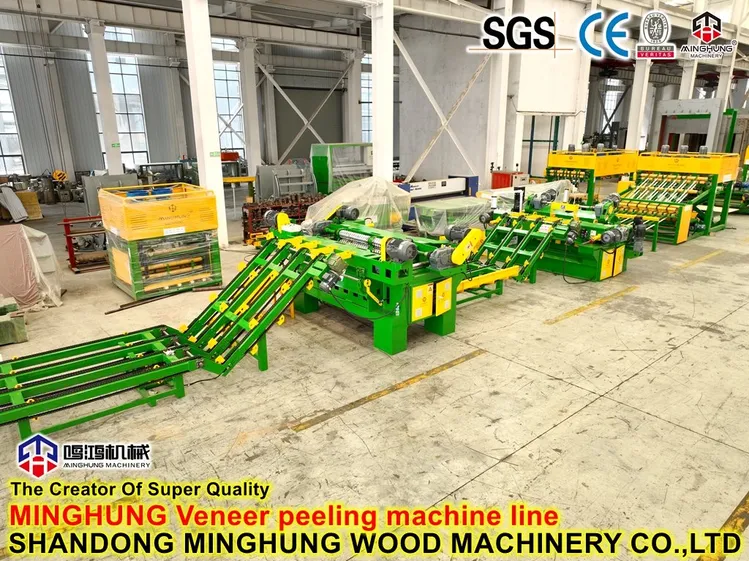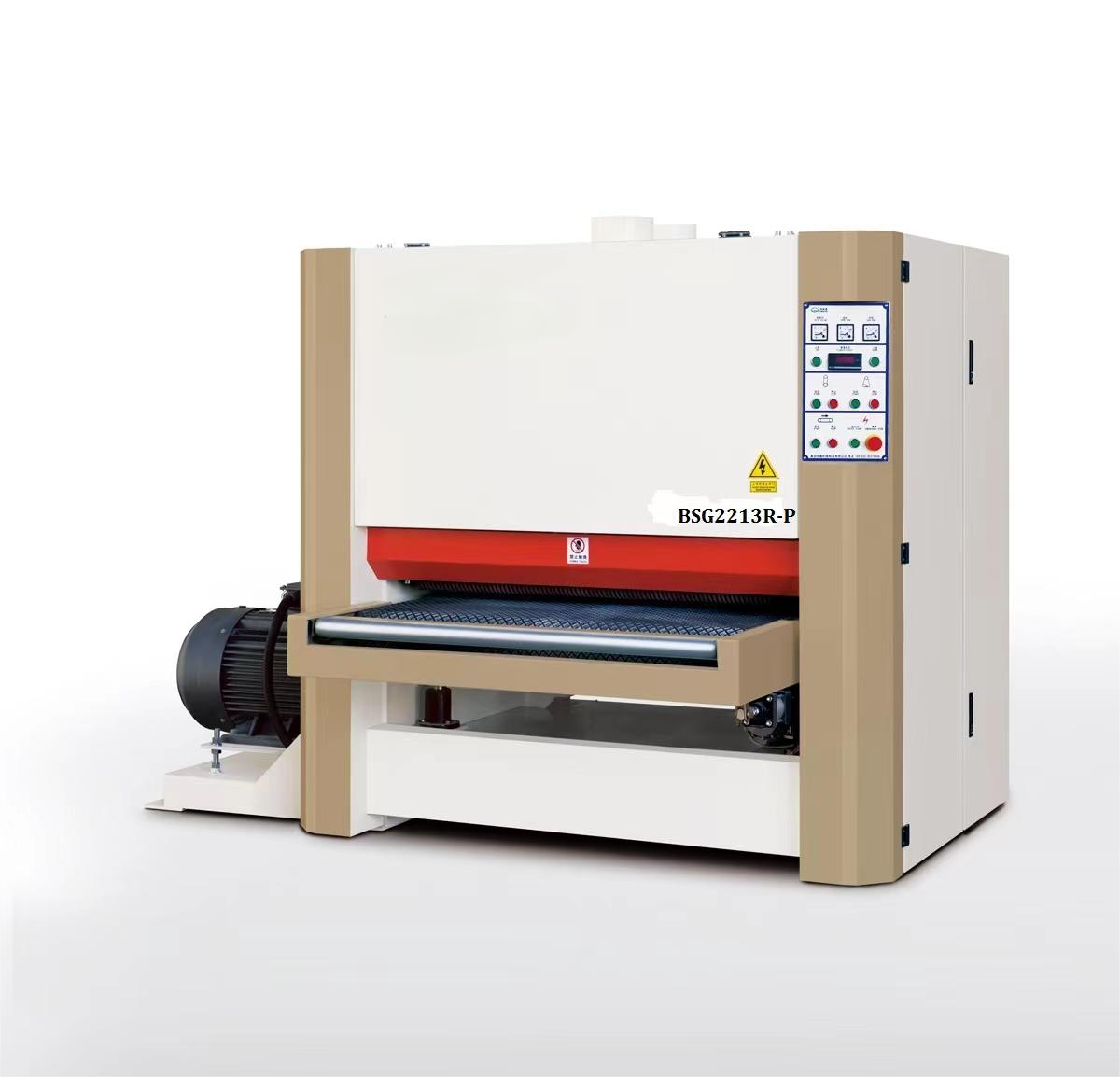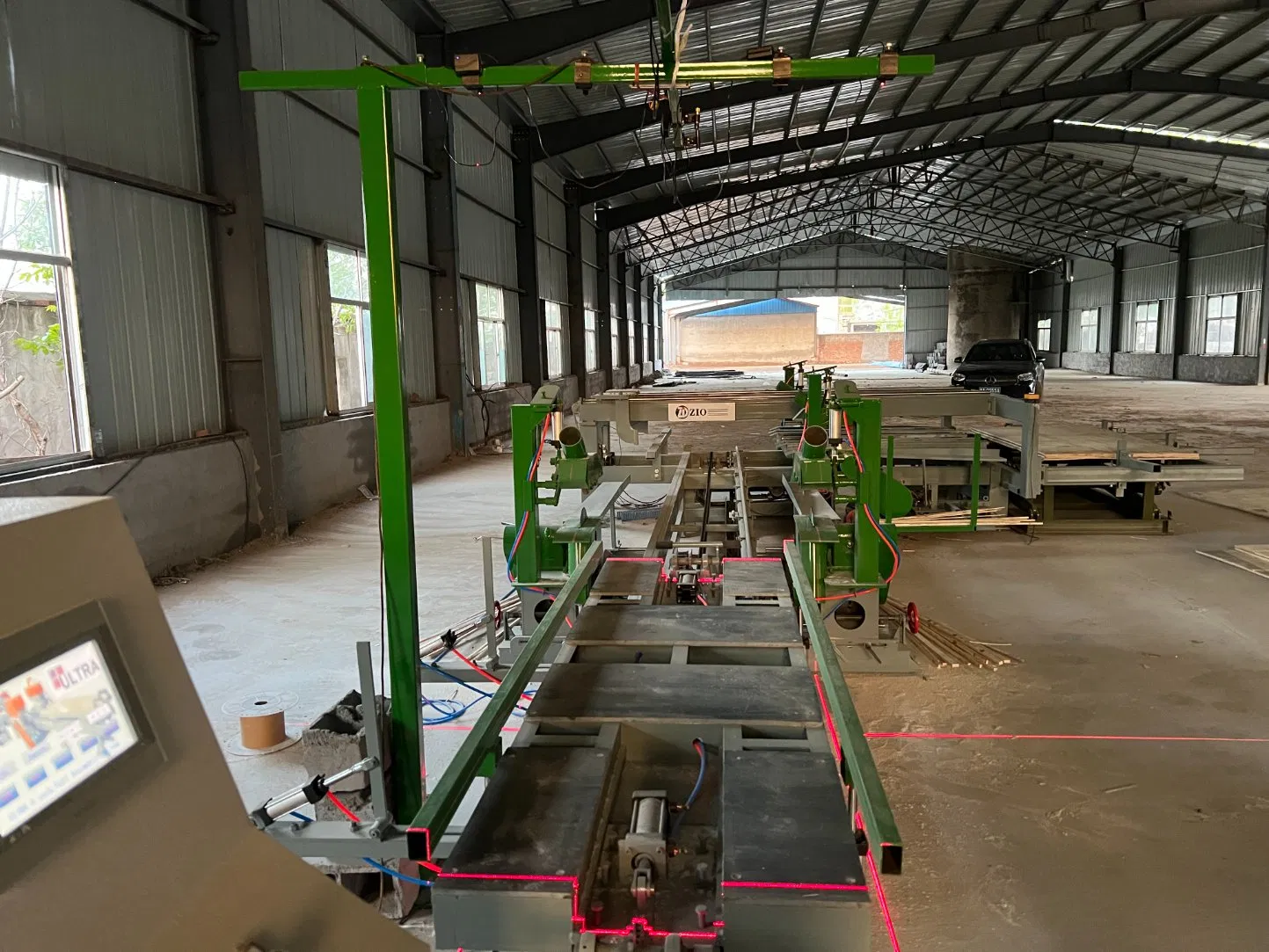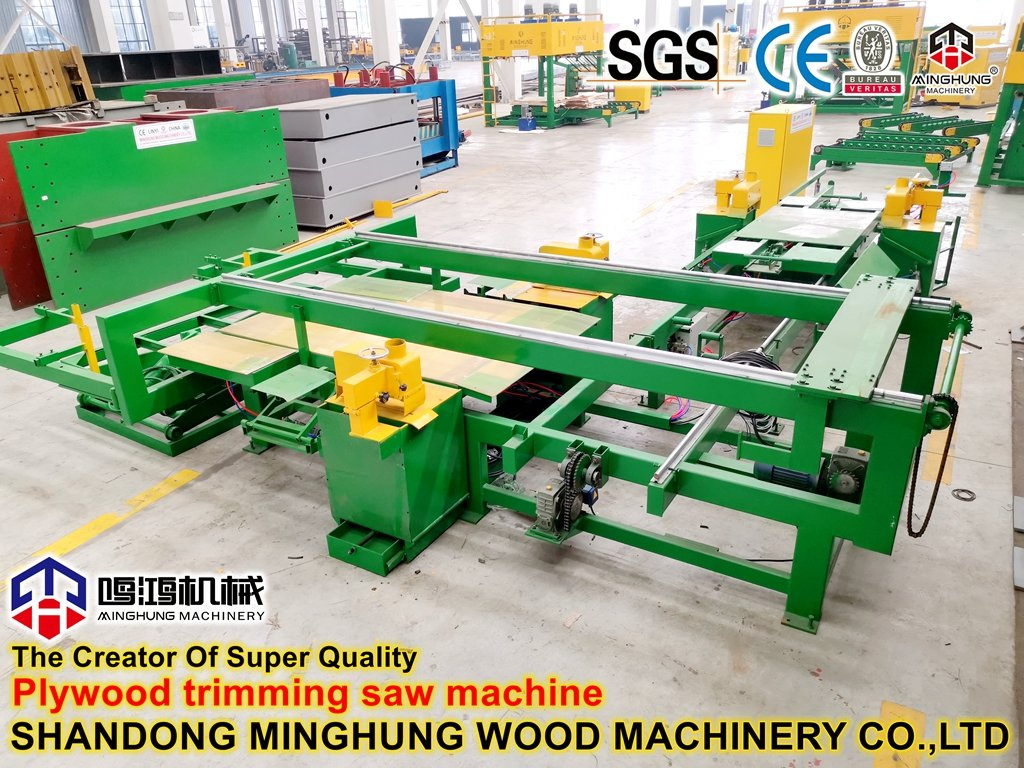

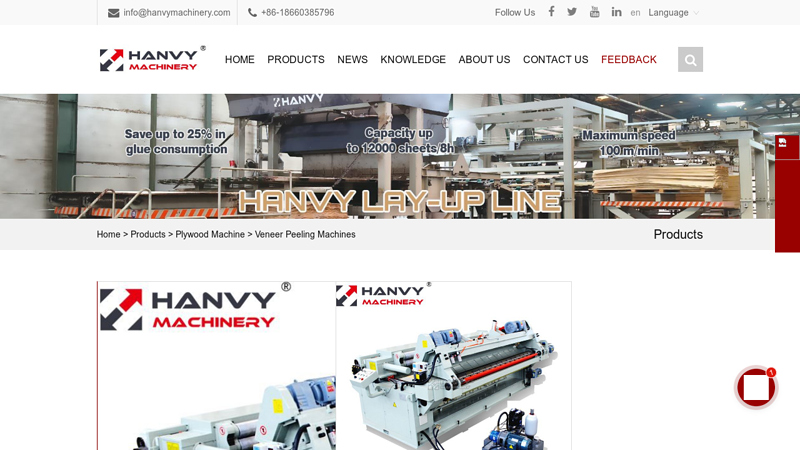
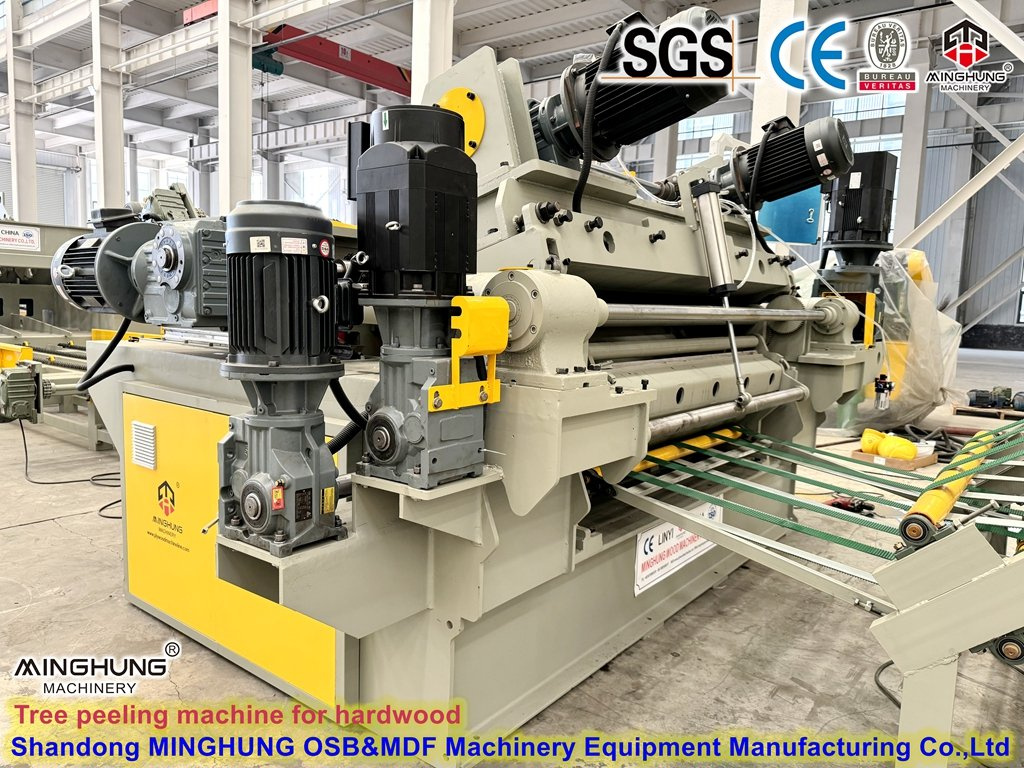
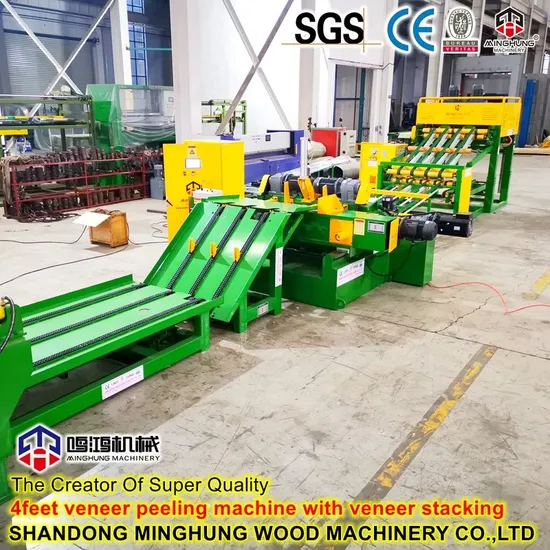
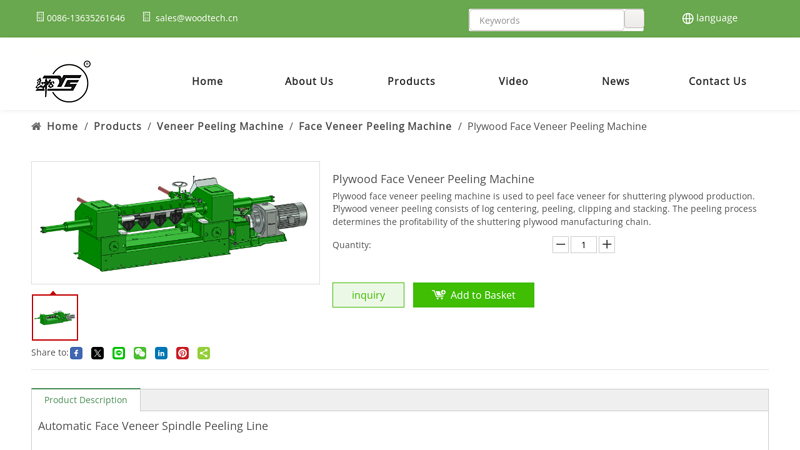
In the ever-evolving woodworking machinery sector, veneer peeling machines are critical for achieving high precision and consistent quality in plywood production. As demand for efficiency and durability intensifies, manufacturers are turning to advanced solutions that combine robust engineering with cost-effective performance. China’s manufacturing ecosystem continues to lead the way, offering innovative machinery built to international standards. This 2026 review highlights the top six veneer peeling machine manufacturers renowned for their reliable performance, operational efficiency, and enduring build quality—making them key partners for businesses aiming to optimize production and maintain a competitive edge.
Top 6 Veneer Peeling Machine Manufacturers (2026 Review)
(Ranked by Technical Capability & Market Reputation)

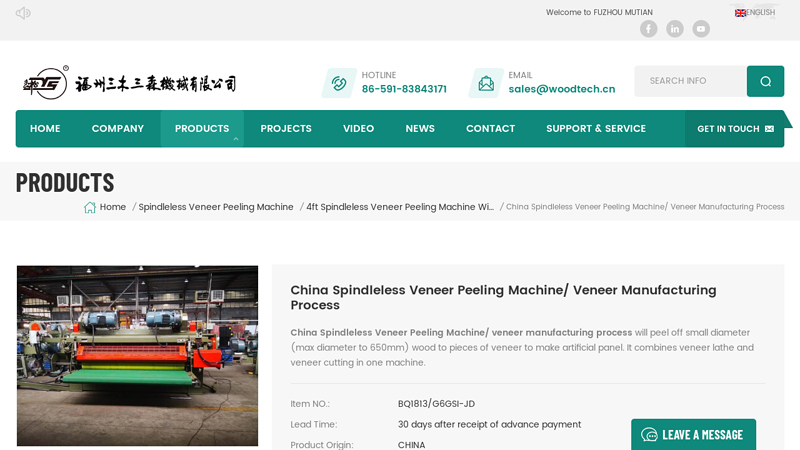
Professional Buying Guide: Veneer Peeling Machinery
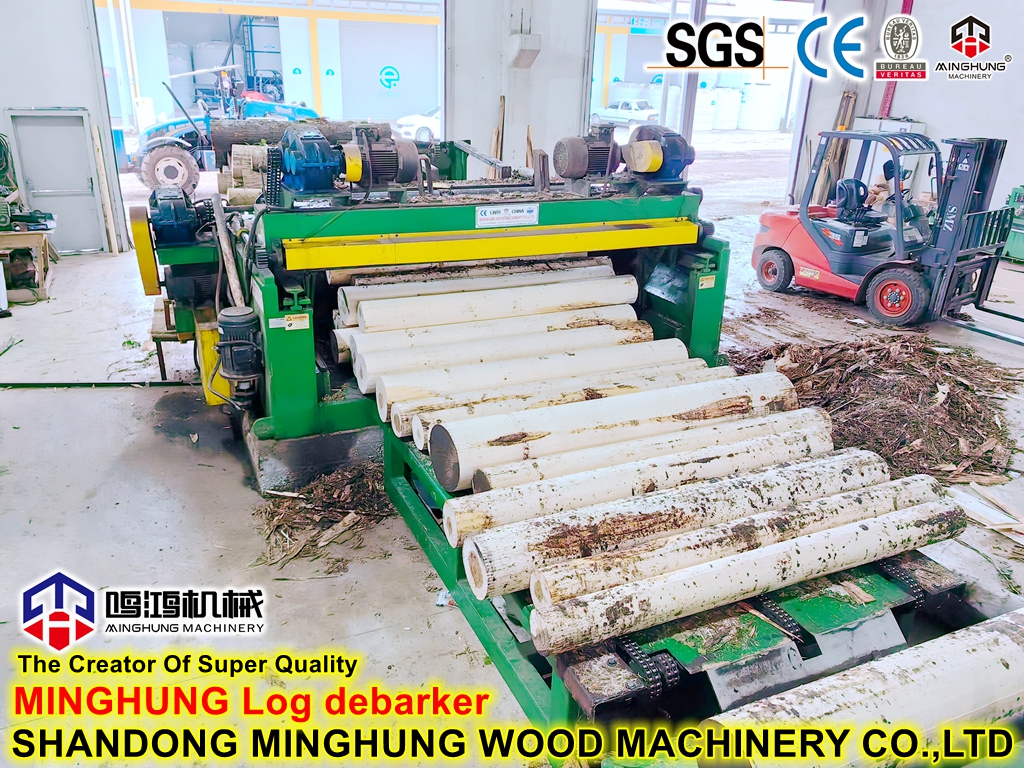
2026 Global Market Trends in Veneer Peeling: Automation, Energy Efficiency, High-Speed Production, and Labor Cost Reduction
As the global demand for sustainable wood products continues to grow, the veneer peeling industry is undergoing a transformative shift driven by technological innovation, economic pressures, and environmental considerations. By 2026, key trends in automation, energy efficiency, high-speed production, and labor cost reduction are redefining manufacturing practices and competitive dynamics across major veneer-producing regions including Europe, North America, and Asia-Pacific.
Automation in Veneer Peeling
Automation is emerging as a cornerstone of modern veneer production. By 2026, an increasing number of manufacturers are adopting advanced automated systems, including robotic log handling, real-time thickness monitoring, and AI-driven quality control. These technologies enable precise control over the peeling process, minimizing waste and ensuring consistent veneer quality.
Leading producers are integrating Internet of Things (IoT) sensors into rotary lathes, allowing for predictive maintenance and remote operation. Fully automated peeling lines reduce human intervention, thereby lowering the risk of errors and enhancing process repeatability. In Europe and Japan, automation penetration is expected to exceed 70% in medium to large-scale operations by 2026, driven by the need for precision and regulatory compliance.
Energy Efficiency Improvements
Energy consumption remains a critical cost factor in veneer production, particularly during log conditioning and drying stages. By 2026, energy-efficient technologies are becoming standard across new installations. Innovations such as heat recovery systems in dryers, variable frequency drives (VFDs) on motors, and low-energy steam conditioning are helping mills reduce their carbon footprint and operational costs.
Manufacturers are also adopting biomass-powered boilers and solar-assisted drying systems, especially in regions with abundant renewable resources like Scandinavia and Southeast Asia. These energy-efficient solutions not only comply with tightening environmental regulations (e.g., EU Green Deal, China’s dual carbon goals) but also improve long-term profitability. Industry estimates suggest that energy-efficient upgrades can reduce total energy use in veneer mills by 25–35% by 2026.
High-Speed Production Systems
To meet rising global demand for veneer in furniture, construction, and engineered wood products, high-speed peeling technologies are gaining traction. Next-generation rotary lathes capable of peeling speeds exceeding 150 meters per minute are being deployed in high-volume facilities, particularly in China, Russia, and the southeastern United States.
These high-speed systems are engineered with advanced spindle designs, improved knife-holding mechanisms, and dynamic balancing to maintain quality at elevated production rates. Coupled with automated infeed and outfeed conveyors, high-speed lines can increase throughput by up to 40% compared to legacy systems. As global supply chains demand faster turnaround times, manufacturers investing in speed-optimized equipment will gain a significant competitive advantage by 2026.
Labor Cost Reduction Strategies
Labor costs are a persistent challenge in the veneer industry, especially in developed economies. By 2026, manufacturers are countering this pressure through extensive process optimization and workforce automation. Automated log stacking, defect detection using machine vision, and self-diagnosing control systems reduce reliance on manual labor.
In North America and Western Europe, where skilled labor shortages are acute, companies are shifting toward centralized control rooms where a single operator can oversee multiple peeling lines. Additionally, modular training programs and digital twin simulations are minimizing onboarding time and improving worker efficiency. In emerging markets like Vietnam and Indonesia, labor cost advantages are being reinvested into mechanization to preempt future wage inflation and improve consistency.
Conclusion
By 2026, the global veneer peeling market will be characterized by smart, efficient, and highly productive manufacturing ecosystems. Automation, energy efficiency, high-speed capabilities, and labor optimization are not isolated trends but interconnected drivers of competitiveness. Companies that proactively adopt integrated solutions across these domains will be best positioned to thrive in an increasingly demanding and sustainable global marketplace.
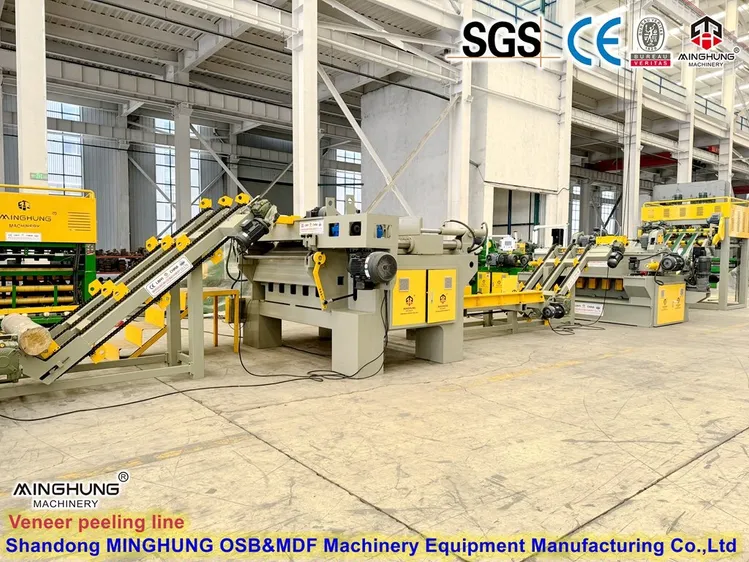
How to Evaluate a High-Quality Veneer Peeling Machine
When assessing the quality and reliability of a veneer peeling machine, several critical components determine its long-term performance, efficiency, and maintenance costs. Focus on the following key checkpoints to ensure you invest in a high-quality, durable machine:
Steel Structure Durability
A robust steel frame is the backbone of any veneer peeling machine. The structure must withstand continuous vibration, high torque, and heavy log loads without deformation. Look for:
- Thick-gauge, high-tensile steel in the main frame and support components.
- Welded construction with reinforced joints to ensure rigidity and reduce operational vibration.
- Anti-corrosion treatment, such as powder coating or galvanization, especially in humid processing environments.
- A design that minimizes deflection during operation to maintain consistent veneer thickness.
A durable steel structure enhances machine lifespan and reduces maintenance downtime.
Motor Brand (e.g., Siemens, Mitsubishi)
The drive motor is central to the peeling process, influencing power delivery, speed control, and energy efficiency. Reputable motor brands ensure reliability:
- Siemens, Mitsubishi, ABB, or other globally recognized manufacturers provide motors with proven performance, thermal protection, and long service life.
- Verify the motor’s power rating (kW) matches your production needs (e.g., log diameter and rotation speed).
- Check for inverter-ready motors that allow smooth speed adjustment for different wood types and thicknesses.
- High-quality motors reduce energy consumption and deliver consistent torque under load.
Avoid machines with unbranded or generic motors, which may fail prematurely or cause inconsistent peeling.
PLC Control System
A modern Programmable Logic Controller (PLC) system ensures precision, automation, and ease of operation:
- Leading brands like Siemens, Mitsubishi, or Omron offer reliable, user-friendly interfaces with real-time monitoring.
- The PLC should control peeling speed, knife advancement, log rotation, and emergency stops with high accuracy.
- Look for touchscreen HMI (Human-Machine Interface) for intuitive operation and diagnostics.
- The system should support data logging, fault detection, and quick parameter adjustments for different veneer thicknesses.
A robust PLC system improves productivity and reduces operator error.
Spare Parts Availability
Even the best machines require maintenance. Access to spare parts is critical to minimize downtime:
- Choose manufacturers or suppliers with established local or regional service networks.
- Confirm availability of common wear parts such as veneer knives, rollers, belts, bearings, and electrical components.
- Check if the supplier maintains a spare parts inventory or offers quick shipping.
- Machines using standardized, branded components (e.g., SKF bearings, Siemens drives) are easier and cheaper to maintain globally.
Prioritize suppliers who provide comprehensive support and spare parts documentation.
By evaluating these four key checkpoints—steel structure durability, motor brand, PLC control system, and spare parts availability—you can confidently select a high-quality veneer peeling machine that delivers long-term reliability and optimal production performance.
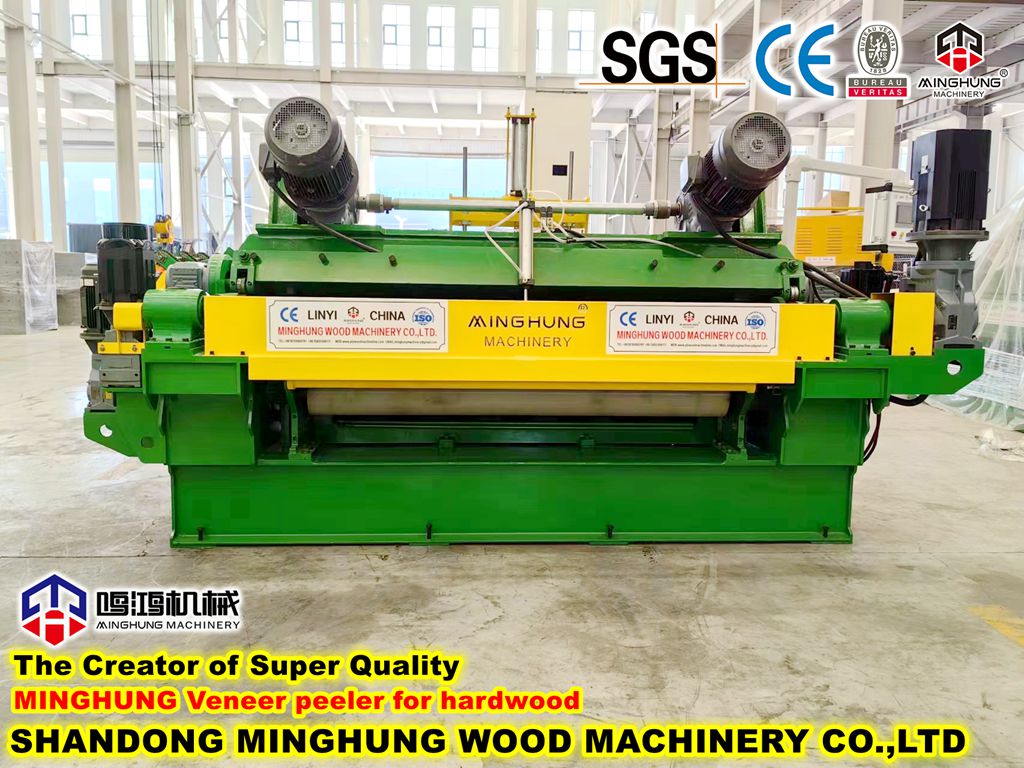
Guide for Importing Veneer Peeling Machines from China
When importing veneer peeling machines from China, it’s essential to understand key technical, logistical, and support aspects to ensure seamless operation upon arrival. Below is a detailed guide covering voltage requirements, installation support, warranty terms, and spare parts availability.
Voltage Requirements (380V/220V)
Veneer peeling machines manufactured in China typically operate on industrial electrical standards. Most equipment is configured for 380V, 3-phase, 50Hz power supply, which aligns with China’s standard industrial voltage. However, compatibility with your local electrical system is crucial:
- Confirm whether your facility uses 380V/400V 3-phase (common in Europe, Asia, and many industrial zones) or 220V/240V single-phase (common in North America and some residential/commercial settings).
- Request the supplier to customize the machine’s electrical panel and motor setup to match your local voltage and frequency (e.g., 220V 60Hz for North America).
- Always verify the machine includes a proper voltage transformer or dual-voltage motor option if required.
- Ensure the machine comes with international power plugs or terminal blocks suitable for your region.
Failure to match voltage specifications can result in equipment damage, safety hazards, and voided warranties.
Installation Support
Proper installation is critical for machine performance and operator safety. When sourcing from Chinese manufacturers:
- On-Site Installation Services: Some suppliers offer technician dispatch for on-site setup, calibration, and operator training—often at an additional cost. Clarify travel, lodging, and daily fees upfront.
- Remote Support: Many provide detailed installation manuals, wiring diagrams, and video tutorials. Real-time support via video call (e.g., Zoom, WeChat) is commonly available.
- Local Partners: Check if the supplier has authorized agents or service partners in your country for faster setup and troubleshooting.
- Requirements: Ensure you have a level concrete foundation, proper ventilation, and utility connections (power, air, water if applicable) ready before the machine arrives.
Plan for at least 1–3 days for installation and initial testing, depending on machine complexity.
Warranty Terms
Warranty conditions vary significantly among Chinese suppliers. Key points to clarify before purchase:
- Standard Coverage: Most machines come with a 12-month warranty on main components (motor, gearbox, frame), excluding wear parts like blades, bearings, or belts.
- Exclusions: Damage from improper installation, voltage mismatch, lack of maintenance, or use of non-approved spare parts typically voids the warranty.
- Service Response: Confirm whether warranty claims are handled via return-to-factory (at buyer’s expense) or through local service centers.
- Extended Warranty: Some manufacturers offer extended coverage (up to 2–3 years) for an additional fee—consider this for high-utilization environments.
- Documentation: Ensure the warranty certificate is included, signed, and specifies covered parts and procedures for filing claims.
Always get warranty terms in writing and included in the sales contract.
Spare Blade and Part Kits
To minimize downtime, plan for spare parts availability from the outset:
- Spare Blade Kits: Request a starter kit including 2–4 extra veneer cutting blades (typically tungsten carbide-tipped). Confirm blade dimensions and compatibility with your log diameter range.
- Wear Parts Package: Ask for a recommended spare parts list—common items include pressure bar rollers, feed screw components, belts, bearings, and electrical fuses.
- Availability and Lead Time: Verify if the supplier keeps critical spares in stock and their average shipping time (typically 15–30 days from China via air freight).
- Local Stocking: Consider ordering a 1–2 year supply of high-wear items to avoid production delays.
- Interchangeability: Confirm whether blades and parts are proprietary or compatible with international standards for easier future sourcing.
Many suppliers offer discounted spare parts bundles when purchased with the machine—take advantage of this offer.
By addressing voltage compatibility, securing installation assistance, understanding warranty coverage, and stocking essential spare parts, you can ensure a smooth and productive integration of your imported veneer peeling machine into your manufacturing operations.
In conclusion, sourcing a veneer peeling machine from China can offer significant cost advantages and access to advanced manufacturing technology, making it an attractive option for businesses in the wood processing industry. However, to ensure reliability, safety, and long-term performance, it is crucial to verify that the machine complies with international standards—specifically, by confirming the presence of a valid CE certification. This certification not only indicates adherence to European health, safety, and environmental protection standards but also reflects the manufacturer’s commitment to quality. Additionally, arranging for thorough testing of the machine before shipment is essential. Pre-shipment inspection allows buyers to assess the machine’s functionality, precision, and overall condition, minimizing the risk of operational issues upon arrival. By prioritizing CE certification and conducting comprehensive pre-shipment testing, buyers can mitigate potential risks and make confident, informed decisions when sourcing veneer peeling machines from China.