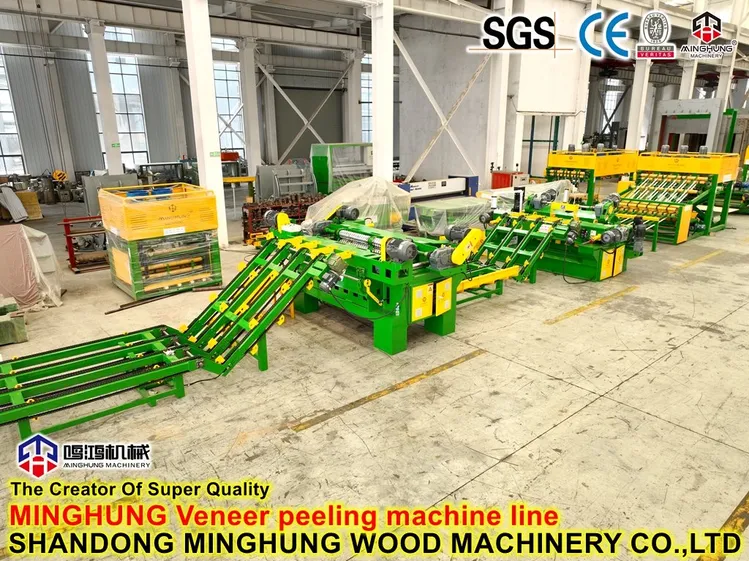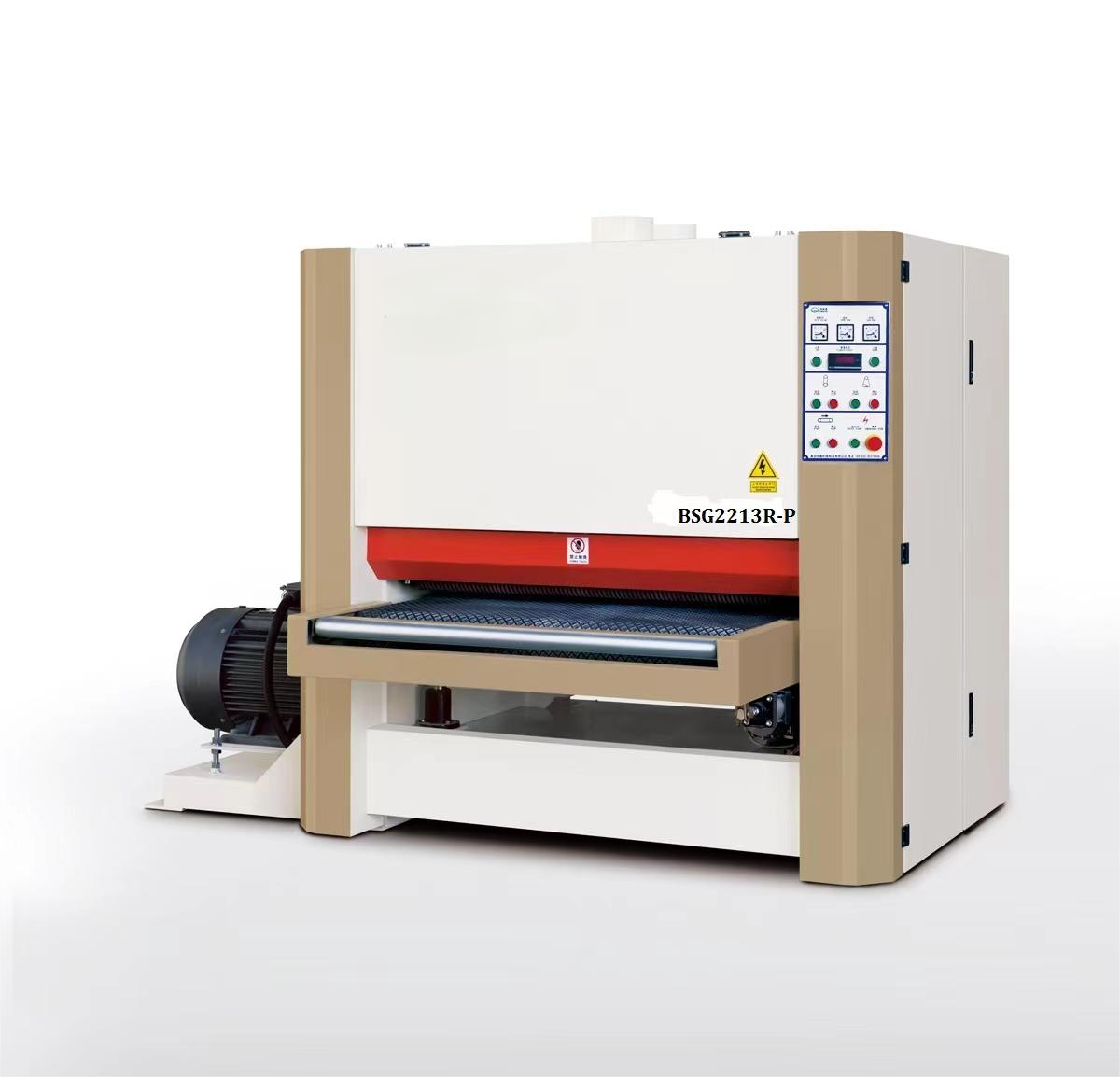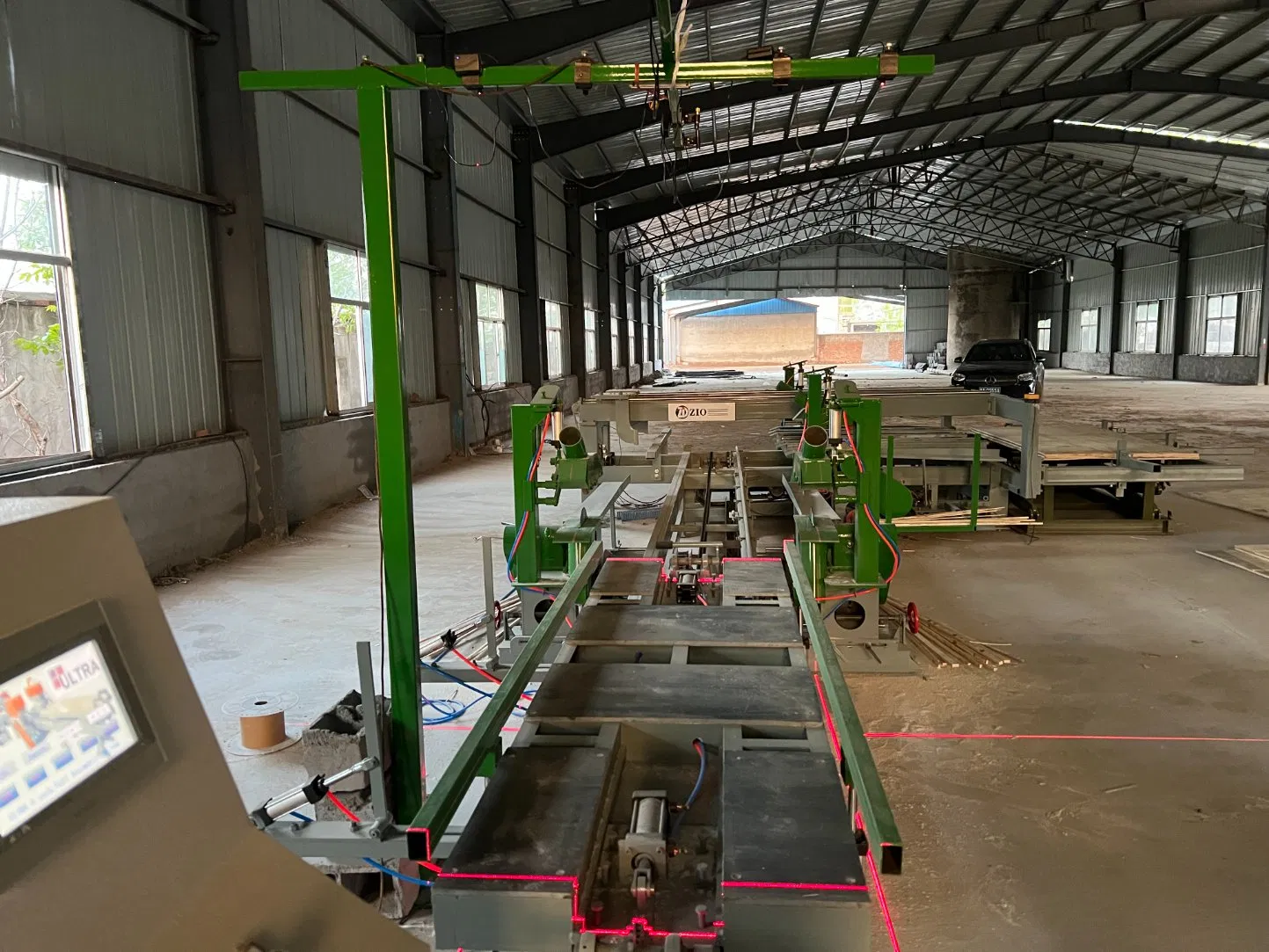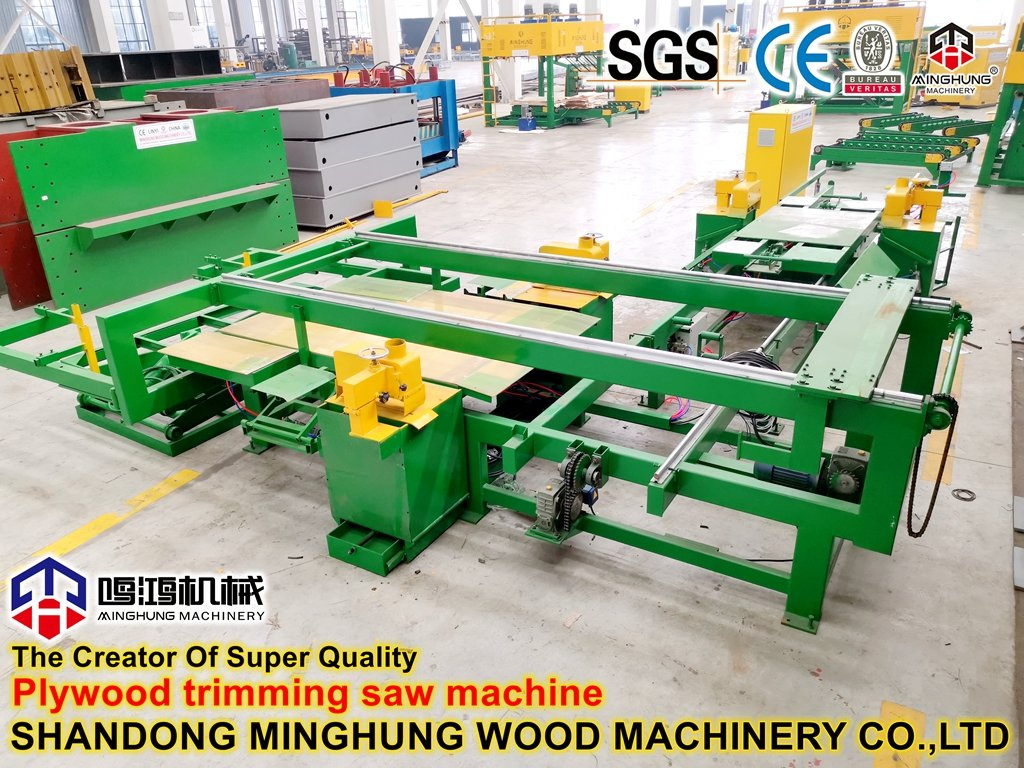

In the competitive world of wood processing, selecting the right wood veneer peeler machine is critical to maximizing output, ensuring product consistency, and maintaining long-term operational efficiency. As demand for high-quality veneer continues to rise, manufacturers are turning to advanced machinery that combines precision engineering with unmatched durability. China has emerged as a global hub for woodworking machinery, offering innovative solutions that balance performance, reliability, and cost-effectiveness. This 2026 review highlights the top six wood veneer peeler machine manufacturers leveraging cutting-edge technology and robust manufacturing capabilities to deliver equipment built for sustained productivity in demanding industrial environments.
Top 6 Wood Veneer Peeler Machine Manufacturers (2026 Review)
(Ranked by Technical Capability & Market Reputation)




Professional Buying Guide: Wood Veneer Peeler Machinery
2026 Global Market Trends for Wood Veneer Peeler: Automation, Efficiency, Speed & Cost Optimization
The global wood veneer peeler market is poised for significant transformation by 2026, driven by intense competitive pressures, rising operational costs, and the need for sustainable manufacturing. Key trends converging around Automation, Energy Efficiency, High-Speed Production, and Labor Cost Reduction are reshaping machine design, purchasing decisions, and operational strategies.
H2: Automation as the Cornerstone of Competitive Advantage
By 2026, automation will transition from a premium feature to a fundamental requirement for viable veneer production. Leading manufacturers are investing heavily in integrated automation solutions to achieve:
* End-to-End Process Control: Seamless integration between log positioning, centering, feeding, peeling, clipping, stacking, and defect detection (using AI-powered vision systems) minimizes manual intervention and human error.
* Predictive Maintenance: Sensors monitoring blade wear, spindle vibration, hydraulic pressure, and motor load feed data to AI algorithms. This enables predictive maintenance, drastically reducing unplanned downtime and optimizing spare parts inventory.
* Adaptive Control Systems: Advanced PLCs and CNC systems will dynamically adjust peeling parameters (knife angle, feed speed, pressure) in real-time based on log characteristics (diameter, species, moisture content, defects) detected via sensors, ensuring consistent veneer quality and maximizing yield.
* Robotics Integration: Robotic arms for log handling, veneer sheet turning/flipping, stacking, and palletizing will become more common, especially in high-volume facilities, improving safety and throughput.
H2: Energy Efficiency: A Critical Driver for Sustainability and Cost Savings
Rising energy costs and stringent environmental regulations will make energy efficiency a paramount concern:
* Direct Drive & Servo Technology: Replacing traditional hydraulic systems and gearboxes with high-torque electric servo motors for log rotation and carriage feed significantly reduces energy losses (up to 30-40% compared to hydraulics) and improves control precision.
* Regenerative Braking: Systems capturing energy during the deceleration of heavy logs or carriages and feeding it back into the grid or local storage will gain traction, particularly in high-cycle operations.
* Optimized Motor Sizing & VFDs: Precise motor sizing and sophisticated Variable Frequency Drives (VFDs) ensure motors only consume the energy required for the specific task, avoiding wasteful constant-speed operation.
* Heat Recovery & System Integration: Exploring integration with veneer drying kilns to utilize waste heat from motors or hydraulic systems, contributing to overall mill energy efficiency.
H2: High-Speed Production: Meeting Demand with Precision
The demand for veneer in furniture, flooring, and decorative panels necessitates higher throughput, but not at the expense of quality:
* Enhanced Mechanical Design: Stiffer frames, improved spindle rigidity, and advanced damping systems will allow peelers to operate reliably at significantly higher rotational and feed speeds (e.g., >100 m/min) without vibration compromising veneer thickness consistency.
* Faster Knife Actuation & Positioning: High-speed servo systems for knife advancement and retraction, coupled with rapid automatic knife changing (AKC) systems, minimize non-productive time and enable quicker transitions between log batches or thickness settings.
* Advanced Material Handling: High-speed, synchronized conveyor systems, rapid stacking mechanisms, and optimized clipping sequences are essential to keep pace with the increased peeling output and maintain workflow continuity.
* Focus on Yield at Speed: The challenge isn’t just raw speed, but efficient speed. Automation and adaptive control (H2: Automation) are crucial to maintain high yield and consistent quality even at elevated production rates.
H2: Labor Cost Reduction: The Imperative for Operational Competitiveness
Labor scarcity and rising wages, particularly in developed and emerging economies, make reducing reliance on manual labor a key economic driver:
* Reduced Direct Labor: Automation (H2: Automation) directly reduces the number of operators needed per shift for tasks like log loading, peeling monitoring, sheet handling, and stacking.
* Upskilling & Remote Monitoring: While fewer operators are needed, their roles shift towards supervising automated systems, performing preventive maintenance, analyzing production data, and managing remote diagnostics. Remote monitoring capabilities allow experts to support multiple sites, reducing the need for highly specialized on-site personnel.
* Improved Ergonomics & Safety: Automation removes workers from hazardous areas (near rotating logs, blades, heavy lifting), reducing accident risk and associated costs (insurance, downtime, compensation). This also improves worker satisfaction and retention.
* Lower Training Costs: Automated, standardized processes reduce variability and simplify operator training, allowing for faster onboarding of new personnel even if their role is more supervisory.
Conclusion
By 2026, the competitive landscape for wood veneer peelers will be dominated by machines that successfully integrate Automation, Energy Efficiency, High-Speed Production, and Labor Cost Reduction. Success will belong to manufacturers and veneer producers who leverage intelligent systems to maximize yield and quality while minimizing energy consumption, maintenance costs, and human labor requirements. Investment in these advanced technologies will no longer be optional for maintaining profitability and sustainability in the global market.
Key Check Points for Evaluating a High-Quality Wood Veneer Peeler
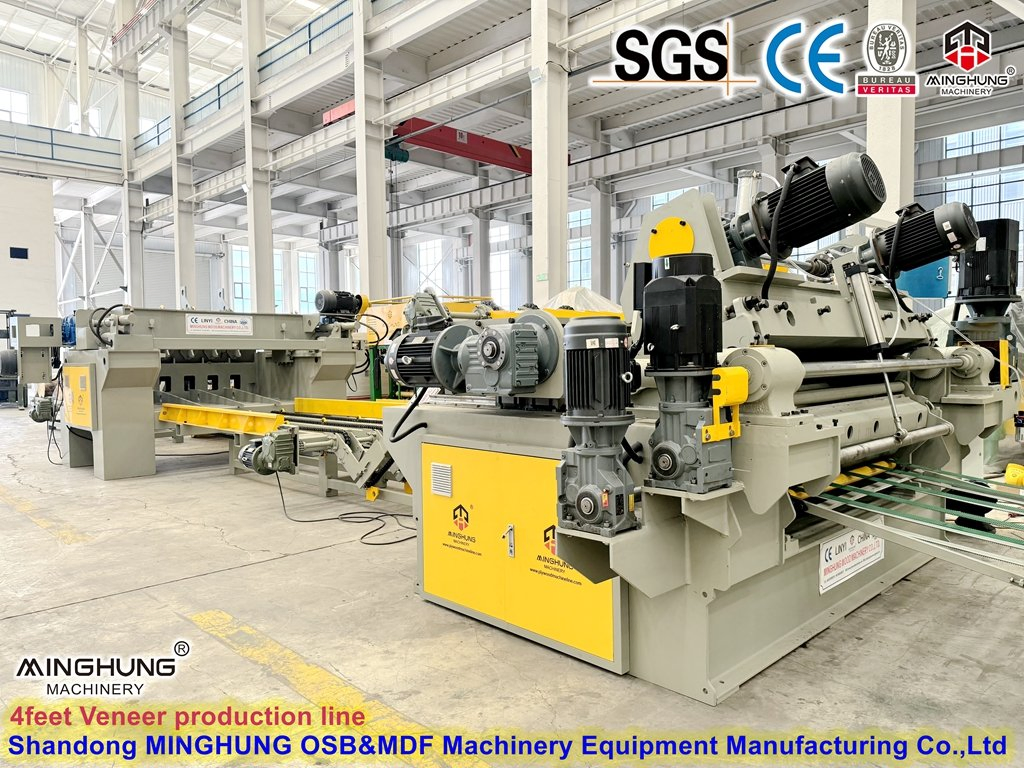
When selecting a wood veneer peeler for plywood or veneer production, evaluating critical components ensures long-term performance, reliability, and cost efficiency. Focus on the following key aspects to identify a high-quality machine:
Steel Structure Durability
The frame and main structure of the peeler must withstand continuous heavy loads and vibrations during operation. Look for:
– Thick-Gauge Steel Construction: The machine should be built using high-tensile, thick-walled steel (e.g., Q345 or equivalent) to minimize deformation and ensure stability.
– Welded Reinforcement: Critical load-bearing areas should feature reinforced welding and bracing to prevent warping over time.
– Anti-Corrosion Treatment: Powder coating or industrial paint protects against moisture and wood resin, extending structural life.
– Rigidity and Alignment: A robust frame maintains precise alignment of the cutting knife and lathe, directly impacting veneer quality and reducing maintenance needs.
Motor Brand and Performance (e.g., Siemens, Mitsubishi)
The drive motor powers the rotation of the log and directly influences peeling consistency and efficiency. High-quality motors ensure reliability and energy efficiency:
– Reputable Brands: Motors from globally recognized manufacturers like Siemens, Mitsubishi, or ABB offer proven durability, high torque, and efficient speed control.
– Variable Frequency Drive (VFD) Integration: Ensure the motor works with a VFD for smooth speed adjustment, essential for peeling different wood species and diameters.
– Thermal Protection & IP Rating: Look for motors with high IP ratings (e.g., IP55) for dust and moisture resistance, and built-in thermal overload protection.
PLC Control System
A modern PLC (Programmable Logic Controller) system automates and optimizes the peeling process:
– Established Brands: Systems from Siemens, Mitsubishi, or Omron are preferred for reliability, ease of troubleshooting, and long-term support.
– User Interface (HMI): A clear touchscreen HMI allows operators to adjust parameters (speed, feed rate, knife position) quickly and monitor machine status.
– Automation Features: Look for auto-thickness control, fault diagnostics, data logging, and integration with knife advancement systems.
– Expandability and Serviceability: The PLC should support future upgrades and be supported by readily available technical documentation and local service.
Spare Parts Availability
Ongoing maintenance and quick repairs are essential to minimize downtime:
– Local and Global Support: Choose manufacturers or suppliers with a strong service network and warehouse for critical components (knives, bearings, belts, sensors).
– Standardized Components: Machines using industry-standard parts (e.g., SKF bearings, Rexroth hydraulics) simplify sourcing and reduce lead times.
– Component Lifespan and Documentation: Request a spare parts list and expected lifespan for wear items. Transparent documentation indicates manufacturer confidence.
– After-Sales Service: Evaluate the supplier’s responsiveness and availability of technical support, especially for PLC programming or mechanical troubleshooting.
By thoroughly evaluating the steel structure, motor quality, PLC system, and spare parts accessibility, you can confidently select a wood veneer peeler that delivers consistent performance, minimal downtime, and a strong return on investment.
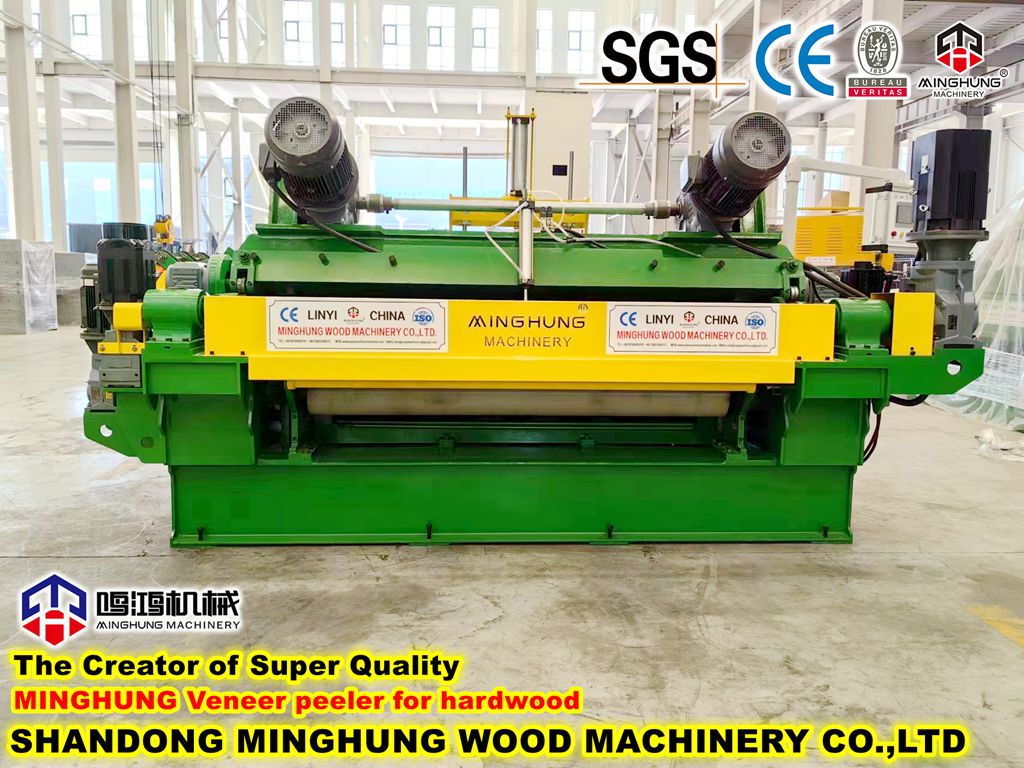
Guide for Importing Wood Veneer Peelers from China: Voltage, Support, Warranty & Spare Parts
When importing wood veneer peelers from China, it’s essential to clarify key technical and service specifications to ensure seamless operation upon arrival. Below is a detailed guide covering voltage requirements, installation support, warranty terms, and availability of spare blade and part kits.
Voltage Requirements (380V/220V)
Wood veneer peelers manufactured in China typically operate on industrial three-phase electrical systems. Confirm the following before purchase:
- Standard Voltage: Most Chinese-made peelers are configured for 380V, 50Hz, 3-phase power, which aligns with industrial standards in China.
- Customization Options: Reputable suppliers often offer customization for 220V, 50Hz or 60Hz systems upon request, depending on your country’s electrical standards.
- Transformer Needs: If your facility uses 220V or 60Hz, confirm whether the machine requires an external transformer or internal modifications. Factor in additional costs and installation complexity.
- Verification: Always request the machine’s electrical specification sheet and confirm the voltage compatibility with your site’s power supply before finalizing the order.
Installation Support
Proper installation is critical for performance and safety. Clarify the level of support offered by the supplier:
- On-Site Assistance: Some manufacturers offer on-site installation and commissioning by a technician (at an additional cost). This typically includes machine setup, calibration, and operator training.
- Remote Support: Many suppliers provide video tutorials, detailed manuals, and remote guidance via phone or video call (e.g., Zoom, WeChat).
- Pre-Assembly: Check if the machine is shipped fully assembled or requires on-site assembly. Partially disassembled units may require skilled labor for setup.
- Logistics Coordination: Confirm whether the supplier assists with customs documentation, shipping arrangements, and delivery to your facility.
Warranty Terms
Understand the warranty coverage to protect your investment:
- Standard Warranty: Most Chinese suppliers offer a 12-month warranty on major components (motor, gearbox, frame), starting from the shipment date.
- Exclusions: Wear-and-tear parts such as blades, belts, bearings, and electrical consumables are typically excluded from warranty coverage.
- Service Conditions: Warranty repairs may require returning parts to China or using locally sourced replacements. Confirm whether the supplier covers return shipping or provides technical support for repairs.
- Extended Warranty: Some manufacturers offer optional extended warranties (e.g., 24 months) for an additional fee—worth considering for critical production environments.
Spare Blade and Part Kits
Maintaining a stock of spare parts minimizes downtime. Plan accordingly:
- Spare Blade Kits: Always order a starter kit of spare blades (typically 3–5 sets) with your initial purchase. Veneer blades wear quickly and are essential for continuous operation.
- Common Spare Parts: Request a list of recommended spare parts, including belts, bearings, cutting knives, pressure rollers, and electrical components.
- Availability & Lead Time: Confirm the supplier’s inventory status and lead time for spare parts (usually 2–6 weeks for shipping). Consider keeping a 6–12 month supply on hand.
- After-Sales Support: Choose suppliers who provide long-term part availability and responsive customer service for reorders.
By addressing these four key areas—voltage compatibility, installation support, warranty terms, and spare parts—you can ensure a smooth import process and reliable operation of your wood veneer peeler from China. Always request written confirmation of all terms before placing your order.
In conclusion, sourcing a wood veneer peeler from China can offer significant cost advantages and access to advanced manufacturing capabilities. However, it is essential to prioritize quality, safety, and compliance to ensure long-term operational efficiency and regulatory adherence. Buyers should insist on verifying the CE certification of the machinery, as it confirms that the equipment meets European health, safety, and environmental protection standards. Furthermore, conducting a pre-shipment inspection and live testing of the veneer peeler under actual operating conditions is strongly recommended. This allows buyers to assess machine performance, precision, and durability before shipment, minimizing the risk of receiving substandard or defective equipment. By combining due diligence in certification verification and thorough on-site testing, importers can confidently source reliable, high-quality veneer peelers from China while safeguarding their investment and production timelines.