
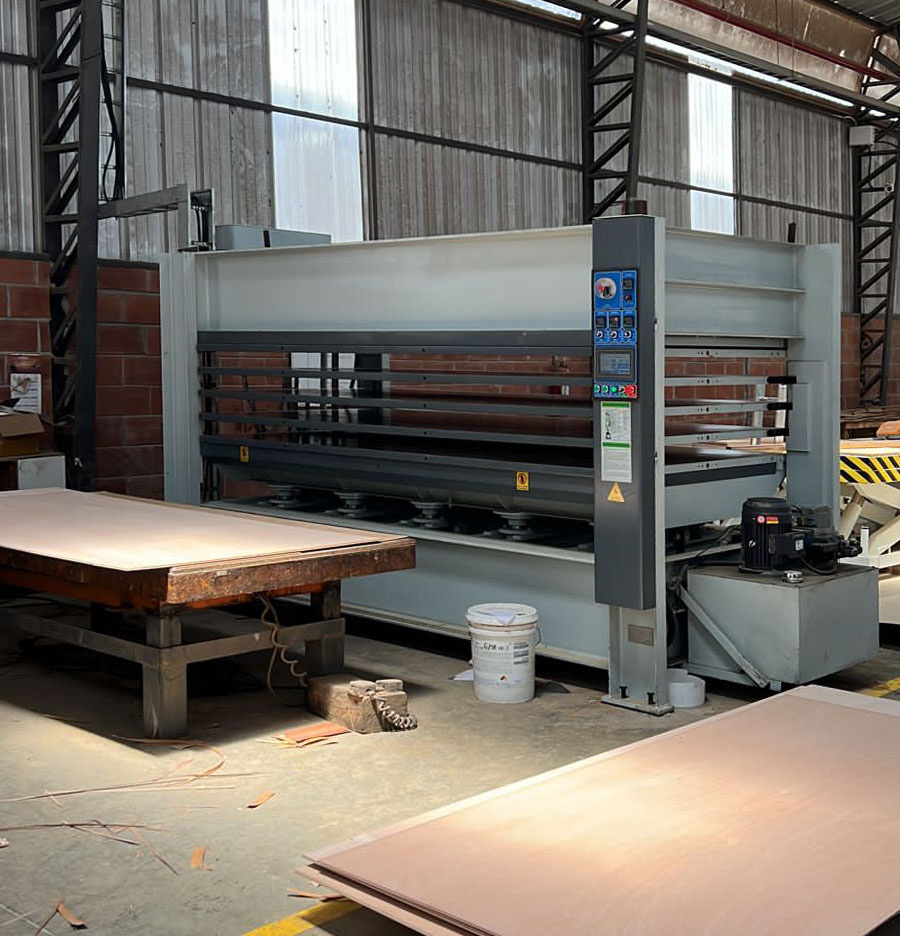
In the competitive world of woodworking and panel production, veneer press machines are critical for achieving flawless lamination with precision and consistency. As demand for high-efficiency, durable equipment grows, Chinese manufacturers have emerged as key global suppliers—combining advanced engineering, cost-effective production, and scalable innovation. This 2026 review highlights six leading manufacturers renowned for delivering veneer press machines that excel in performance, longevity, and operational efficiency, making them trusted partners for industrial buyers worldwide.
Top 6 Veneer Press In Machine Manufacturers (2026 Review)
(Ranked by Technical Capability & Market Reputation)
Professional Buying Guide: Veneer Press In Machinery
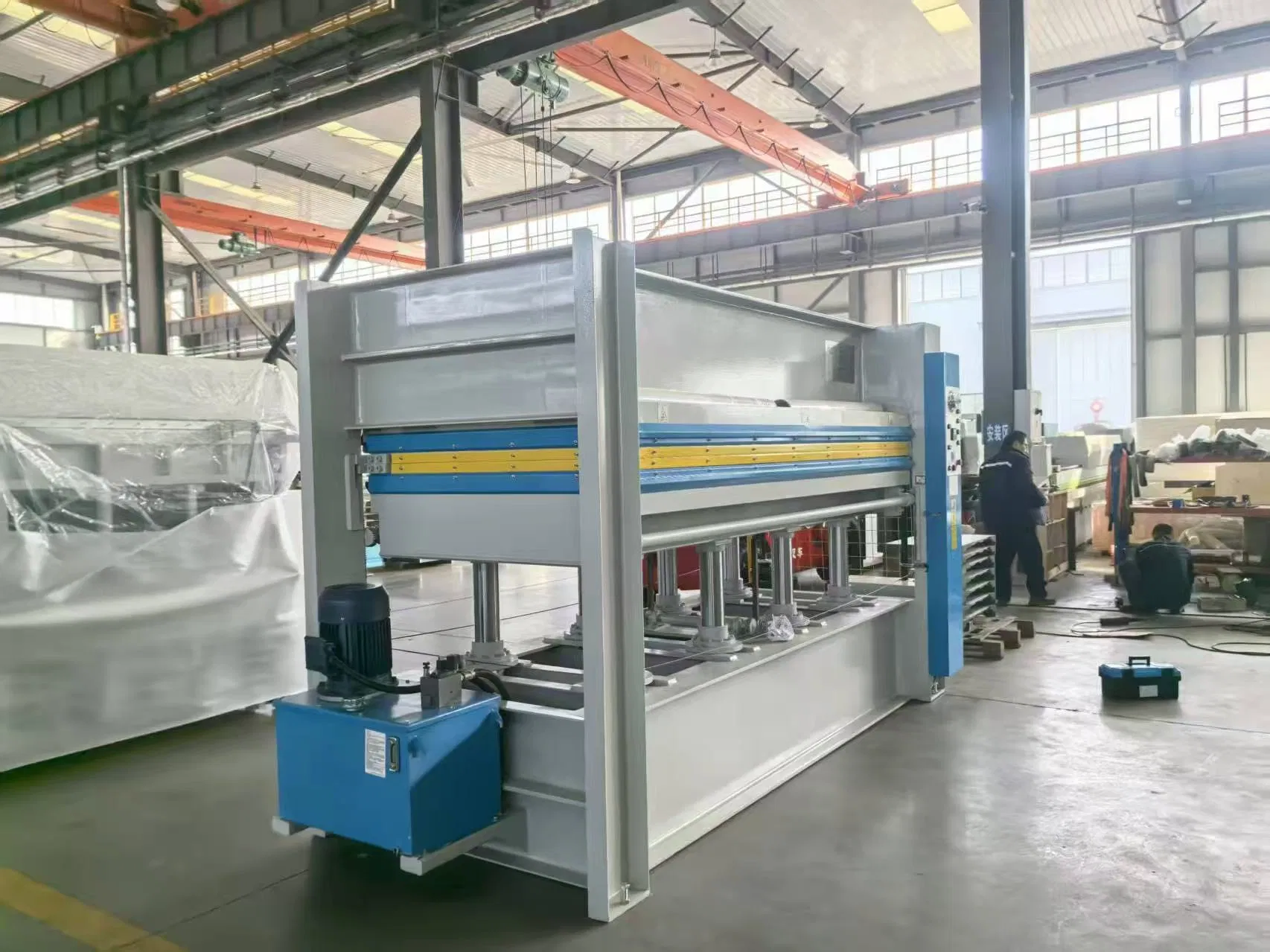
2026 Global Market Trends for Veneer Presses: Automation, Efficiency, and Cost Optimization
The global veneer press market is poised for significant transformation by 2026, driven by the dual imperatives of operational efficiency and sustainability. Key trends will revolve around advanced automation, enhanced energy efficiency, high-speed production capabilities, and strategic labor cost reduction. These factors are converging to redefine competitiveness in the wood-based panel industry.
Automation: The Cornerstone of Smart Manufacturing
Automation is rapidly moving from a competitive advantage to a baseline expectation in modern veneer production. By 2026, the integration of Industry 4.0 technologies will be widespread:
- Integrated Control Systems: Advanced PLCs and SCADA systems will provide real-time monitoring and control of pressure, temperature, and cycle times across entire press lines, minimizing human error and ensuring consistent veneer quality.
- Robotics and Material Handling: Automated loading/unloading systems using robotic arms or gantry systems will significantly reduce reliance on manual labor for heavy, repetitive tasks. This includes automated stacking of veneer sheets pre-press and handling of pressed panels post-press.
- Predictive Maintenance: Sensors embedded within presses will collect data on vibration, temperature, and hydraulic/pneumatic performance. AI-driven analytics will predict component failures before they occur, minimizing unplanned downtime and optimizing maintenance schedules.
- Digital Twins: Simulation models of the press line will allow for virtual testing of new production parameters, optimizing settings for different wood species and adhesive types without disrupting live production.
Energy Efficiency: A Critical Driver for Sustainability and Cost Savings
With rising energy costs and stringent environmental regulations, energy efficiency is paramount. Veneer presses, being major energy consumers (primarily thermal and electrical), are a key focus:
- Advanced Insulation & Heat Recovery: Next-generation presses will feature superior thermal insulation materials and integrated heat recovery systems. Waste heat from hot oil or steam systems will be captured and reused in pre-drying or building heating, drastically reducing overall energy demand.
- High-Efficiency Heating Systems: Adoption of electrically heated platens (especially with renewable energy sources) or optimized low-temperature steam systems will replace less efficient older technologies. Variable frequency drives (VFDs) on pumps and motors will ensure energy is only used as needed.
- Optimized Press Cycles: Smart control systems will dynamically adjust heating and pressure profiles based on real-time sensor data (moisture content, core temperature), shortening cycle times only when safe and effective, thereby saving energy per panel.
- Sustainability Credentials: Energy-efficient presses will be crucial for manufacturers seeking green building certifications (like LEED, BREEAM) and meeting corporate ESG (Environmental, Social, Governance) targets, becoming a key market differentiator.
High-Speed Production: Meeting Demand with Precision
The demand for wood-based panels continues to grow, particularly in emerging markets and for engineered wood products. High-speed production is essential:
- Reduced Cycle Times: Technological advancements in platen design (faster heat transfer), hydraulic/pneumatic systems (faster response), and adhesive formulations (faster cure) will enable significantly shorter pressing cycles without compromising bond strength or quality.
- Continuous Presses vs. Multi-Opening Batch Presses: While multi-opening batch presses dominate, continuous presses (like those used in LVL or OSB) will see increased adoption for specific high-volume applications, offering superior throughput. Hybrid models offering flexibility will gain traction.
- Line Integration & Synchronization: High-speed production requires seamless integration between the press and upstream (peeling, clipping, sorting, gluing) and downstream (cooling, trimming, sanding) processes. Real-time communication and synchronization will be critical to avoid bottlenecks.
- Quality Assurance at Speed: Inline quality control systems (e.g., automated thickness gauges, delamination detection, surface scanners) integrated with the press line will ensure quality is maintained even at higher production speeds.
Labor Cost Reduction: Enhancing Competitiveness
Rising labor costs, particularly in developed economies and increasingly in manufacturing hubs, necessitate strategies to reduce direct labor requirements:
- Automation as the Primary Tool: The automation trends mentioned above (robotic handling, automated loading/unloading, integrated control) are the most direct path to reducing the number of operators needed per shift and eliminating physically demanding, high-turnover roles.
- Remote Monitoring & Operation: Cloud-based platforms will allow technicians and supervisors to monitor press performance, diagnose issues, and even make adjustments remotely, reducing the need for constant on-site presence and enabling centralized oversight of multiple facilities.
- Upskilling Workforce: While reducing headcount in manual roles, there will be a growing demand for technicians skilled in maintaining and programming automated systems, data analysts, and process engineers. Investment in workforce training will be essential.
- Improved Safety & Working Conditions: Automation removes workers from hazardous environments (high heat, noise, heavy lifting), reducing accident rates, insurance costs, and associated downtime, further contributing to overall cost efficiency.
Conclusion
By 2026, the global veneer press market will be characterized by highly automated, energy-efficient, and high-speed production systems designed to minimize labor costs. Manufacturers investing in these technologies will achieve lower operational expenses, improved product consistency, enhanced sustainability profiles, and greater resilience in a competitive global market. The integration of these four pillars – Automation, Energy Efficiency, High-Speed Production, and Labor Cost Reduction – will define the next generation of veneer manufacturing.
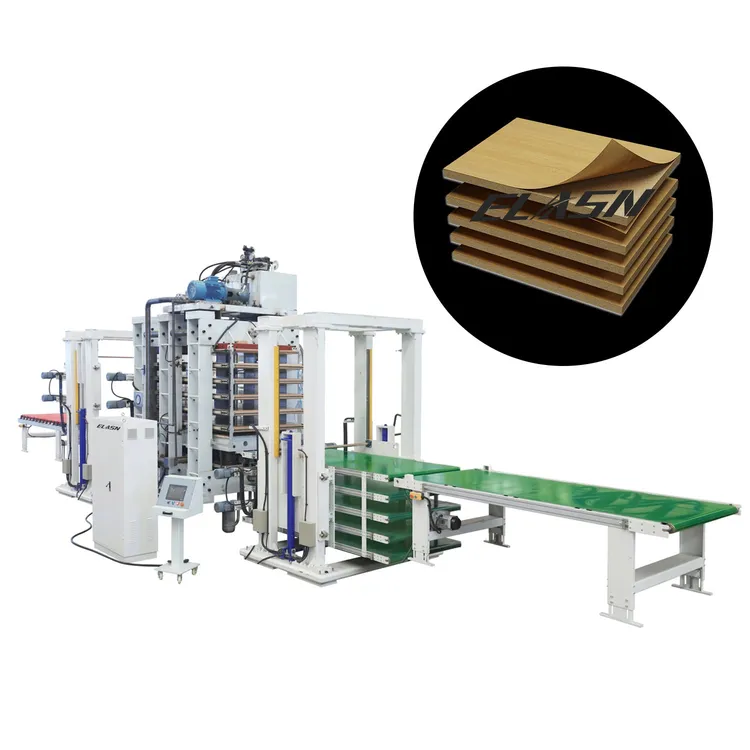
How to Evaluate a High-Quality Veneer Press: Key Check Points
When investing in a veneer press, ensuring long-term performance, reliability, and minimal downtime is crucial. A thorough evaluation should focus on several core components. Below are the essential check points to consider:
Steel Structure Durability
The steel frame of a veneer press must withstand high pressure and continuous operation over years. Evaluate the following:
- Material Thickness and Grade: Confirm the use of high-tensile, thick-gauge steel (e.g., Q345 or equivalent). Thicker plates (minimum 20–30 mm for critical sections) resist deformation.
- Welding Quality: Inspect for continuous, stress-relieved welds. Poor welding leads to structural fatigue and misalignment.
- Frame Design: Look for a robust, box-type or I-beam structure with reinforced stress points. A rigid frame ensures consistent pressure distribution and panel quality.
- Surface Treatment: Powder coating or anti-corrosion treatment protects against moisture and glue residue, enhancing longevity.
Motor Brand (e.g., Siemens/Mitsubishi)
The hydraulic and drive motors are central to press performance and energy efficiency. Reputable brands indicate reliability:
- Recognized Brands: Prioritize presses equipped with motors from global leaders like Siemens, Mitsubishi, ABB, or SEW. These offer proven durability, precision, and efficiency.
- Motor Specifications: Verify motor power (kW) matches production needs. Over-spec’ing increases costs; under-spec’ing causes strain and breakdowns.
- Energy Efficiency: Premium motors often meet IE3 or IE4 efficiency standards, reducing long-term operating costs.
- Cooling and Protection: Check for IP55 or higher protection ratings and adequate cooling systems to prevent overheating in continuous use.
PLC Control System
The PLC (Programmable Logic Controller) governs press automation, safety, and consistency. A high-quality system ensures precision and ease of operation:
- Brand and Model: Leading systems from Siemens (S7 series), Mitsubishi (FX/Q series), or Omron offer stable performance, remote diagnostics, and reliable support.
- User Interface: A clear, intuitive HMI (Human-Machine Interface) with touch screen allows easy recipe management, fault diagnosis, and parameter adjustments.
- Functionality: The system should support automatic cycle control, pressure/temperature monitoring, fault alarms, and data logging.
- Software Updates and Support: Ensure the manufacturer provides software updates and technical support for the PLC platform.
Spare Parts Availability
Downtime can be costly—accessible spare parts are critical for minimizing interruptions:
- Local Distribution: Confirm whether the manufacturer or supplier maintains a local inventory of common wear parts (seals, valves, sensors, heating elements).
- Standardized Components: Presses using off-the-shelf components (e.g., ISO standard hydraulic fittings) simplify sourcing and reduce lead times.
- Supplier Commitment: Evaluate the supplier’s spare parts policy—response time, minimum order quantities, and warranty support.
- Documentation: Request a complete spare parts list with part numbers and suppliers to assess long-term maintainability.
By thoroughly assessing these four key areas—Steel Structure Durability, Motor Brand, PLC Control System, and Spare Parts Availability—you can confidently select a high-quality veneer press that delivers consistent performance, reduces downtime, and offers strong return on investment.
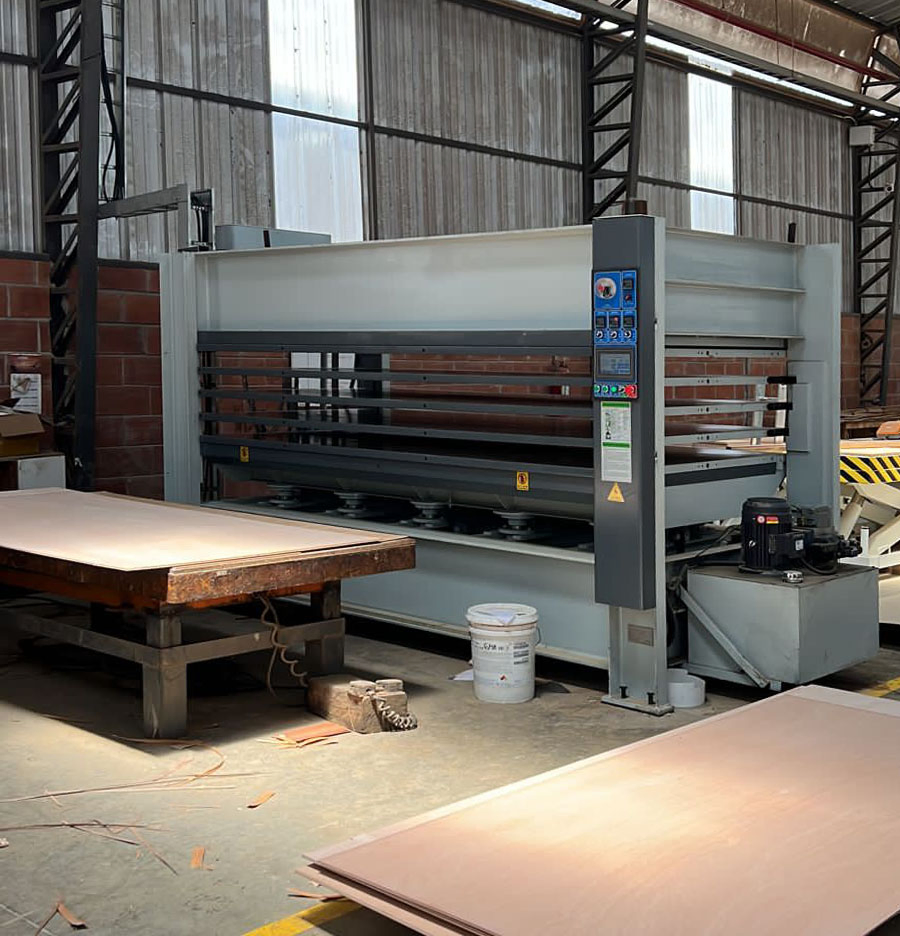
Guide for Importing Veneer Press from China: Key Considerations
When importing a veneer press from China, it’s essential to address several critical factors to ensure smooth operation, safety, and long-term reliability. Below are key aspects to evaluate before finalizing your purchase.
Voltage Requirements (380V/220V)
- Confirm Local Voltage Compatibility: Chinese manufacturers often produce machinery designed for 380V three-phase power, which is standard in industrial settings. Verify whether your facility operates on 380V or 220V single-phase, as mismatched voltage can damage equipment.
- Request Voltage Configuration Options: Before ordering, confirm with the supplier if the veneer press can be customized for 220V operation or if a step-down transformer is required. Not all models support dual voltage.
- Electrical Specifications Documentation: Ask for detailed electrical schematics and nameplate data to ensure compliance with your country’s electrical codes and safety standards (e.g., CE, UL, or local regulations).
- Transformer and Wiring Needs: If your site only supports 220V, budget for a suitable transformer and professional installation to avoid operational delays.
Installation Support
- On-Site Installation Services: Inquire whether the supplier offers on-site installation and commissioning by a technician. Some Chinese manufacturers provide this service for an additional fee, which may include travel and lodging.
- Remote Assistance: If on-site support isn’t available, ensure the supplier offers comprehensive remote guidance via video calls, manuals, and real-time troubleshooting.
- Installation Manual and Training: Request a detailed installation manual in English (or your local language), including foundation requirements, leveling procedures, and utility connections. Ask if operator training (on-site or virtual) is included.
- Local Partner or Agent: Consider working with a supplier that has a local representative or service agent in your country to streamline setup and initial support.
Warranty Terms
- Standard Warranty Duration: Most Chinese manufacturers offer a 12-month warranty on parts and workmanship. Clarify whether this covers only critical components (e.g., hydraulic system, heating elements) or the entire machine.
- Warranty Scope and Exclusions: Carefully review what is and isn’t covered—typically excluded are wear items (belts, rollers), damage from improper use, incorrect voltage, or lack of maintenance.
- Warranty Claim Process: Understand the procedure for filing a claim: Will parts be shipped immediately? Who covers shipping costs? Is there a required inspection process?
- Extended Warranty Options: Ask if extended warranty coverage is available for purchase, particularly for high-use environments.
Spare Blade and Parts Kits
- Availability of Spare Blades: Confirm that spare pressing plates or blades are available for your specific model. These are wear items and should be replaced periodically.
- Pre-Purchase Spare Parts Kit: Many suppliers offer a recommended spare parts kit including heating elements, sensors, seals, gaskets, and fasteners. Purchasing this upfront reduces downtime during maintenance.
- Lead Time for Replacement Parts: Inquire about typical delivery times for spare parts from China. Long lead times (4–8 weeks) are common, so stocking critical spares is advised.
- Compatibility and Standardization: Ensure replacement parts are clearly labeled and dimensionally compatible. Ask for part numbers and diagrams to simplify future reordering.
By addressing these four areas—voltage compatibility, installation support, warranty terms, and spare parts availability—you can significantly reduce risks and ensure a successful integration of your imported veneer press into your production workflow. Always request written confirmation of all terms and technical specifications before placing your order.
In conclusion, sourcing a veneer press manufacturer from China can offer significant cost advantages and access to advanced manufacturing capabilities. However, to ensure long-term reliability and performance, it is crucial to partner with reputable suppliers who provide CE-certified machinery, confirming compliance with European health, safety, and environmental standards. The CE mark not only reflects the manufacturer’s adherence to stringent quality controls but also facilitates smoother importation and acceptance in international markets. Equally important is arranging for thorough machine testing prior to shipment—this step verifies operational functionality, press accuracy, and system integration under real conditions, minimizing the risk of post-delivery issues. By prioritizing CE certification and pre-shipment testing, buyers can mitigate risks, ensure product quality, and establish a trustworthy foundation for a successful, long-term business relationship.