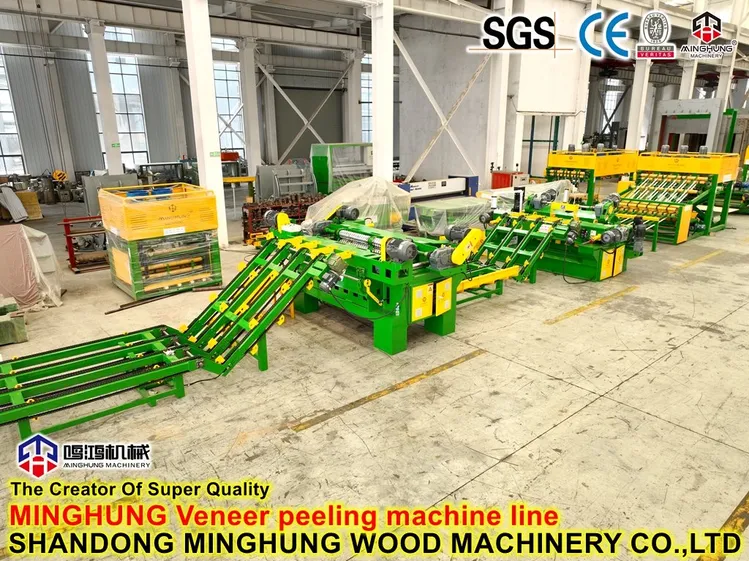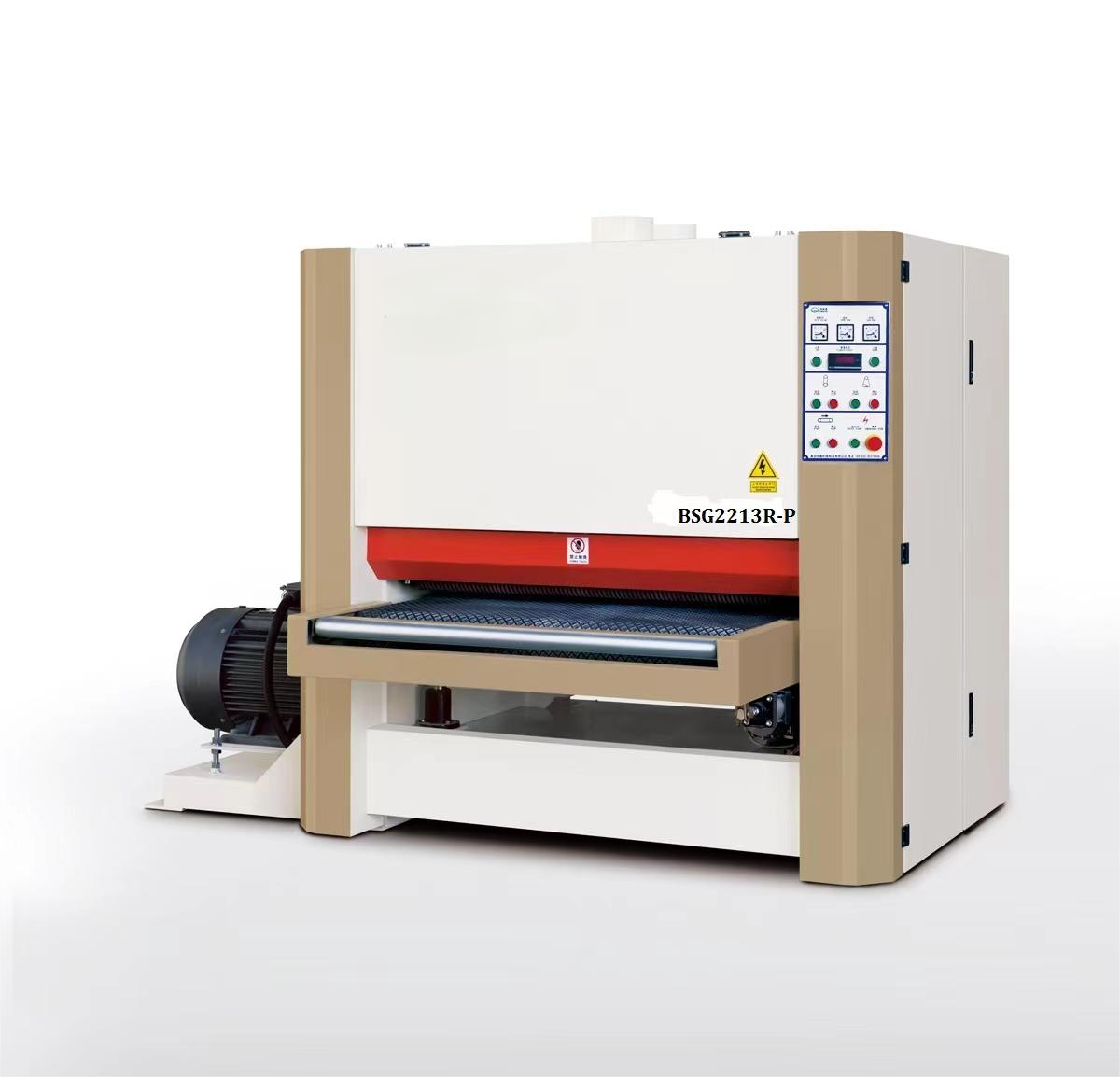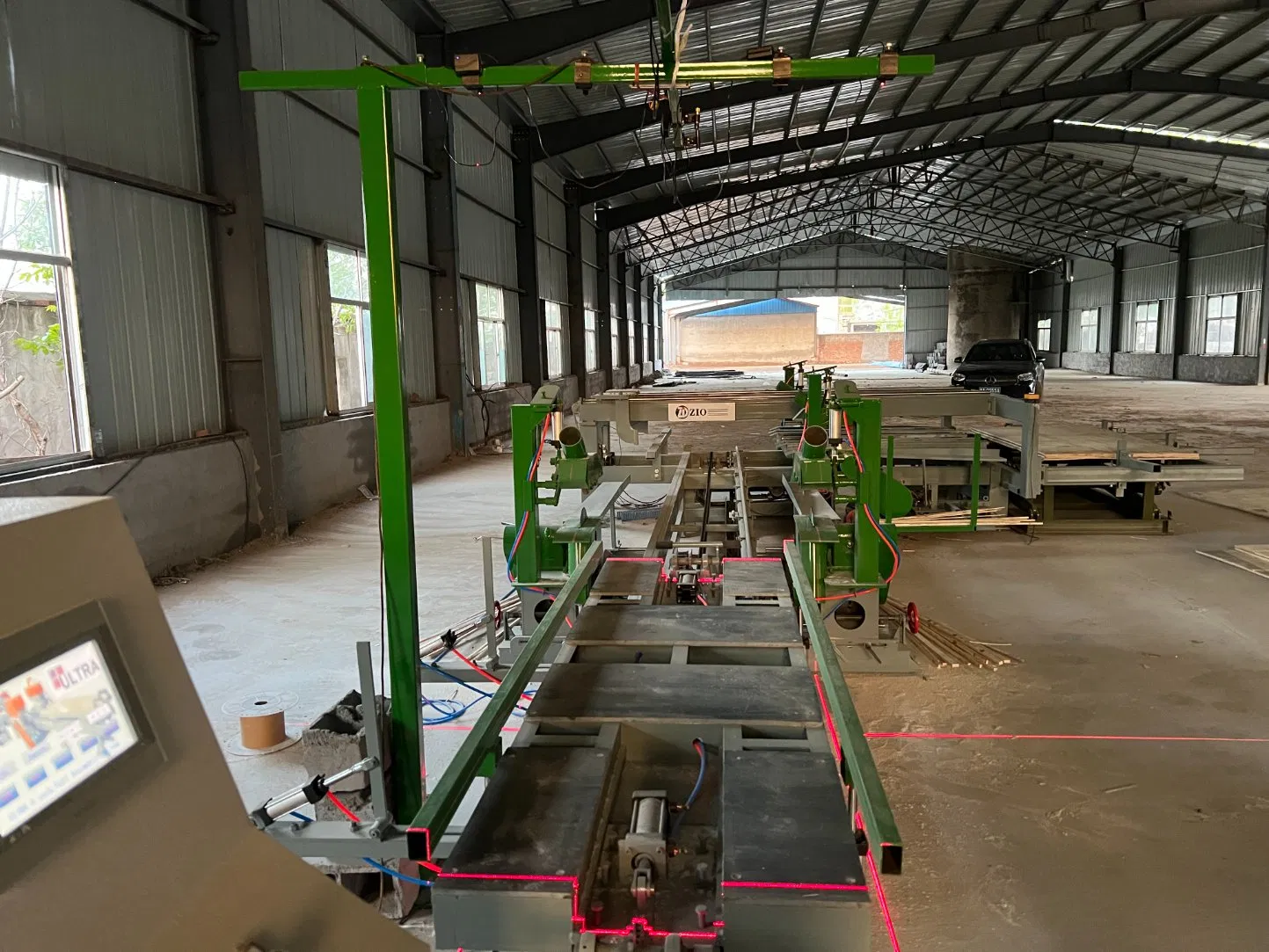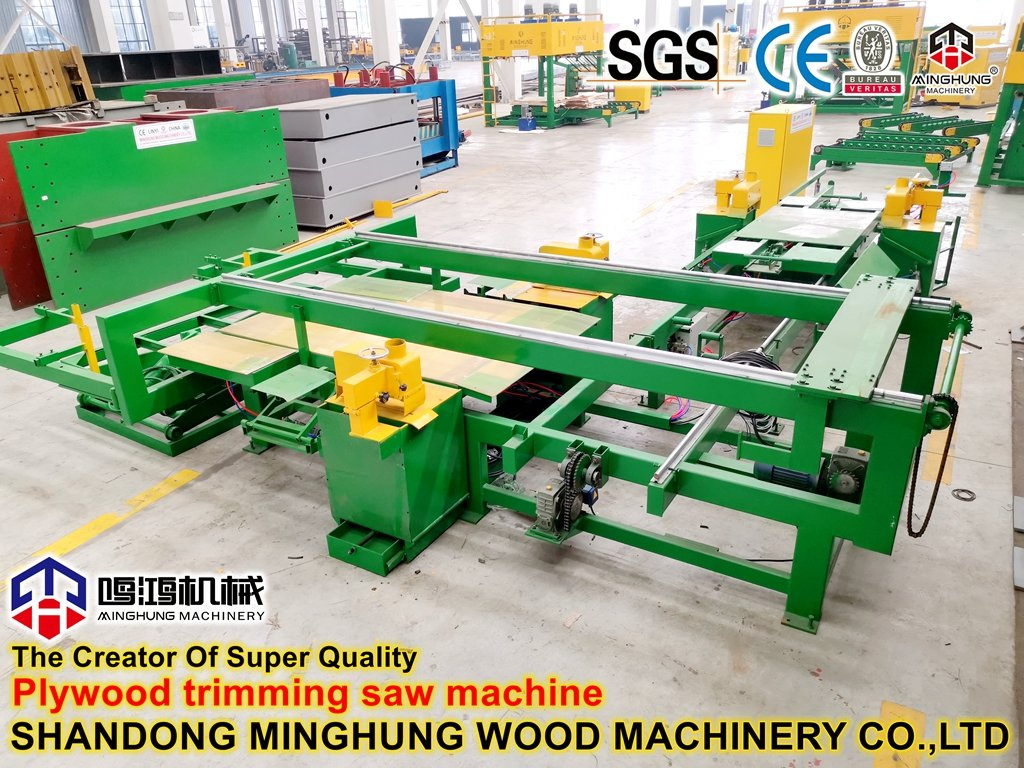

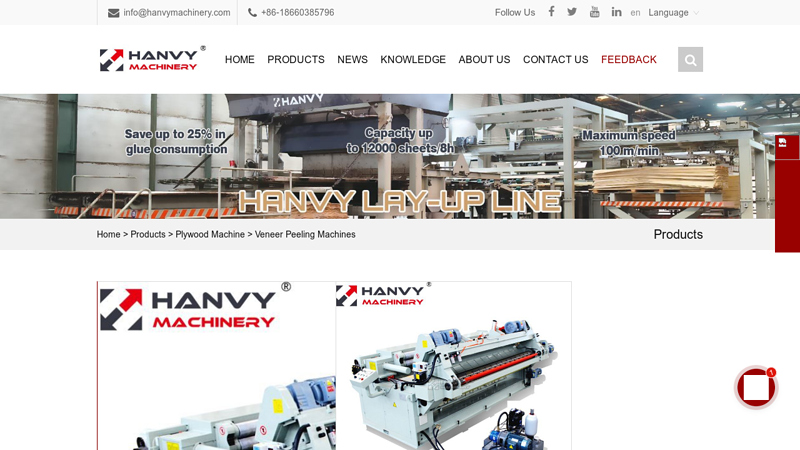
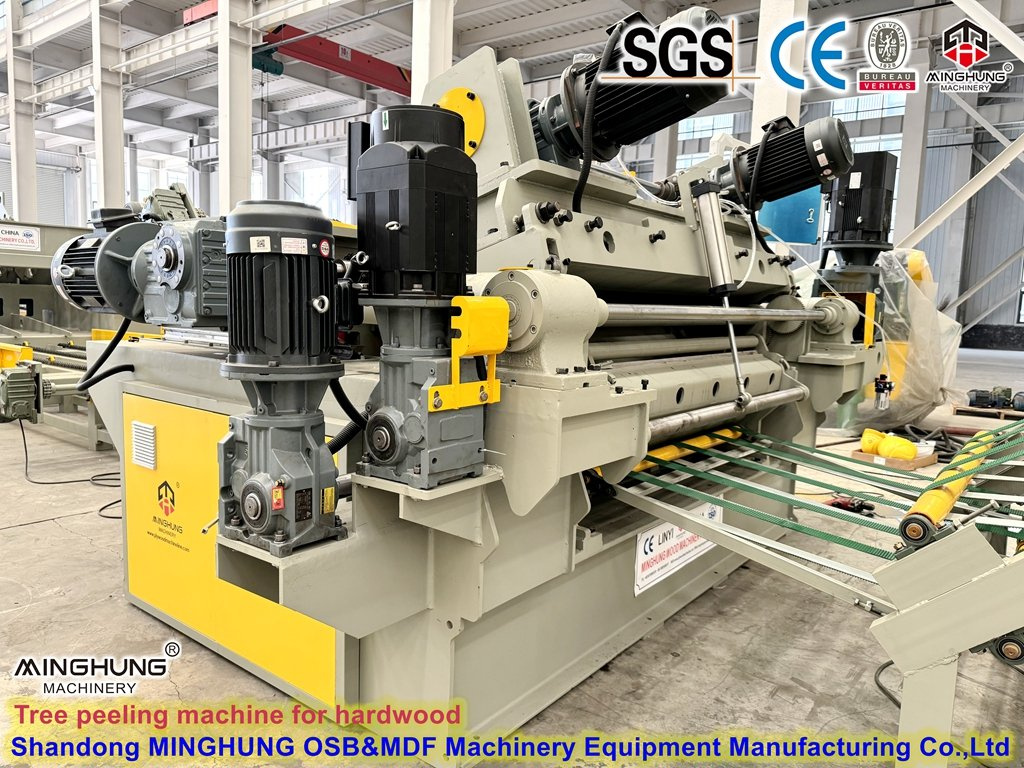
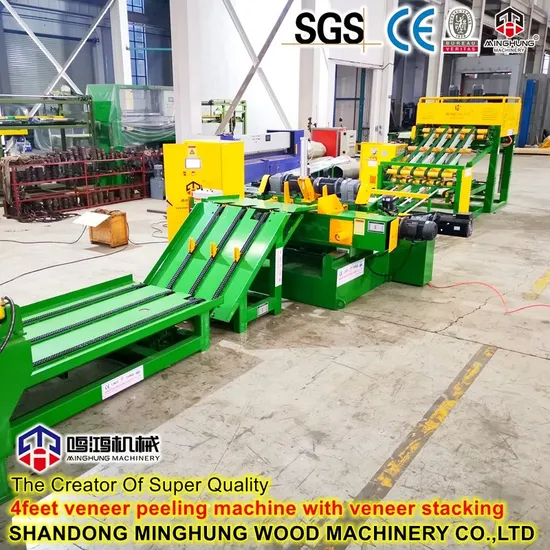
In the evolving landscape of wood processing, veneer peeling machines stand at the core of efficient and precise production. As demand for high-quality veneer continues to grow, manufacturers worldwide are turning to advanced machinery that delivers unmatched efficiency, long-term durability, and consistent performance. China, now a powerhouse in industrial manufacturing, has emerged as a leading source of innovative and cost-effective veneer peeling solutions, combining cutting-edge engineering with scalable production capabilities. This 2026 review highlights the top six manufacturers driving progress in the sector—selected for their technological excellence, reliability, and contribution to modernizing global veneer production.
أفضل 6 شركات مصنعة لآلات تقشير القشرة الخشبية (مراجعة 2026)
(مرتبة حسب القدرة التقنية والسمعة في السوق)
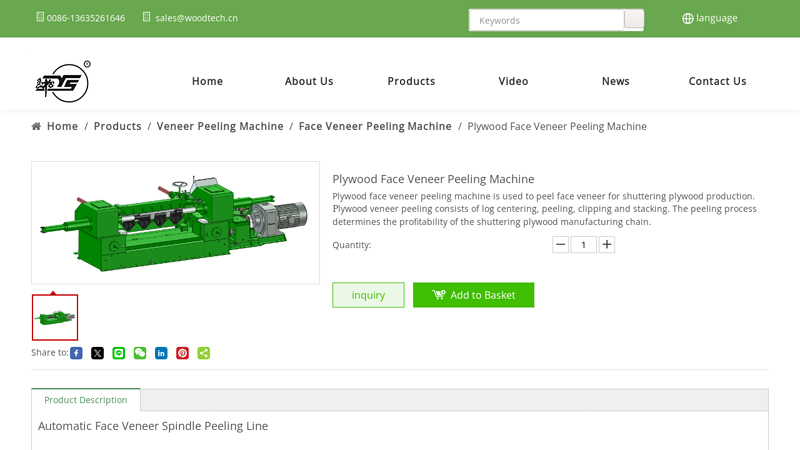
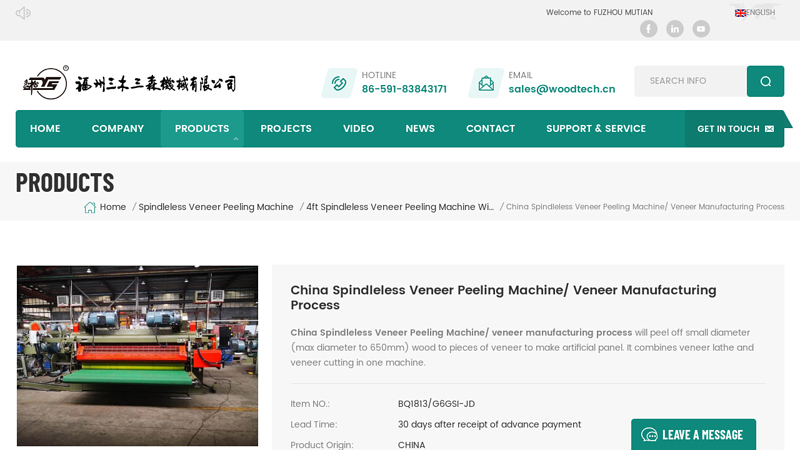
دليل الشراء الاحترافي: آلات تقشير القشرة الخشبية
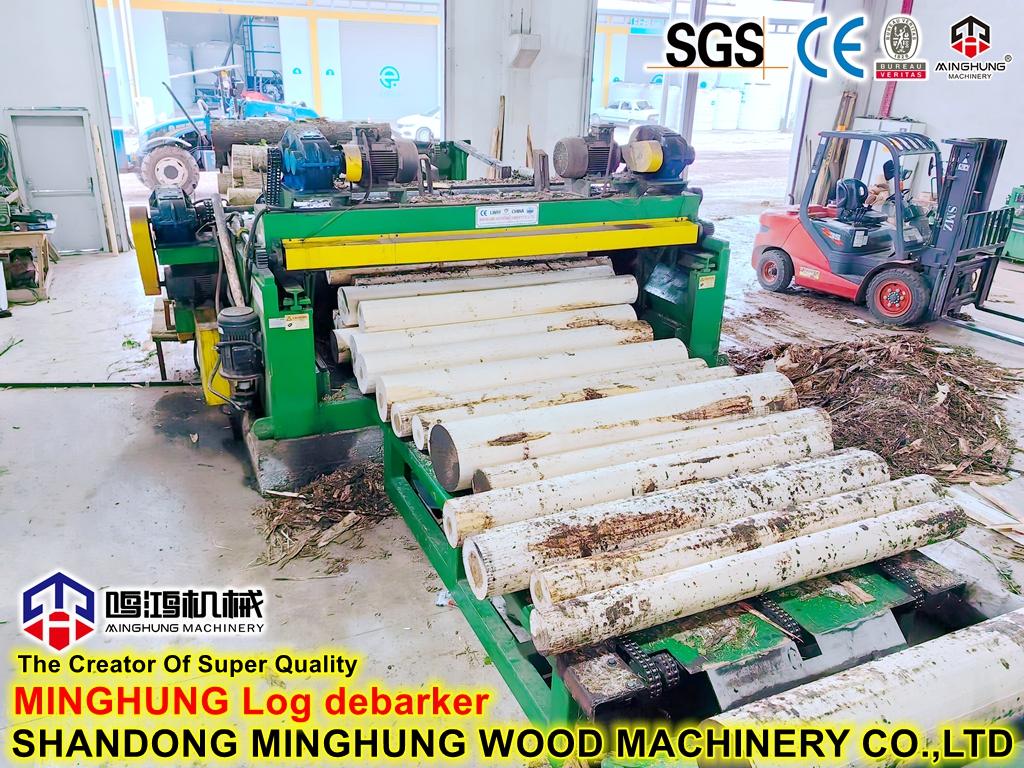
2026 Global Market Trends for Veneer Peeling: Automation, Energy Efficiency, High-Speed Production, and Labor Cost Reduction
As the global veneer peeling industry moves toward 2026, manufacturers and suppliers are increasingly aligning their operations with advanced technological integration, sustainability mandates, and cost optimization strategies. Key drivers shaping the market include rising demand for engineered wood products, stricter environmental regulations, and labor market constraints. This analysis explores the critical trends in the veneer peeling sector—focusing on automation, energy efficiency, high-speed production, and labor cost reduction—and their projected impact by 2026.
Automation: Driving Precision and Consistency
Automation is rapidly becoming a cornerstone of modern veneer peeling operations. By 2026, fully automated peeling lines are expected to dominate new installations, particularly in North America, Europe, and parts of East Asia. Advanced CNC (Computer Numerical Control) lathes, AI-powered log positioning systems, and real-time thickness monitoring are enhancing precision and minimizing waste.
Machine vision systems now enable real-time defect detection, allowing for immediate adjustments during the peeling process. This reduces downgrades and increases yield from each log. Additionally, robotic arms are increasingly deployed for log loading, veneer stacking, and sorting, minimizing human intervention and reducing operational bottlenecks.
The integration of IoT (Internet of Things) platforms allows manufacturers to monitor machine performance remotely, predict maintenance needs, and optimize production scheduling. As a result, downtime is reduced, and overall equipment effectiveness (OEE) improves significantly. According to industry forecasts, automation adoption in the veneer sector will grow at a CAGR of over 7% from 2023 to 2026, with automation solutions accounting for nearly 40% of new capital expenditures in key veneer-producing regions.
Energy Efficiency: Meeting Sustainability Goals
Energy efficiency is a growing priority for the veneer industry, driven by both regulatory pressures and corporate sustainability commitments. The peeling process, particularly log conditioning and drying, is highly energy-intensive. In response, equipment manufacturers are developing energy-optimized peeling lathes and heat recovery systems.
By 2026, a significant number of new installations are expected to feature variable frequency drives (VFDs), regenerative braking systems, and advanced insulation in steam and hot water circuits. These technologies help reduce electricity and thermal energy consumption by up to 25% compared to conventional systems.
Moreover, the use of biomass-based heating—derived from wood waste generated during peeling—is expanding, particularly in Scandinavia and Southeast Asia. This closed-loop energy approach lowers reliance on fossil fuels and contributes to carbon neutrality goals. Certification standards such as FSC and PEFC are also incentivizing mills to adopt energy-efficient technologies to maintain compliance and market access.
High-Speed Production: Scaling Output with Quality
High-speed peeling lines are redefining productivity benchmarks in the veneer sector. By 2026, next-generation peeling machines are expected to operate at rotational speeds exceeding 200 RPM, enabling continuous production of veneer sheets at thicknesses as low as 0.2 mm with minimal breakage.
Advancements in knife-holding mechanisms, spindle stability, and real-time tension control are critical enablers of high-speed operation. These improvements allow consistent peeling even with irregular or mixed-species logs, expanding raw material flexibility. High-speed systems are particularly beneficial for large-scale plywood and LVL (Laminated Veneer Lumber) producers, where throughput directly impacts competitiveness.
Coupled with automated material handling, high-speed lines reduce cycle times and increase annual output per machine by 30–50% compared to traditional setups. The global push for mass timber construction and prefabricated wood panels is further accelerating demand for such high-capacity systems.
Labor Cost Reduction: Shifting from Manual to Smart Operations
Labor costs are a significant component of veneer production, particularly in regions with rising wages and shrinking skilled labor pools. By 2026, the industry is expected to see a structural shift toward capital-intensive, labor-light operations.
Automation and digitalization are central to this transition. Automated log infeed systems, self-calibrating peeling units, and AI-driven quality inspection reduce the need for manual oversight. Remote monitoring and centralized control rooms enable a single operator to manage multiple machines, drastically improving labor productivity.
In emerging markets such as Vietnam, India, and Brazil, where labor remains relatively inexpensive, early-stage automation is being adopted to mitigate turnover and skill gaps. Training programs focused on machine operation and digital maintenance are emerging, reflecting a broader industry shift from manual craftsmanship to technical supervision.
Overall, labor cost per cubic meter of veneer produced is projected to decline by 15–20% by 2026 in automated facilities, improving margins and global competitiveness.
الخلاصة
By 2026, the global veneer peeling market will be characterized by a deep integration of automation, energy-efficient technologies, high-speed production capabilities, and reduced reliance on manual labor. These trends are not only enhancing operational efficiency but also aligning the industry with broader environmental and economic goals. Companies that invest in smart, sustainable, and scalable peeling technologies will be best positioned to lead in an increasingly competitive and regulated global marketplace.
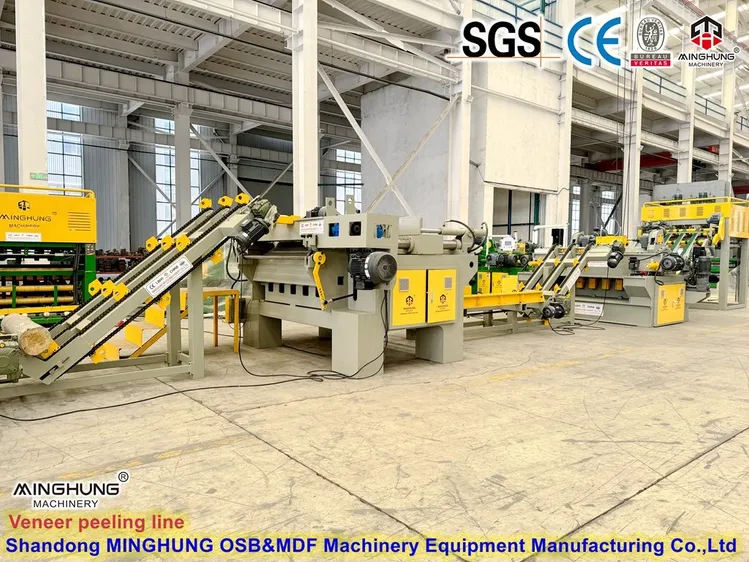
كيفية تقييم آلة تقشير القشرة عالية الجودة
When assessing the quality and long-term performance of a veneer peeling machine, several critical components must be thoroughly evaluated. Focus on the following key check points to ensure reliability, efficiency, and minimal downtime.
متانة الهيكل الفولاذي
The steel frame forms the backbone of the veneer peeling machine and directly impacts its stability, vibration resistance, and service life. A high-quality machine should feature:
- Thick-Gauge Steel: Look for a frame constructed from heavy-duty, high-tensile steel (e.g., Q345 or equivalent) to withstand continuous operational stress.
- Welded Construction: Fully welded joints (not bolted or spot-welded) ensure structural integrity and reduce vibration during high-speed peeling.
- معالجة مضادة للتآكل: Powder coating or galvanization protects against moisture and wood resin exposure, common in veneer production environments.
- الصلابة والمحاذاة: The structure must maintain precise roller and knife alignment over time to ensure consistent veneer thickness and reduce wear.
العلامة التجارية للمحرك وأدائه (على سبيل المثال، Siemens، Mitsubishi)
The drive motor is central to the peeling process, and its quality directly affects speed control, energy efficiency, and durability.
- العلامات التجارية ذات السمعة الطيبة: Motors from globally recognized manufacturers such as سيمنز, ميتسوبيشي, ، أو ABB are preferred due to their proven reliability, precision engineering, and long service life.
- Variable Frequency Drive (VFD): Ensure the motor is paired with a high-quality VFD for smooth speed regulation and energy savings.
- Power Rating & Duty Cycle: Confirm the motor is appropriately sized for continuous operation under load, with sufficient torque for peeling hardwood logs.
- Protection Rating: Motors should have at least IP54 protection to resist dust and moisture in industrial environments.
نظام التحكم PLC
A robust PLC (Programmable Logic Controller) system ensures automation accuracy, operational consistency, and ease of troubleshooting.
- العلامات التجارية الراسخة لشركة PLC: أنظمة من سيمنز (سلسلة S7), Mitsubishi (FX or Q series), ، أو أومرون are indicators of high-quality control architecture.
- واجهة المستخدم (HMI): A color touchscreen HMI should allow intuitive control of peeling parameters (feed speed, knife position, log diameter input) and real-time fault diagnostics.
- ميزات الأتمتة: Look for auto-thickness adjustment, log diameter detection, and knife wear compensation to enhance productivity.
- System Redundancy and Safety: The PLC should support emergency stops, overload protection, and data logging for process optimization.
توافر قطع الغيار
Ongoing maintenance and quick replacement of worn components are essential to minimize production downtime.
- Global Supplier Network: Machines using components from major brands (e.g., Siemens, SKF bearings, Bosch Rexroth hydraulics) benefit from widely available spare parts.
- Supplier Support: Evaluate the manufacturer’s or distributor’s ability to provide spare parts quickly — request a spare parts list and lead times.
- المكونات القياسية: Machines designed with standard mechanical and electrical components are easier and cheaper to maintain than those with proprietary parts.
- Local Service & Technical Support: Availability of trained technicians and local service centers greatly improves uptime and troubleshooting efficiency.
By carefully evaluating these four critical aspects—متانة الهيكل الفولاذي, ماركة المحرك, نظام التحكم PLC, ، و توافر قطع الغيار—you can confidently identify a high-quality veneer peeling machine that delivers long-term performance, operational efficiency, and reduced maintenance costs.
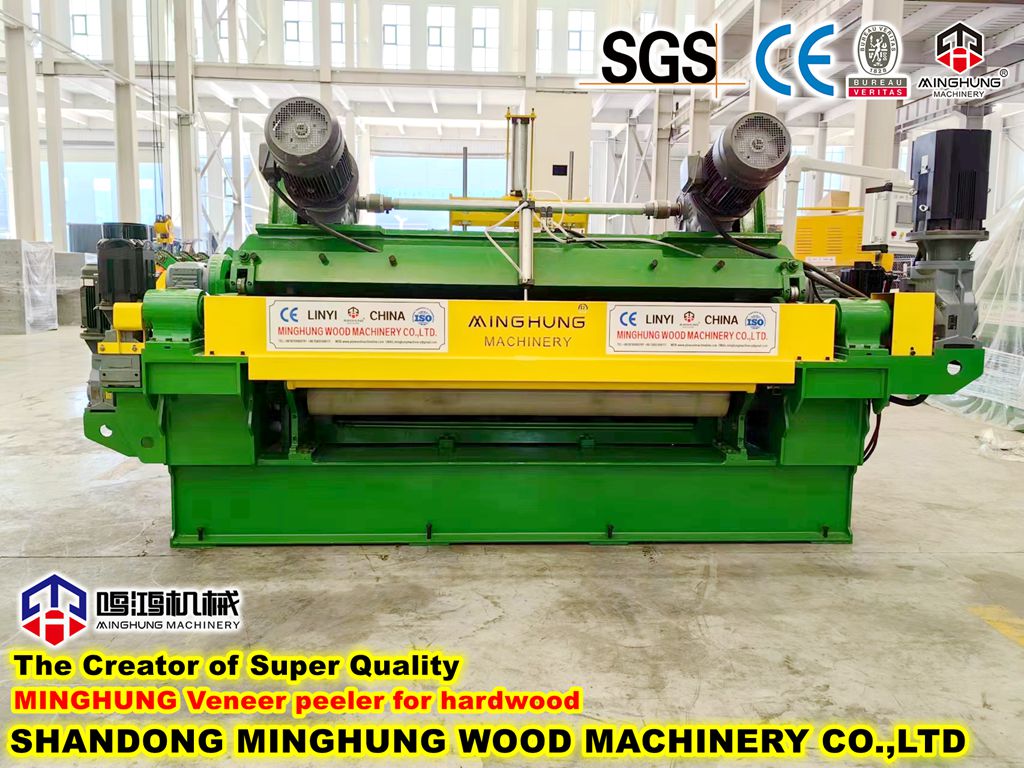
دليل لاستيراد آلات تقشير القشرة الخشبية من الصين
متطلبات الجهد الكهربائي (380 فولت/220 فولت)
When importing veneer peeling machines from China, voltage compatibility is a critical consideration. Most industrial-grade machines manufactured in China operate on طاقة ثلاثية الطور 380 فولت, which is standard in Chinese factories and industrial zones. However, depending on your region and facility setup, you may require 220 فولت أحادي الطور voltage.
- Confirm the exact voltage and phase (380V 3-phase vs. 220V 1-phase) your production facility supports before placing an order.
- Request voltage customization from the supplier if your local power supply differs from standard Chinese configurations.
- Ensure the machine includes a proper electrical control panel compatible with your country’s electrical codes and safety standards.
- Consider additional costs for transformers or voltage converters if adapting the machine post-import.
Always verify electrical specifications in writing with the supplier and request machine testing under your required voltage prior to shipment.
دعم التثبيت
Proper installation is essential for safe and efficient operation of veneer peeling machines. Many Chinese suppliers offer various levels of installation support:
- المساعدة في التثبيت في الموقع: Some manufacturers provide technician dispatch services to your facility for machine setup, calibration, and operator training. This service may incur additional fees for travel and labor.
- الدعم عن بعد: Video calls, manuals, and detailed installation guides (in English or your preferred language) are commonly offered at no extra cost.
- اختبار ما قبل الشحن: Reputable suppliers conduct factory acceptance tests (FAT) and provide video documentation showing the machine operating under load.
- Commissioning Checklist: Request a step-by-step commissioning guide, including foundation requirements, alignment procedures, and safety checks.
Clarify the scope of installation support in your purchase agreement. Negotiate included services or budget for third-party technical assistance if the supplier does not offer on-site support.
شروط الضمان
Warranty coverage varies significantly among Chinese manufacturers. Understanding the terms is crucial to protect your investment:
- فترة الضمان القياسية: يتراوح عادةً بين 12 إلى 24 شهراً from the date of shipment or commissioning.
- التغطية: Usually includes defects in materials and workmanship. Motors, gearboxes, and control systems are often covered, but wear parts (e.g., rollers, blades) may be excluded.
- الاستثناءات: Damage from improper use, lack of maintenance, incorrect voltage, or unauthorized repairs is generally not covered.
- استجابة الخدمة: Clarify whether warranty repairs require return to China or if local service is available through partners.
- توافر قطع الغيار: Confirm that warranty replacements are shipped promptly and at no cost during the coverage period.
Always request the warranty terms in writing and include them in the sales contract. Prefer suppliers with clear, enforceable warranty policies and responsive post-sales service.
مجموعة قطع غيار الشفرات والأجزاء
Veneer peeling machines require regular maintenance and part replacements, especially blades which wear quickly during operation.
- مجموعة شفرات احتياطية: Purchase an initial set of spare blades with your machine. High-quality carbide or tungsten blades are recommended for longevity and clean peeling.
- Comprehensive Spare Parts Kit: Consider ordering a starter kit including common wear items such as pressure bars, rubber rollers, bearings, belts, and fasteners.
- التوافر والمهلة الزمنية: Confirm the supplier’s ability to supply replacement parts quickly. Ask about standard lead times and minimum order quantities (MOQs).
- توافق الأجزاء: Ensure spare parts are precisely matched to your machine model. Request part numbers and diagrams for future orders.
- Cost and Storage: Factor in the cost of spare kits when budgeting. Store blades and critical components in a dry, secure environment to prevent damage.
Establish a long-term parts supply agreement with your supplier to ensure continuity of operations and reduce machine downtime.
In conclusion, sourcing a veneer peeling machine from China can offer significant cost advantages and access to advanced manufacturing technology. However, to ensure safety, reliability, and compliance with international standards, it is crucial to verify that the machine carries a valid CE certification. This certification confirms that the equipment meets essential health, safety, and environmental protection requirements set by the European Union—making it a strong indicator of quality and adherence to global standards. Additionally, arranging for pre-shipment testing and inspection of the machine is highly recommended. This step allows buyers to verify the machine’s performance, functionality, and overall condition before it leaves the supplier’s facility, minimizing the risk of operational issues upon arrival. By prioritizing CE certification and thorough testing, buyers can make informed decisions, reduce potential risks, and ensure a smooth integration of the veneer peeling machine into their production process.