
Choosing the right veneer peeling machine is one of the most critical decisions when setting up or upgrading a plywood production line. The two mainstream technologies—spindle rotary lathe (with spindles) and spindle-less peeler—each come with distinct advantages, and understanding their differences is key to matching your raw material, output goals, and budget.
In this guide, we break down the difference between spindle and spindle-less peeler, help you decide which is the best veneer peeling machine for small logs, and provide a practical decision framework based on real-world production scenarios.
Quick Comparison: Spindle vs. Spindle-less Veneer Peeler
| Característica | Spindle Peeler (Rotary Lathe) | Spindle-less Peeler |
| Suitable Log Diameter | Typically ≤ 2000 mm, ideal for large-diameter logs | ≤ 600 mm, excels with small-diameter logs (even down to 80-100 mm) |
| Core Remainder (Waste) | Leaves a solid core of approx. 40-70 mm in diameter | Extremely small core, often ≤ 26 mm, maximizing veneer recovery |
| Veneer Quality | Excellent thickness uniformity and surface finish, especially for high-grade face veneers | Good uniformity; some models may show slight chatter on very hard species, but modern servo-driven units have largely closed the gap |
| Velocidad de pelado | High-speed continuous peeling; can exceed 80-100 m/min linear speed | Moderate to high speed, typically 40-120 m/min, depending on log condition |
| Automation Level | Often manual or semi-automatic log charging; new models have automated centering | Highly automated charging and peeling, ideal for in-line production |
| Investment Cost | Generally higher initial cost due to robust spindle structure and centering mechanism | Often lower mechanical complexity, making it a cost-effective entry point for small-log lines |
| Best for | Large diameter hardwood/softwood; high-quality face veneer; large-scale plywood mills | Hardwood, softwood and regular logs; core veneer; high recovery requirements |
Spindle Veneer Peeler: Strengths, Limitations, and Ideal Applications
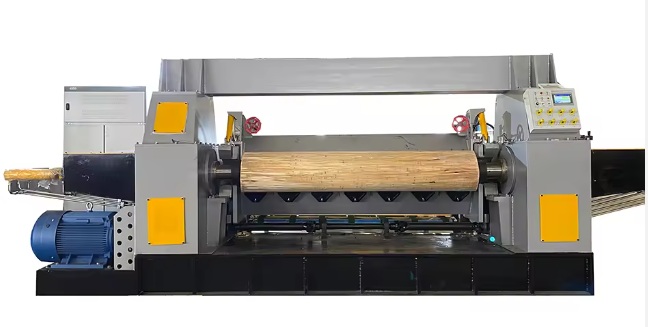
Also known as a rotary veneer lathe with spindles, this machine grips the log from both ends using chucks. The log rotates around its central axis, delivering consistent peeling geometry.
Why choose a spindle peeler?
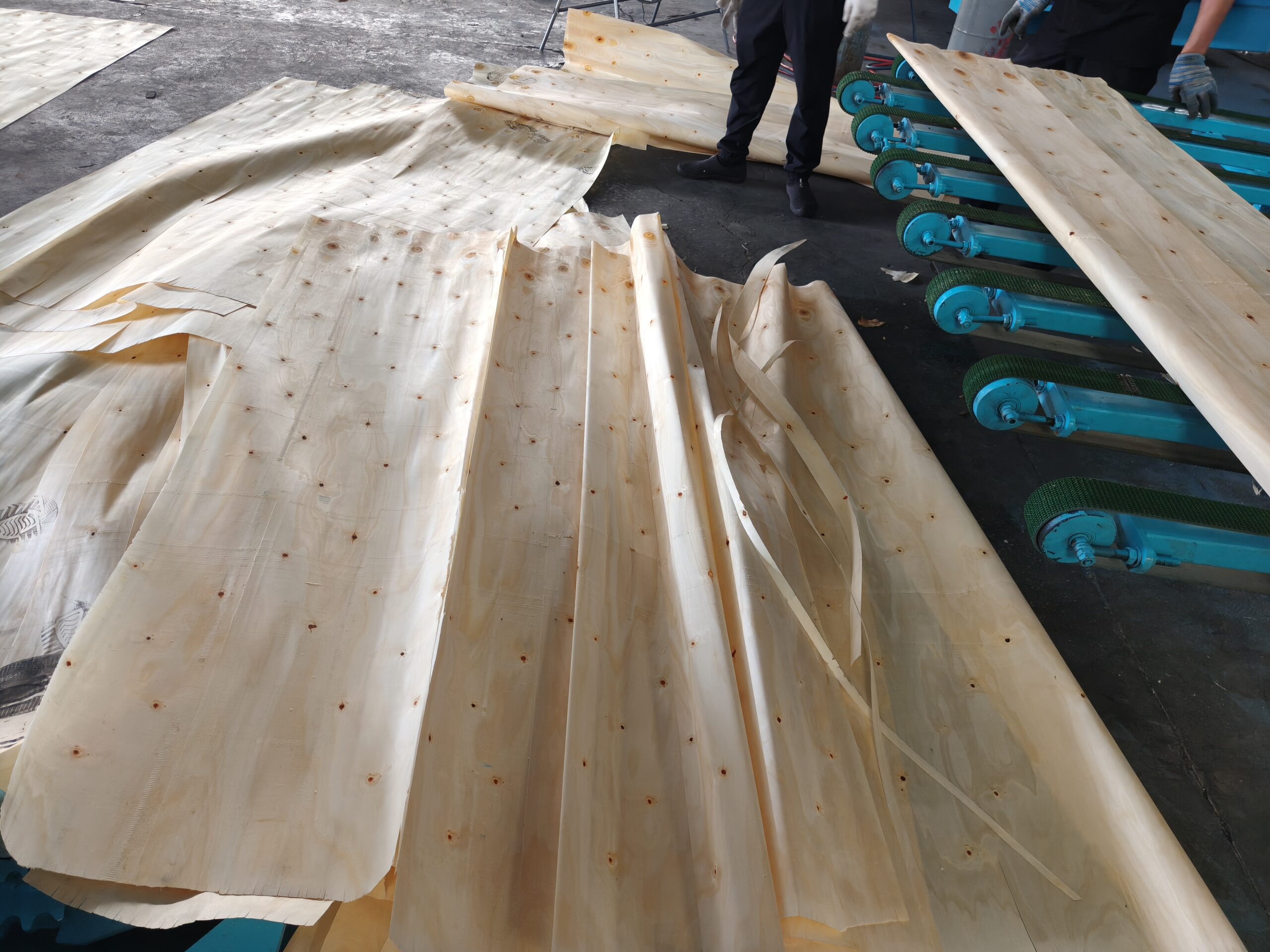
Unmatched veneer quality. The fixed rotation ensures extremely tight thickness tolerance (often ±0.05 mm) and a smooth surface—critical for high-grade face veneer used in furniture or visible plywood panels.
Handles large, heavy logs. If your raw material includes logs with diameters of 600 mm, or even larger, a spindle lathe is often the only practical choice. It can peel big hardwood logs (e.g., okoume, birch) efficiently.
Higher peeling speeds. Modern heavy-duty spindle lathes can achieve very fast cycle times, boosting your daily output significantly.
Limitations to consider
Larger residual core. The spindles require a certain grip area, so the leftover wood core is usually 40-70 mm in diameter. This “waste” core can be re-used in other processes (like making wood chips), but it represents lost veneer recovery.
More complex setup. Log centering is crucial to avoid uneven peeling. Many operations rely on a separate log centering device or a skilled operator.
Higher upfront investment. The robust design and additional centering/hydraulic systems push the initial cost higher.
Typical application: A plywood mill processing large-diameter poplar or birch logs for high-end construction plywood. The operator prioritizes face veneer quality and high throughput, and can tolerate a larger core waste or has a chipper to use it.
Spindle-less Veneer Peeler: Strengths, Limitations, and Ideal Applications
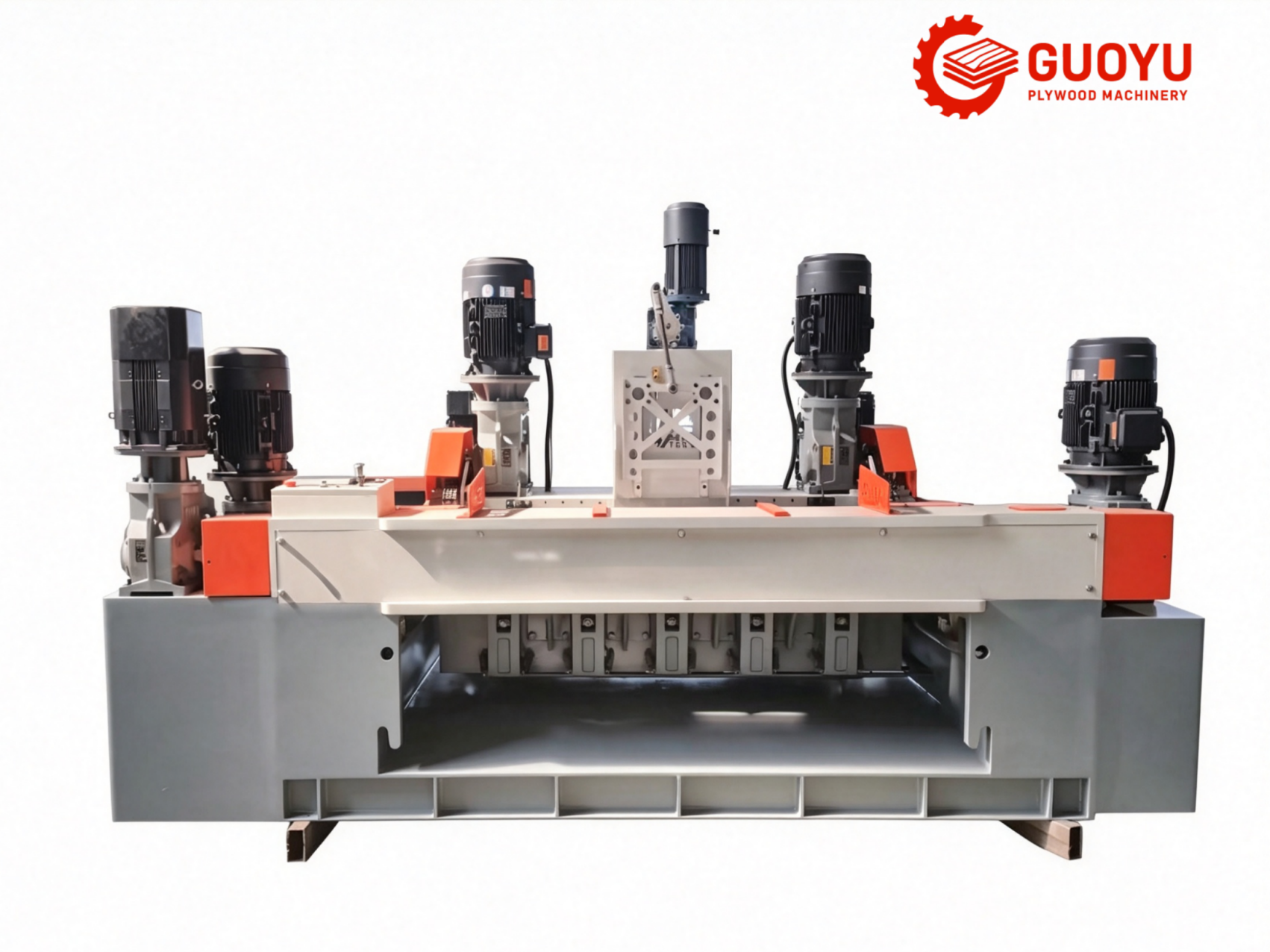
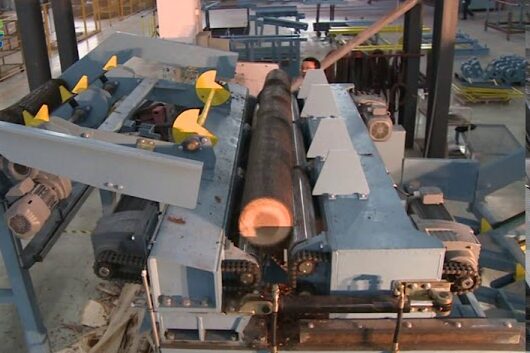
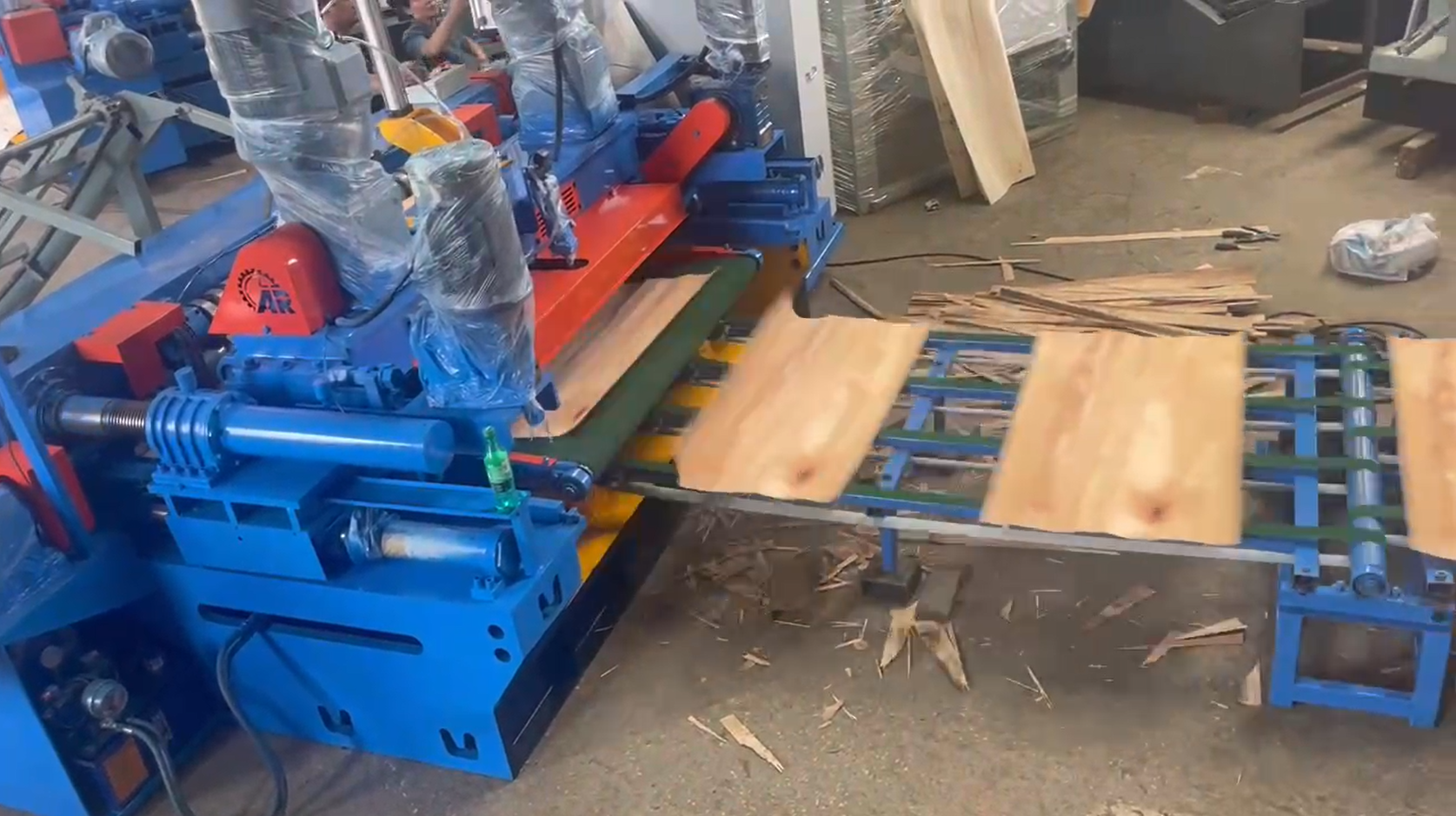
A spindle-less peeler uses drive rollers and pressing rollers to rotate the log without gripping the ends. The log is driven by friction and peeled from the outside in.
Why choose a spindle-less peeler?
Maximizes veneer recovery. The most celebrated advantage: the residual core can be as small as 22-26 mm. When peeling small plantation poplar (e.g., 100-200 mm diameter), this translates into significantly more veneer sheets per log. For many mills, this recovery gain alone justifies the machine.
Best veneer peeling machine for small logs. If your raw material is mostly small-diameter plantation wood (poplar, eucalyptus, pine), a spindle-less machine is tailor-made. It can economically peel logs that would be unusable on many spindle lathes.
Seamless automation. Spindle-less peelers integrate naturally with automatic log charging, centering, and infeed/outfeed conveyors. They fit perfectly into a continuous high-recovery plywood production line.
Lower investment, simpler maintenance. Without the complex spindle chucking system, the machine is mechanically simpler and often has a lower purchase price, making it an attractive choice for new or expanding plywood plants.
Limitations to consider
Veneer quality can vary. On very hard or irregular logs, the friction drive may introduce minor thickness variation or “chatter.” However, contemporary servo-controlled machines with advanced pressure regulation have minimized this issue significantly.
Log diameter limitations. While some heavy-duty models can handle logs up to 600 mm or more, the sweet spot is typically below 400mm. For very large hardwood logs, a spindle lathe is still preferred.
Typical application: A poplar plywood mill using plantation poplar with diameters ranging from 120 mm to 280 mm. The goal is to maximize core veneer output, minimize wood waste, and run a highly automated, continuous line. The mill may also pair the peeler with a log debarker/rounding machine to improve peeling efficiency.
Decision Guide: Which One Fits Your Production?
If you’re still unsure, ask yourself these questions:
1. What is your primary log diameter?
Mostly above 250 mm, and you need top-quality face veneer → consider a spindle peeler.
Mostly below 300 mm (and especially 100-200 mm), and recovery rate is crucial → a spindle-less peeler is almost certainly your best bet.
2. What is your daily output target and automation level?
For high-speed, large-volume mills that can tolerate larger cores → spindle.
For high-recovery, automated lines that want to minimize labor → spindle-less.
3. What species are you processing?
Hard, heavy hardwood → spindle may yield better surface finish.
Soft to medium hardwood (poplar, eucalyptus) or pine → spindle-less performs excellently.
Example scenario:
If your main raw material is poplar with an average diameter of 30-35 cm, your daily capacity target is 50-60 cubic meters, we typically recommend a spindle-less peeler for maximum recovery and a rapid return on investment. For mixed lines processing both large and small logs, a combination of a spindle and a spindle-less machine can be the optimal solution.
Upstream Efficiency: Don’t Forget the Log Preparation
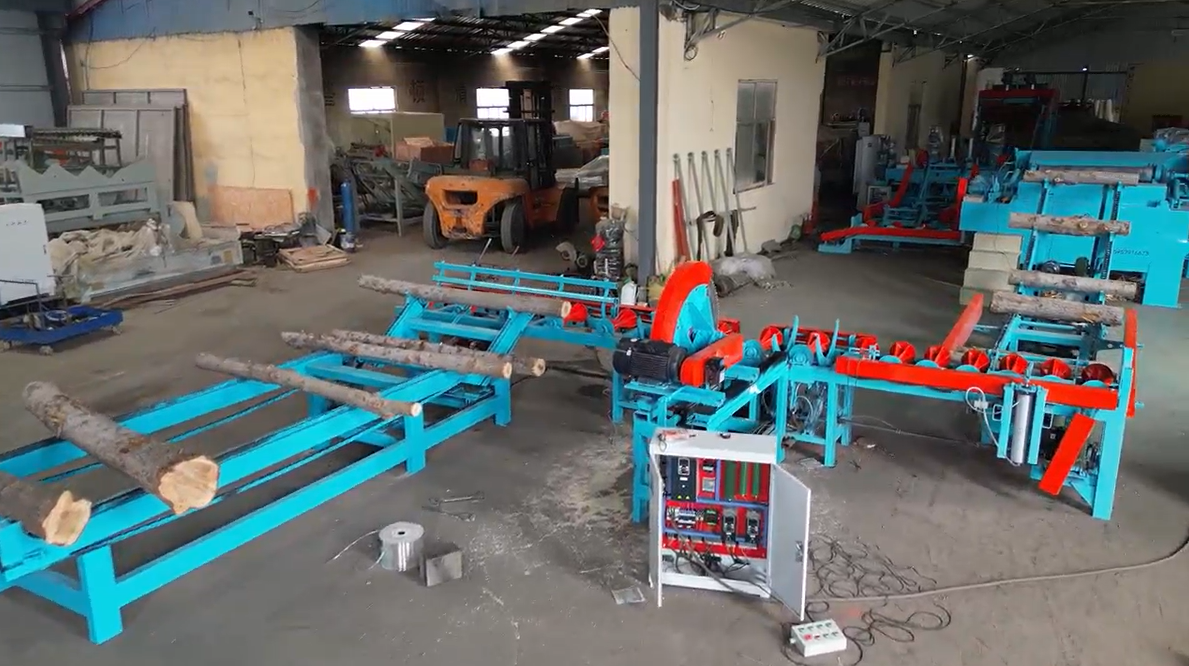
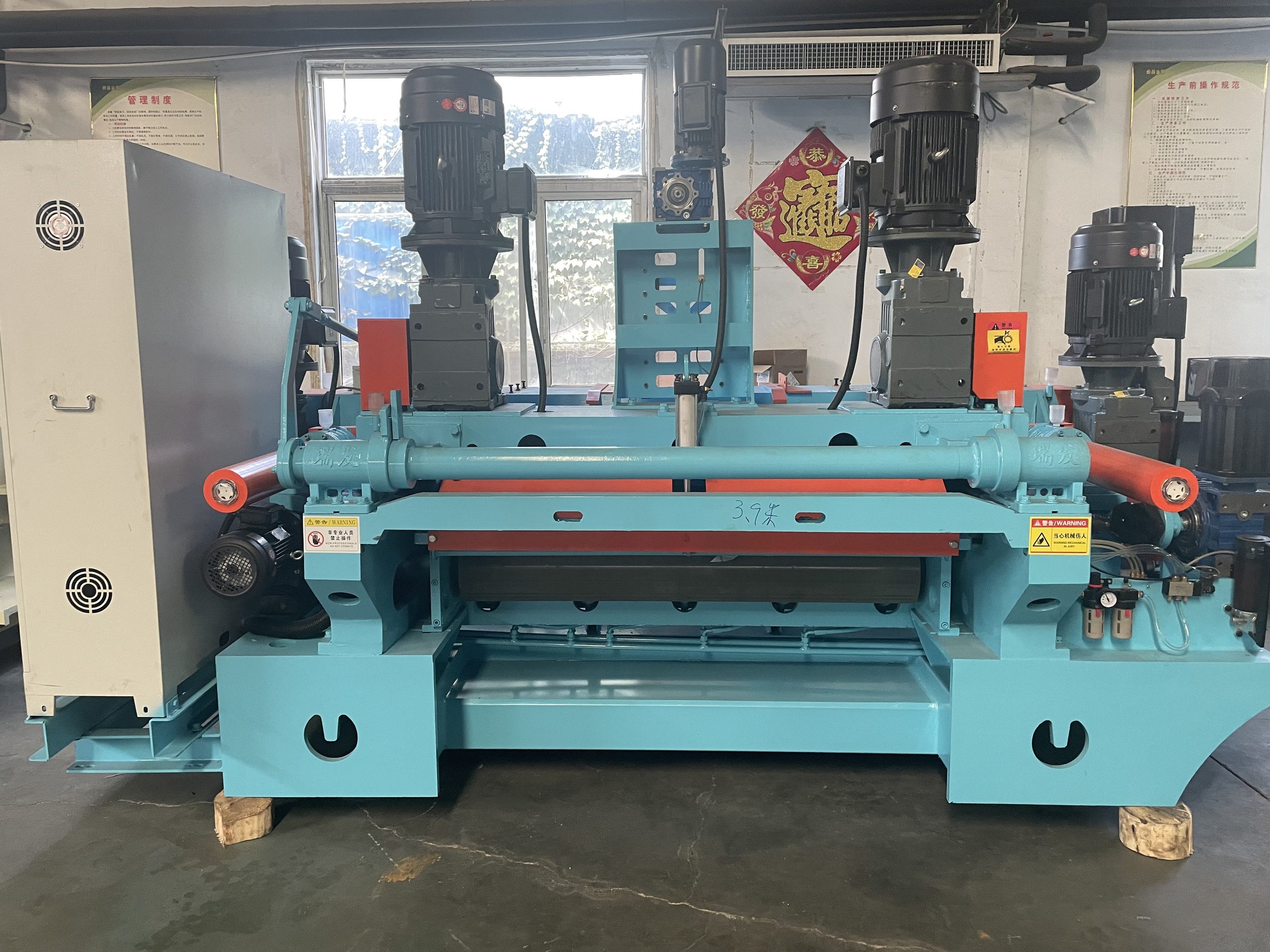
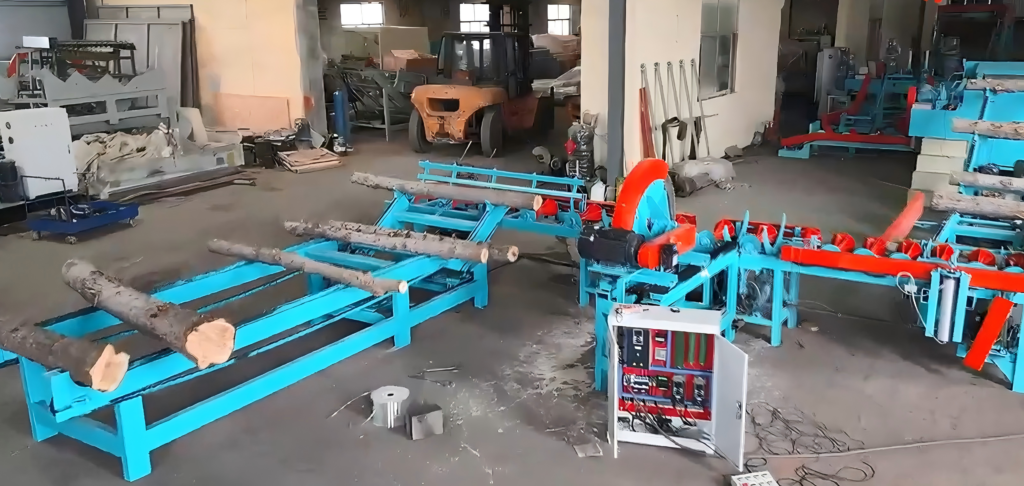
Whether you choose a spindle or spindle-less peeler, the quality and productivity of your peeling process depend heavily on the log preparation stage. That’s where our log debarker & rounding machine (often called a log peeler or finder) comes into play.
Before logs enter the veneer peeler, the debarker removes the bark and shapes the log to a uniform round profile. This:
Reduces knife wear in the veneer peeler.
Improves veneer quality and thickness accuracy.
Increases overall line efficiency.
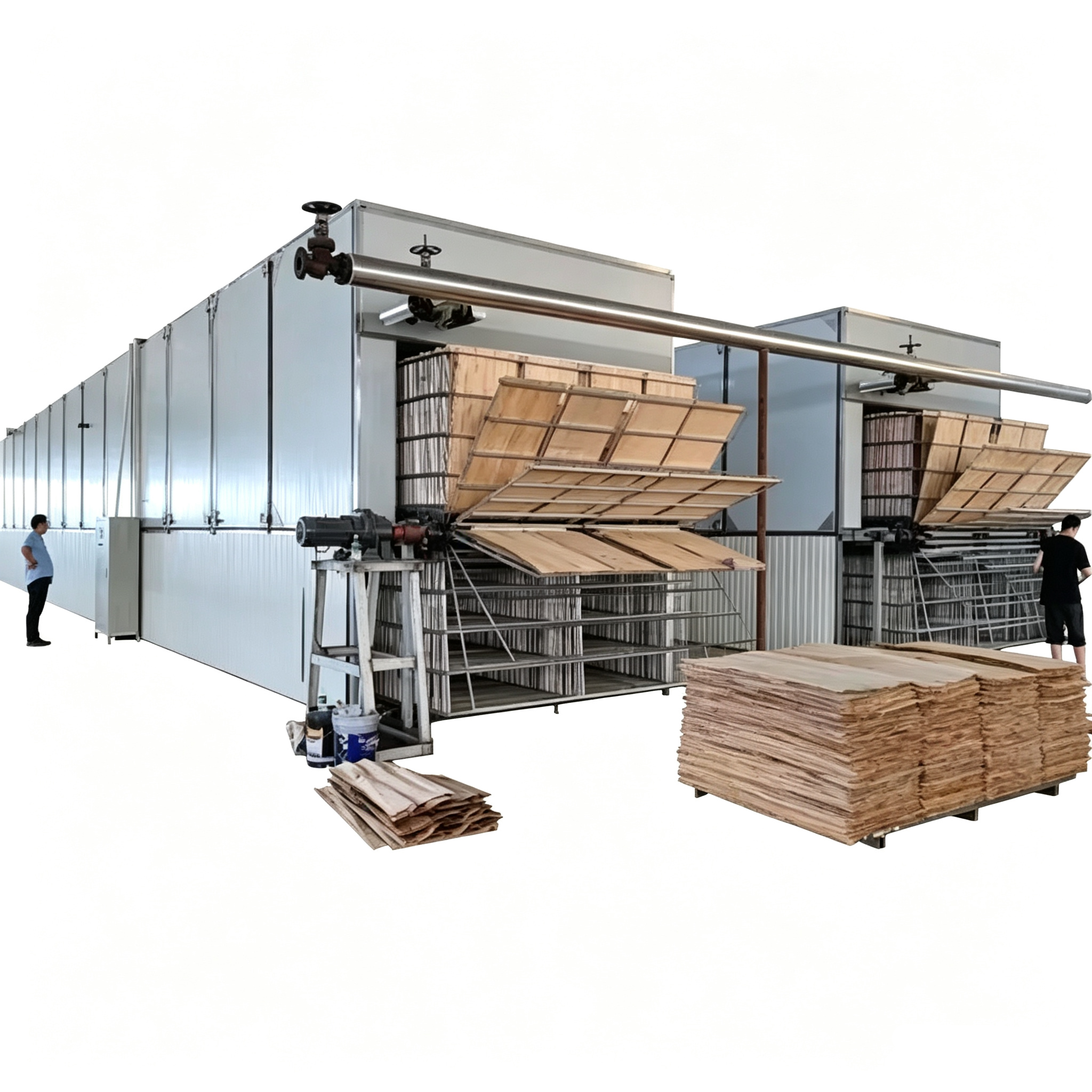
We design complete peeling line solutions, so you can source a perfectly matched debarker + veneer peeler (spindle/spindle-less) + veneer dryer combination from a single responsible partner.
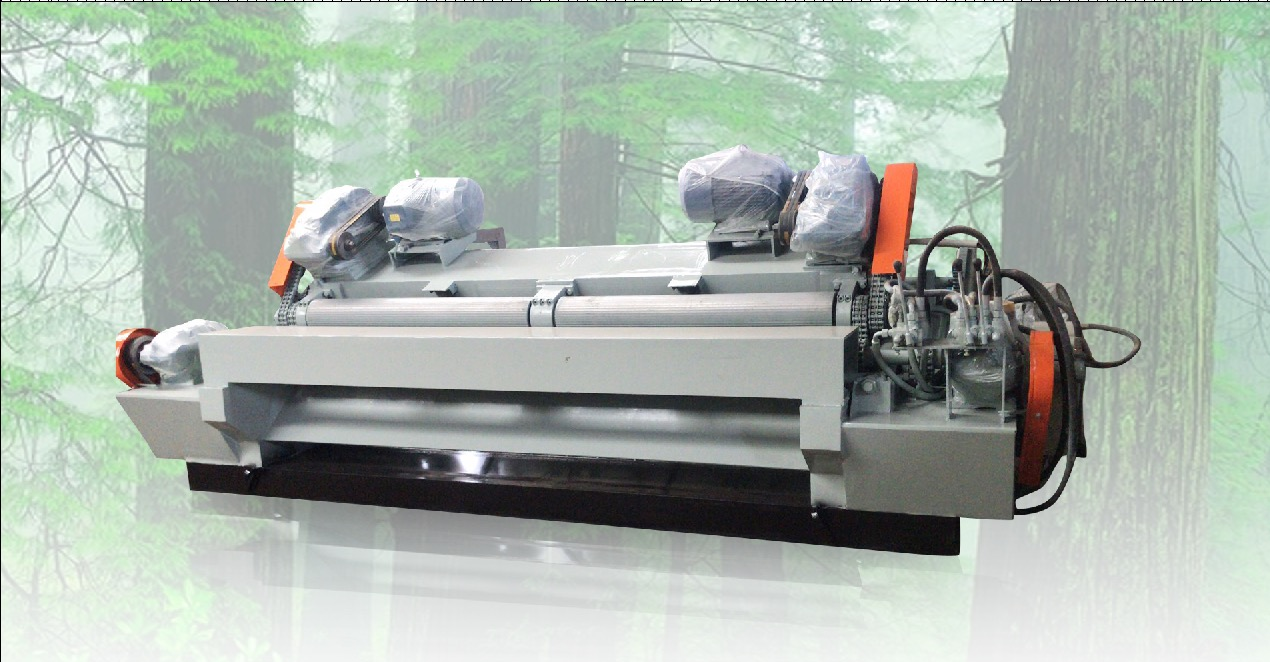
Descortezadora de madera de 2900 mm
Alimentación suave de troncos
Fuerte agarre de la rueda dentada
Control hidráulico preciso
Motores Zhongtai fiables
Eficiencia de 45 m/min
Ready to Build a Profitable Peeling Line?
Still not sure which technology fits your workshop? Contact our team with your log species, diameter range, and target capacity. We’ll provide a tailored recommendation with detailed specifications, line layout, and a competitive quotation.
We supply:
Heavy-duty spindle rotary lathes
High-recovery spindle-less peelers
Automatic log charging and centering systems
Complete plywood turnkey lines